“Budget Landscaping: Maximum Impact For $1,500 Or Less”
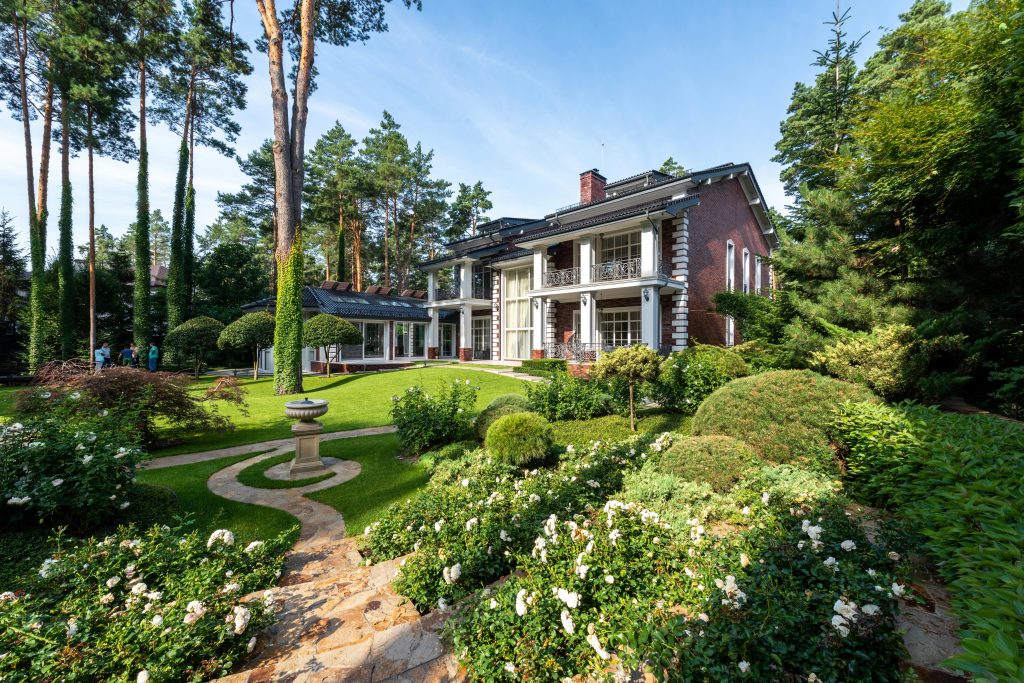
Budget Landscaping Essentials: Transform Your Yard for $1,500 or Less
If you’re thinking about revitalizing your yard without breaking the bank, you’re in the right place. Budget landscaping can have a significant impact on the look and feel of your outdoor space, and you can achieve stunning results for $1,500 or less. Let’s dive into smart strategies and ideas to transform your yard while being budget-conscious.
Planning Your Budget
Before you start any project, it’s vital to have a clear plan. Knowing your budget allows you to allocate funds wisely. Here’s a simple approach:
- Set a Clear Budget: Determine how much of your $1,500 budget you want to spend on materials, tools, and labor.
- List Priorities: Identify key areas in your yard that need work, such as a garden bed, pathway, or seating area.
- Research Costs: Do some preliminary research on the costs of materials and plants in your area.
Focus on Key Elements
When you’re short on budget, it’s essential to prioritize the features that will have the most significant impact. Here are some elements to consider:
- Plants and Mulch: Invest in a variety of perennials that can thrive in your climate. They provide long-lasting beauty and require minimal maintenance. Using mulch around plants can also enhance the overall look and help retain moisture.
- Pathways: Create attractive pathways using affordable materials like gravel, stepping stones, or repurposed bricks. Well-placed pathways can guide visitors and create a polished appearance.
- Outdoor Furniture: Often, a few pieces of furniture can create a whole new ambiance. Look for second-hand items or discounts to get the best bang for your buck.
- Lighting: Install solar-powered lights along pathways or flower beds. They are energy-efficient and provide a beautiful glow at night.
DIY Landscaping Ideas
One of the best ways to cut costs is to get hands-on. Here are some do-it-yourself ideas that can help save money:
- Building Raised Garden Beds: Use timber or bricks to create raised beds for gardens. This not only looks great but can make gardening easier.
- Painting Fences or Garden Structures: A fresh coat of paint can transform aging structures. Opt for weather-resistant paint to keep it looking new for years.
- Creating a Fire Pit: Gather stones or bricks to create a simple fire pit. This becomes a focal point for gatherings and enhances usability in your outdoor space.
- Vertical Gardens: Maximize space by creating vertical gardens using trellises or wall-mounted planters. This can be an eye-catching feature that adds greenery without taking up valuable ground space.
Choosing the Right Materials
Materials play a crucial role in the overall aesthetic of your landscape. Opting for lower-cost, high-impact materials can help stretch your budget:
- Recycled Materials: Look for salvaged bricks, stones, or wood that can add character to your landscape. They are often cheaper and environmentally friendly.
- Native Plants: Choose native plants that thrive in your area. They are generally more affordable, require less water, and support local wildlife.
- Bulk Purchases: When buying soil, mulch, or stones, buying in bulk often reduces the price per unit.
Get Creative with Decor
Decorative touches can transform your yard without significant expense. Consider these budget-friendly options:
- DIY Art: Create garden art from reclaimed materials. This adds a personal touch and can be a conversation starter.
- Plant Pots: Repurpose old containers or furniture as plant pots. This not only saves costs but also adds individuality to your garden.
- Seasonal Decorations: Adding seasonal elements can enhance the ambiance of your outdoor space throughout the year.
With these strategies and ideas, you can achieve a beautiful landscape that fits your budget. Even with $1,500 or less, your yard can become a stunning oasis where you’ll love spending time. Start planning, get creative, and enjoy the transformation process!
Creative Plant Choices That Maximize Impact on a Budget
When it comes to transforming your outdoor space, creativity with plants can make all the difference, especially when you’re operating on a budget. You don’t need to spend a fortune to create a stunning landscape. With some thoughtful plant choices, you can achieve maximum impact without breaking the bank. Here are some ideas for plants that look great together and are budget-friendly.
Consider Native Plants
Choosing native plants is a smart decision for budget landscaping. These plants thrive in your local environment, which means they typically require less water, fertilizer, and maintenance. They are also well-suited for local wildlife, attracting butterflies and bees. Here are a few popular native options:
- Black-eyed Susan: This vibrant yellow flower adds a pop of color and can bloom from summer until fall.
- Wild senna: Known for its tall, feathery foliage, it brings height and texture to your garden.
- Purple coneflower: These hardy flowers are not only beautiful but very resilient, requiring minimal care once established.
Perennials for Longevity
Perennials are an excellent choice for budget landscaping because they return year after year, saving you money in the long run. You can invest once and enjoy beautiful blooms season after season. Here are some excellent perennials that can maximize your garden’s appeal:
- Daylilies: These hardy plants offer a variety of colors and are drought-resistant.
- Hostas: Ideal for shaded areas, hostas bring lush foliage that can brighten up any dark corner.
- Catmint: With its aromatic leaves and lovely purple flowers, catmint is perfect for adding charm while attracting pollinators.
Use Annuals for Brightness
Annuals can furnish your landscape with bright and vibrant colors and are budget-friendly too. While they last only one season, their low cost and high impact make them a great option. Here is a list of some colorful annuals:
- Marigolds: Easy to grow, these cheerful flowers are excellent for repelling pests and come in various gold and orange hues.
- Petunias: These versatile flowers are available in almost every color and can be used in the ground or containers for a delightful burst of color.
- Snapdragons: With their unique appearance and variety of colors, snapdragons are perfect for vertical interest and borders.
Incorporate Edibles
Consider blending aesthetics with functionality by using edible plants. Not only do they look great, but they also provide fresh produce right from your backyard. Here are some edible plants that serve dual purposes:
- Herbs: Basil, rosemary, and thyme are not only fragrant but also enhance your culinary creations. They require little space and can be grown in pots.
- Vegetable plants: Cucumbers and tomatoes can climb trellises, creating visual interest while providing delicious yields.
- Fruit bushes: Blueberries and raspberries can be decorative and delightful, offering gorgeous foliage with tasty rewards.
Layering Plants for Depth
Layering is a great way to give your garden dimension and depth. By mixing plants of various heights, textures, and colors, you create an eye-catching display. Aim for taller plants in the back and smaller ones in the front. Consider the following combinations:
- Tall sunflowers in the back garden row, with mid-height zinnias in the middle, and low-growing sedum in the front.
- Hostas and ferns for shade areas, paired with vibrant annuals like impatiens for a beautiful contrast.
- A mix of ornamental grasses alongside colorful perennials for a beautiful transition from summer to fall.
With these creative plant choices, you can enhance your outdoor space while keeping budget landscaping in check. Remember, the key is to choose plants that are well-suited for your area, mix various types for visual interest, and plan for layers and textures. Keeping these strategies in mind, your garden can become a stunning retreat that maximizes impact while minimizing costs.
DIY Landscaping Projects That Fit Your Finances
If you’re looking to spruce up your outdoor space without breaking the bank, there are plenty of DIY landscaping projects that can fit into your budget. With just $1,500 or less, you can create a beautiful yard that enhances your home’s curb appeal and makes it a more inviting place. Enjoy your backyard or front yard more with these wallet-friendly ideas.
1. Create a Flower Bed
One of the simplest ways to elevate your landscape is by adding a flower bed. Start by choosing a spot that gets plenty of sunlight. Here’s how:
- Choose native plants to ensure they thrive in your environment.
- Purchase mulch to help retain moisture in the soil.
- Arrange plants in groups for visual impact, planting taller species in the back and shorter ones in the front.
A small flower bed can often be created for under $300, depending on the plants you select. You will enjoy watching them bloom throughout the seasons, giving your yard a vibrant touch.
2. Build a Pathway
A well-defined pathway can lead visitors to your home and create structure in your yard. Materials for constructing a simple gravel or stone pathway are often affordable. Here’s a quick guide:
- Decide on the path’s shape and size based on your yard.
- Clear the area and lay landscape fabric to prevent weeds.
- Add your chosen materials, like gravel, pavers, or stones.
This project can usually be completed for around $400, offering both functionality and aesthetic value to your garden.
3. Install a Simple Deck or Patio
Enjoying evenings outdoors is easy with a deck or patio. You can build a small platform with wooden pallets or concrete pavers:
- Measure the area to determine how much material you need.
- For a rustic look, use reclaimed wood or landscaping blocks.
- Consider including outdoor furniture to make the space inviting.
A budget of around $1,000 to $1,200 can give you a functional outdoor entertainment area that you will cherish for years.
4. Plant Shrubs for Year-Round Interest
Shrubs play a significant role in landscaping. They provide structure, privacy, and can be stunning when in bloom. Here’s how to approach this:
- Choose a mix of evergreen and flowering shrubs for color and variety.
- Plant in strategic locations around your yard for natural barriers or backdrops.
- Use mulch around the base to reduce maintenance and conserve moisture.
Investing about $400 to $800 on shrubs can fill empty spaces while offering long-term beauty, requiring little maintenance once established.
5. Add Outdoor Lighting
Enhancing your landscape doesn’t stop when the sun goes down. Outdoor lighting can make your garden magical at night. Here are some budget-friendly options:
- Solar-powered lights are an eco-friendly option that doesn’t require wiring.
- String lights can add a cozy atmosphere, especially around patios or around trees.
- Spotlights can highlight important landscape features or plants.
With around $200 to $400, you can effectively light up pathways, flower beds, or seating areas, creating a welcoming environment after dark.
6. Tackle Lawn Care
A lush green lawn can dramatically change the look of your yard. Prioritize your lawn care to ensure it looks its best:
- Start by aerating your lawn to improve soil health and grass growth.
- Invest in quality seed or sod, as this can elevate your yard’s appearance.
- Use fertilizers and weed control products suitable for your grass type.
With a budget of around $150 to $300, giving your lawn the care it needs can greatly add to your landscape’s charm.
With a little creativity, these DIY landscaping projects can transform your outdoor space without straining your finances. You can achieve maximum impact with careful planning and budgeting, and enjoy your dream yard for years to come.
Choosing the Right Features: Patios, Paths, and Focal Points
Creating an inviting outdoor space can be both fun and rewarding. When working with a limited budget, selecting the right features for your landscaping is crucial. Features like patios, paths, and focal points can elevate your garden’s aesthetic without breaking the bank. Let’s explore how you can strategically choose and implement these elements within your budget.
Enhancing Outdoor Spaces with Patios
Starting with patios, these functionality-rich areas can transform your backyard into a cozy retreat. When selecting a patio design, consider the following:
- Material Choice: Opt for pervious or concrete pavers that blend into the surroundings. Materials like gravel are both economical and easy to maintain.
- Size: A small, intimate patio can provide a relaxing space without consuming your entire budget. Think about your usage—do you need space for a table, or just a spot for a couple of chairs?
- DIY Options: If you’re handy, consider building your own patio. There are many online guides available to help with installation, which will save you labor costs.
By focusing on affordable materials and minimizing size, you can create a patio that meets your needs without exceeding your financial limits.
Paths That Lead The Way
Paths guide visitors through your garden while enhancing its visual appeal. pathways into your landscape can be done efficiently and economically through these strategies:
- Choose natural materials: Stone or reclaimed wood can be an eye-catching yet cost-effective option. They often require minimal modification to fit your garden style.
- Layout planning: Before laying down materials, plan your path’s layout on paper. A winding path can provide a more organic look, while straight lines offer a tidy appearance.
- Use gravel: A gravel path is inexpensive and allows rainwater to drain, reducing puddles.
A well-designed path encourages exploration and has the potential to showcase your favorite plants and décor elements along the way.
Creating Eye-Catching Focal Points
Focal points in your landscaping are crucial as they draw the eye and add layers of interest. Here are some effective ways to create focal points without overspending:
- Plants as focal points: Use colorful flowers or unique plants to serve as dramatic centerpieces. Consider plants like ornamental grasses or vibrant perennial flowers that thrive in your area.
- Art installations: If you have an artistic flair, consider crafting your own art pieces using recycled materials. A simple sculpture or whimsical garden art can add personality without a hefty price tag.
- Water features: Depending on your budget, a small fountain or pond can become an excellent focal point. Even a DIY container water feature can create soothing sounds and attract wildlife.
By strategically placing these focal points, you significantly enhance the appeal of your landscape while keeping expenses in check.
Bringing It All Together
Ultimately, the real magic happens when you combine these features creatively. Picture your garden with a lovely patio, a winding path, and a striking focal point that all echo the same design language. Here are a few tips to ensure harmony in your landscape:
- Color Coordination: Sync the colors of your patio materials and path with the plants around them to create a cohesive look.
- Balance Scale: Ensure your pathways and patio are proportionate to the size of your yard. A large patio can dwarf a small garden, while vice versa may feel cramped.
- Functional Flow: Think about how people will navigate through your space. Design your paths to lead naturally to your patio and focal points.
With a well-considered combination of patios, paths, and focal points, you can create a stunning outdoor space for $1,500 or less. It just takes a bit of planning and creativity. Your dream landscape is within reach!
Seasonal Tips for Maintaining Your Budget Landscaping Investment
Investing in budget landscaping is a smart choice for enhancing your home’s curb appeal without breaking the bank. However, maintaining that investment is crucial to ensure your outdoor space continues to look its best throughout the seasons. Here are some practical tips to help you keep your budget landscaping flourishing all year round.
Spring: Revitalizing Your Landscape
As winter melts away, it’s time to bring your landscaping back to life. Start by clearing away debris, such as leaves and twigs, to give your plants some room to breathe. Here’s a checklist for your spring maintenance:
- Inspect Plants: Look for any signs of disease or pests. Early detection can save your plants.
- Prune and Trim: Remove dead or damaged branches from shrubs and trees. This encourages healthy growth.
- Mulch: Apply a fresh layer of mulch around your plants. This helps retain moisture and suppress weeds.
- Fertilize: Use a balanced fertilizer to give your plants the nutrients they need for robust growth.
- Water Wisely: Early in the season, plants need extra water as they awaken from dormancy. Ensure you’re watering deeply, but not too frequently.
Summer: Keeping Things Green
Summer can be tough on your landscape, especially on a budget. Focus on keeping your plants hydrated and healthy through the hotter months:
- Watering: Water early in the morning or late in the evening to reduce evaporation. Aim for 1 inch of water weekly, depending on rainfall.
- Weed Control: Regularly check for weeds that can steal nutrients from your plants. Hand-pull them or use an organic weed killer.
- Deadheading: Remove spent flowers from perennials and annuals to encourage new blooms and maintain a tidy appearance.
- Pest Management: Monitor for common summer pests like aphids or spider mites. Use natural remedies or insecticidal soap as needed.
- Garden Decor: Summer is a great time to add color. Consider adding inexpensive decorations like garden flags or decorative stones to enhance your landscaping.
Fall: Preparing for Winter
The fall season is essential for your landscaping maintenance because it prepares your plants for the colder months ahead. Here’s how to effectively transition your landscape:
- Clean Up: Rake leaves and remove any dead plants to prevent pests from taking shelter.
- Planting: Fall is an excellent time to plant new trees and shrubs, as they establish roots before winter chill sets in.
- Fertilize: Apply a slow-release fertilizer to give your plants a boost as they prepare for dormancy.
- Protect Plants: Use mulch or protective coverings for any delicate plants to shield them from frost.
- Drain and Store: If you have any garden ornaments or water features, drain them to prevent freezing damage.
Winter: Maintenance and Planning
Even in winter, there are tasks you can handle to maintain your budget landscaping and prepare for spring:
- Review Your Landscaping: Take this time to assess what worked well and what could be improved. This helps you plan for the next year.
- Inspect Structures: Check fences, trellises, and other structures for damage and repair as necessary before spring.
- Winter Gardening: Consider container gardening indoors for herbs and small plants, which can enhance your home and inspire your garden plans for spring.
- Prepare Your Tools: Clean and sharpen your gardening tools so they are ready to use when spring arrives.
- Plan Your Budget: Use winter months to budget for any additional landscaping needs or projects you want to tackle next season.
By following these seasonal maintenance tips, you can protect and enhance your budget landscaping investment. Keeping your outdoor space well-cared for not only improves your home’s appearance but also provides a welcoming environment for family and guests. Enjoy your beautiful landscape all year long without overspending!
Conclusion
Transforming your yard into an inviting outdoor space doesn’t have to break the bank. With a budget of $1,500 or less, you can create a stunning landscape that reflects your personal style and enhances your home’s curb appeal. By focusing on budget landscaping essentials, you can prioritize your spending on impactful changes that will make a difference.
Opting for creative plant choices allows you to make the most of your budget while introducing captivating colors and textures. Selecting plants that thrive in your local climate and require low maintenance will save you both time and money in the long run. Furthermore, delving into DIY landscaping projects can be a rewarding way to cut costs and exercise your creativity. Whether it’s building a simple garden bed or crafting decorative features, these projects can greatly enhance your outdoor experience.
In addition to plants, the right features like patios, paths, and focal points can elevate your landscape’s design. These elements not only provide functionality but also create visual interest, making your yard a place where you love to spend time. Keeping versatility and balance in mind allows you to maximize impact without overspending.
Seasonal maintenance tips are crucial for protecting your investment. Regular care helps ensure your landscaping remains lush and attractive year-round. By integrating these strategies, you can enjoy the satisfaction of a beautiful outdoor space that reflects your hard work and smart budgeting. Embrace the journey of transforming your yard, and let your creativity flourish while staying within your financial limits. Your dream landscape is just a plan away!