
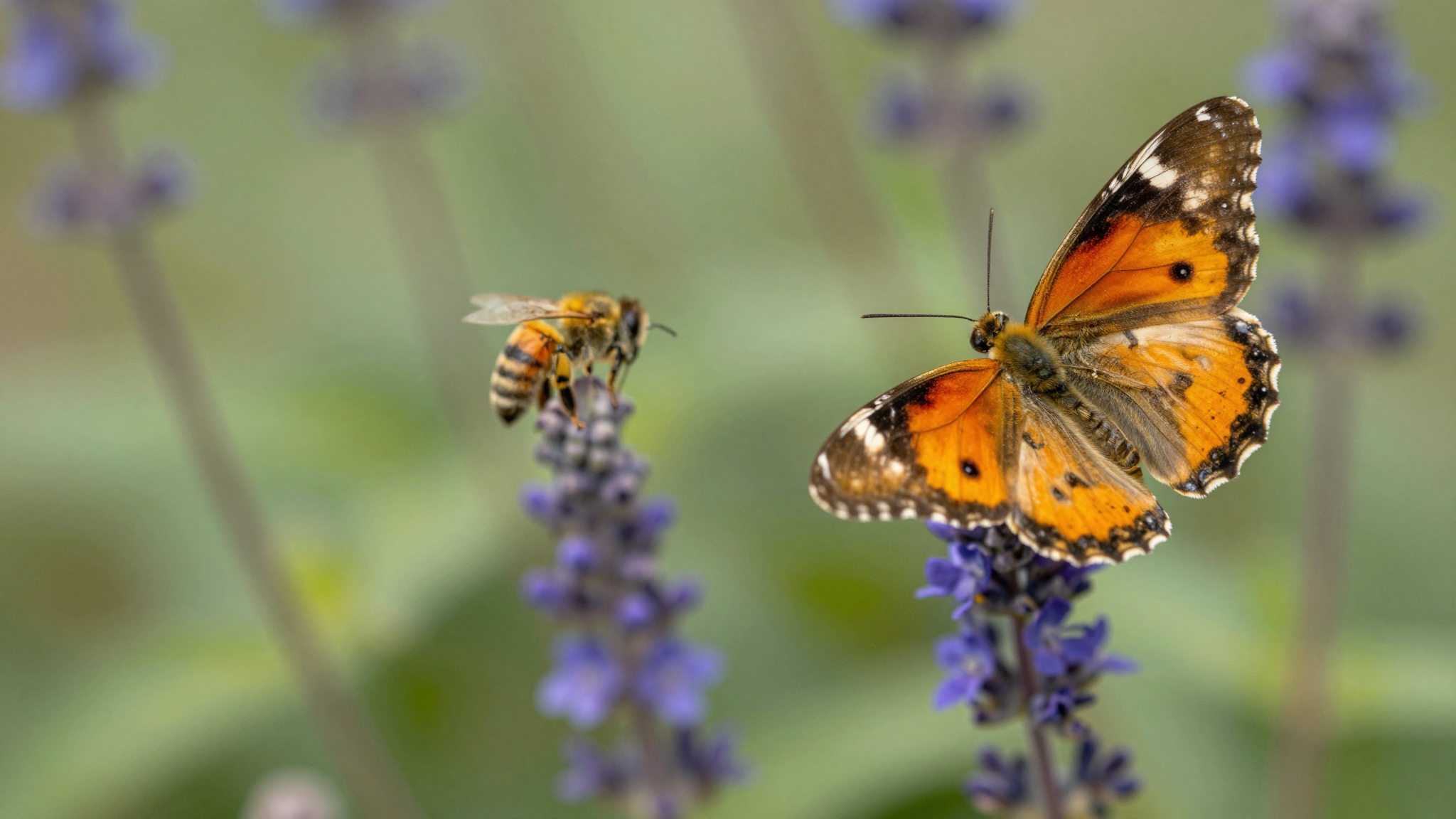
Designing a Pollinator-Friendly Garden for Bees and Butterflies
Creating a garden that attracts bees and butterflies is a rewarding way to support local ecosystems. A pollinator-friendly garden provides food, habitat, and shelter for these essential creatures. You can make a difference right in your backyard with some thoughtful planning and planting.
Choosing the Right Plants
When designing your garden, selecting the right plants is crucial. Pollinators are attracted to various flowers, and having a diverse selection will help draw them in. Here are some characteristics of great plants for your garden:
- Native Plants: Choose plants native to your area. They are adapted to the local climate and soil, making them easier to grow and more beneficial for local pollinators.
- Flower Varieties: Include plants with different flower shapes and colors. Bees can see blue and yellow, while butterflies are more attracted to bright flowers.
- Blooming Times: Plan for a continuous bloom throughout the growing season. This ensures that there will always be food available for pollinators.
Top Picks for Pollinator-Friendly Plants
Here are some fantastic flowers you might want to include:
- Milkweed: Essential for monarch butterflies, milkweed provides nectar and habitat.
- Lavender: Its fragrant flowers attract bees and provide a lovely scent.
- Bee Balm: This plant blooms in summer, helping to feed bees and hummingbirds.
- Echinacea (Coneflower): Known for its vibrant blooms, it attracts both bees and butterflies.
- Sky Blue Aster: A late-blooming flower, it gives pollinators food in the fall.
Creating a Welcoming Environment
Pollinators need more than just food; they also require a safe place to rest and reproduce. Here are a few things you can do to create a welcoming environment:
- Provide Shelter: Include native grasses and shrubs where bees can nest and hide from predators. Small brush piles can also serve as homes for some species.
- Water Sources: Install a shallow basin or birdbath filled with pebbles for bees to land on when drinking water.
- Avoid Pesticides: Many chemicals harm pollinators, so opt for organic gardening methods. If you must use pesticides, do so at times when pollinators are not active.
Designing Your Garden Layout
How you lay out your garden can significantly impact its attraction to pollinators. Keep these tips in mind:
- Group Plants: Plant flowers in clusters rather than spaced out. This makes it easier for pollinators to find food.
- Sun Exposure: Place plants in sunny spots since bees and butterflies thrive in the warmth. Most flowers need at least six hours of sunlight daily.
- Height Variation: Incorporate various plant heights. Taller plants can provide shelter for shorter ones and create an inviting space.
Engaging with Your Garden
A pollinator-friendly garden is not only beneficial but also a source of joy. Spend time in your garden observing the bees and butterflies. You can keep a garden journal to track which species visit and how your plants flourish. This engagement not only deepens your connection with nature but also enhances your understanding of these vital creatures.
Every garden can serve as a sanctuary for bees and butterflies. By designing a space that is both beautiful and functional, you support biodiversity and contribute to the health of the environment. With simple steps, you can create a vibrant garden that attracts these magnificent pollinators, ensuring they thrive while adding life and color to your outdoor space.
The Importance of Native Plants in Supporting Pollinator Populations
Pollinators such as bees and butterflies play a critical role in maintaining the health of our ecosystems and food supply. One of the best ways you can help these vital insects is by incorporating native plants into your garden. Native plants are those that naturally grow in your region, having adapted to local soil, climate, and wildlife. This makes them particularly beneficial for pollinators.
Native plants provide essential food sources for bees and butterflies through their nectar and pollen. They have co-evolved with local species, making them a perfect fit for your garden. Here are several reasons why native plants are essential for supporting pollinator populations:
- Food Sources: Native flowers produce nectar and pollen that attract pollinators. Many non-native plants may not have the right nutrients or could even be harmful, making native plants a safer and more nutrient-rich option.
- Habitat: Native plants provide shelter and breeding grounds for various pollinator species. The right plants can offer protection from harsh weather and predators.
- Adaptation to Local Conditions: Native plants thrive in local soil and weather conditions, which means they require less maintenance compared to non-native options. They are generally drought-resistant and can survive without excessive watering.
- Biodiversity Support: By planting native species, you encourage a richer ecosystem. This helps maintain a balance in local wildlife, as more plants support more animals, creating a thriving environment for pollinators.
Besides providing food and homes for pollinators, native plants also require less fertilizer and pesticides. This is significant because chemicals can be harmful not only to insects but also to the entire ecosystem. Using native plants creates a more sustainable garden that respects the local environment.
To create a pollinator-friendly garden, you can choose plants based on their blooming periods. Insects need a variety of flowers that bloom at different times of the year. This way, pollinators can find food throughout the seasons. When planning your garden, consider including:
- Early bloomers like crocus and pussy willow for spring.
- Mid-season flowers such as echinacea (coneflower) and monarda (bee balm) to attract bees and butterflies.
- Late bloomers like asters and goldenrods to sustain pollinators heading into fall.
Choosing the right colors, shapes, and sizes also matters. Bees are attracted to blue and yellow flowers, while butterflies favor vibrant red, purple, and orange hues. Additionally, you can select plants with a variety of shapes to suit the different feeding habits of various pollinator species. Long-tubed flowers are ideal for certain butterflies and hummingbirds, while open flowers work well for bees.
If space is limited, even a balcony or a small patio can support pollinators. Consider using pots to grow native plants. Even vertical gardens featuring native plant species can be beneficial. Every little bit helps, and you don’t need a large area to make an impact.
Creating a pollinator-friendly garden isn’t just a personal endeavor; it has a broader environmental impact. By fostering local populations of bees, butterflies, and other pollinators, you contribute to food security and the health of various plant species. As you beautify your space, you also support wildlife and promote ecological diversity.
Your efforts can inspire your neighbors and community as well. A mini pollinator paradise can motivate others to consider similar initiatives. Sharing resources and knowledge can create a ripple effect, resulting in more diverse and resilient landscapes. Engage with local gardening clubs or online forums to educate others on the significance of native plants.
Planting native plants is a straightforward yet impactful approach to supporting pollinator populations. The next time you consider enhancing your garden, think about the vital role these local plants play in sustaining bees and butterflies. Your actions can lead to a healthier environment for not just pollinators but also for all of us.
Tips for Creating Habitats that Attract and Sustain Pollinators
Pollinators like bees and butterflies are vital for our ecosystem, but their populations are declining due to habitat loss and pesticide use. One effective way to support these essential creatures is by creating pollinator-friendly gardens. By designing spaces that cater to their needs, you can make a positive impact while enjoying a beautiful yard. Here’s how to create habitats that attract and sustain pollinators.
Select Native Plants
Choose plants that are native to your region. Native plants are well-adapted to local climate conditions and soil types, making them easier to grow. They also provide the right types of flowers that pollinators prefer. Consider the following:
- Variety: Include a variety of flowers that bloom at different times throughout the growing season. This ensures that pollinators have a consistent source of food.
- Color and Shape: Pollinators are attracted to different colors and shapes. Bees often prefer blue and purple flowers, while butterflies are drawn to bright oranges and reds.
Create a Diverse Garden Structure
Diversity in your garden isn’t just about plants; it’s also about creating different structures and levels. Here’s how to achieve this:
- Layering: Use plants of varying heights. Taller plants can provide shade for smaller ones underneath. This creates a layered effect that enhances the garden’s appeal.
- Wild Areas: Consider leaving a portion of your garden a bit wild. Allowing native grasses and wildflowers to grow can provide shelter and food for pollinators.
Incorporate Water Sources
Like all living creatures, pollinators need water to survive. Adding a water source to your garden can make it even more inviting. You can:
- Install a Birdbath: A shallow birdbath with pebbles allows bees and butterflies to land safely while they drink.
- Water Features: Ponds or small fountains not only attract pollinators but also enhance the beauty of your garden.
Limit Pesticide Use
Chemicals in pesticides can be harmful to pollinators. If you must use them, opt for organic options and apply them cautiously. Consider these tips:
- Timing: Apply pesticides in the evening when pollinators are less active.
- Target Specific Pests: Use pesticides that specifically target the problem pest rather than broad-spectrum chemicals.
Provide Shelter
Pollinators also need safe spaces to rest and nest. You can make your garden a sanctuary by:
- Building Bee Hotels: These structures provide nesting spaces for solitary bees, which are important pollinators.
- Leaving Stems and Leaves: Don’t be too tidy! Leaving dead stems and leaf litter can provide shelter for overwintering pollinators.
Engage with the Community
Creating a pollinator-friendly garden can also be a community effort. Share your goals with neighbors and encourage them to create similar spaces. This collective effort can enhance the effectiveness of your garden. Consider:
- Hosting Workshops: Organize events to teach others about the importance of pollinators.
- Participating in Local Initiatives: Join community programs aimed at promoting pollinator health.
By following these tips, you can design a vibrant and pollinator-friendly garden that attracts bees and butterflies. Not only will you support the local ecosystem, but you’ll also create a beautiful, lively environment for yourself. Every small action can lead to significant changes, so start today and enjoy the benefits of your pollinator-friendly garden!
The Role of Pollinators in Eco-Friendly Gardening Practices
In today’s world, creating beautiful and sustainable gardens is more important than ever, and one key factor in achieving this is by understanding the essential role of pollinators. Bees, butterflies, and other pollinating insects significantly contribute to our ecosystems. They are responsible for pollinating about one-third of the food we consume and contribute to the health of our gardens. By fostering pollinator-friendly environments, you can support these important creatures while creating a thriving outdoor space.
Understanding Pollinators
Pollinators, including bees, butterflies, moths, and even some birds, are crucial for the reproduction of many flowering plants. They transfer pollen from one flower to another, enabling plants to produce fruits and seeds. Without these creatures, many plants would struggle to reproduce, leading to reduced biodiversity and a less vibrant ecosystem.
The Importance of Pollinator-Friendly Gardens
Creating a pollinator-friendly garden offers numerous benefits:
- Increased Biodiversity: A variety of flowers attracting different pollinators leads to a richer ecosystem.
- Better Crop Yields: Gardens that support pollinators often produce more fruits and vegetables.
- Natural Pest Control: Many pollinators also prey on harmful insects, enhancing your garden’s health.
- Educational Opportunities: Engaging with pollinators can serve as a learning experience for children and adults alike.
Designing Your Pollinator-Friendly Garden
Transitioning your garden into a haven for pollinators involves thoughtful planning. Here are some strategies to create a thriving environment:
- Choose Native Plants: Native plants are adapted to your local climate and soil conditions, making them the best choice for attracting local pollinators.
- Diverse Plant Selection: Incorporate a variety of flowering plants to provide nectar and pollen for different pollinator species. Aim for blooms across different seasons to ensure a continuous food source.
- Avoid Harmful Chemicals: Pesticides and herbicides can harm pollinators. Opt for organic gardening practices to protect these crucial insects.
- Provide Habitat: Install features like bee hotels or butterfly houses, and maintain areas with native grasses and shrubs where pollinators can nest or take shelter.
- Eliminate Lawn Monocultures: Replace portions of your lawn with wildflower meadows or mixed plantings. This not only attracts more pollinators but also reduces maintenance.
Creating Optimal Conditions
Pollinators thrive in gardens that provide various environmental conditions. Here are simple ways to enhance your garden:
- Provide Water Sources: Shallow dishes filled with pebbles and water or bird baths can serve as great drinking spots for pollinators.
- Sun-Kissed Spaces: Most pollinators enjoy sunny areas, so aim to grow plants in sunny spots with some protected shade for those hotter days.
- Limit Wind Exposure: Creating wind breaks using taller plants or fences can help make your garden more inviting for pollinators.
Events and Seasonal Changes
Seasonal changes in your garden can significantly enhance its pollinator-friendly aspects. Make sure to plant early-blooming flowers such as crocuses or snowdrops, which offer food for bees coming out of hibernation. Mid-season blooms like coneflowers and sunflowers attract a variety of insects, while late bloomers, such as asters and sedums, provide essential resources as summer turns to fall.
You can also participate in community events or join local gardening clubs focused on preserving pollinator populations. Engaging in these initiatives can expand your knowledge as well as that of your community about the importance of pollinators in sustainable gardening practices.
By nurturing a pollinator-friendly garden, you are not only contributing positively to the environment but also enhancing your own gardening experience. Witnessing bees and butterflies flit about your garden can create a sense of peace and connection with nature that is simply unmatched.
Start small, experiment, and enjoy the process. Every little action taken in support of these vital creatures helps build a healthier, more resilient environment for all living beings.
Seasonal Planting Strategies to Enhance Pollinator-Friendly Spaces
Creating an inviting space for pollinators like bees and butterflies is essential for maintaining a healthy garden and ecosystem. Seasonal planting strategies can significantly boost the number of these valuable creatures in your garden. By carefully planning what you plant throughout the seasons, you can provide a continuous source of food and habitat for these important pollinators.
Understanding Planting Seasons
To enhance your garden’s appeal to pollinators, consider the bloom time of different plants. Pollinators rely on nectar and pollen from flowers, so keeping a diverse range of plants blooming throughout the year is vital. Here’s a seasonal guide to help you choose the best plants:
Spring Planting
Spring is a crucial time for pollinators emerging after winter. Early bloomers provide the first source of food for hungry bees, butterflies, and other insects. Consider including:
- Crocus: These flowers bloom early and are among the first to offer nectar.
- Pasque Flower: A great choice for attracting bees with its bright blooms.
- Bluebell: These attractive flowers are not only beautiful but also beneficial for pollinators.
Plant these in clusters as they attract more pollinators when grouped together.
Summer Planting
As spring transitions into summer, it’s important to have plants that will bloom later. The heat brings many pollinators out in full force. Recommended flowers include:
- Sunflower: These iconic flowers provide tons of pollen and nectar.
- Lavender: Not only does it smell good, but it is also highly attractive to bees.
- Bee Balm: As its name suggests, this plant is a favorite among bees and butterflies alike.
In summer, ensure that you have a variety of colors and shapes to attract different types of pollinators.
Fall Planting
Even as the temperatures begin to cool in fall, pollinators still need food sources. Choose late-blooming plants to keep them fed:
- Asters: These vibrant flowers provide crucial late-season nectar.
- Goldenrod: Often overlooked, goldenrod is vital for many pollinators in fall.
- Fall Sedum: Flowers open when most summer blooms have faded, offering a food source during this time.
By planting these species, you ensure that pollinators can continue to thrive as the seasons change.
Layering Plants for Pollinator Habitat
Creating a healthy habitat for bees and butterflies means planting not just for looks, but for function. When designing your garden, think in layers:
- Ground Layer: Low-growing plants like ground covers provide shelter for pollinators.
- Mid-level Plants: Small bushes and shrubs can draw pollinators to different heights in your garden.
- Tall Plants: Sunflowers and other tall perennials can act as landmarks for wandering pollinators.
This plant layering captures a diverse range of pollinators by creating various microhabitats within your garden.
Companion Planting for Pollinators
Using companion planting strategies can enhance the health of your garden and further attract pollinators. For instance:
- Marigolds: Plant marigolds near vegetables to attract beneficial insects.
- Borage: This herb not only attracts pollinators but also improves the growth of nearby plants.
- Nasturtiums: These provide a rich source of flowers that attract pollinators and can help deter pests.
Companion plants can create a thriving ecosystem that encourages healthy growth while supporting pollinators.
Consider using organic gardening methods to avoid harmful chemicals that can harm beneficial insects. native plants into your gardening plan is another effective strategy, as they have evolved to work best with local pollinator species.
By strategically designing your garden throughout the seasons, you create a welcoming environment for bees and butterflies. You’ll not only be supporting local wildlife but also creating stunning spaces that provide color and life to your garden all year round.
Conclusion
Creating a pollinator-friendly garden not only benefits bees and butterflies but also fosters a deeper connection with nature. By designing your garden with native plants, you provide the essential food and habitat these pollinators need to thrive. Native plants have adapted to local climates and attract various species, significantly enhancing your garden’s biodiversity.
Habitats like water sources and shelter can further sustain and attract these vital creatures. Simple additions, such as bee hotels or butterfly-friendly bushes, can create a welcoming environment that encourages visitors throughout the seasons.
Understanding the role of pollinators is critical for eco-friendly gardening practices. They contribute to the health of our ecosystems, leading to better fruit and vegetable production in your garden. By planning with seasonal planting strategies, you can ensure that your space continuously supports pollinator activity. Choosing flowers that bloom at different times will provide a steady food source, thereby supporting these insects year-round.
Embracing these methods turns your garden into a haven for bees and butterflies, allowing you to play a part in preserving their populations. As you create beautiful and functional outdoor spaces, you contribute to a healthier planet while enjoying the enchanting sight of pollinators at work. Your pollinator-friendly garden is an investment in the environment, fostering both beauty and biodiversity for generations to come.
Leave a Reply