
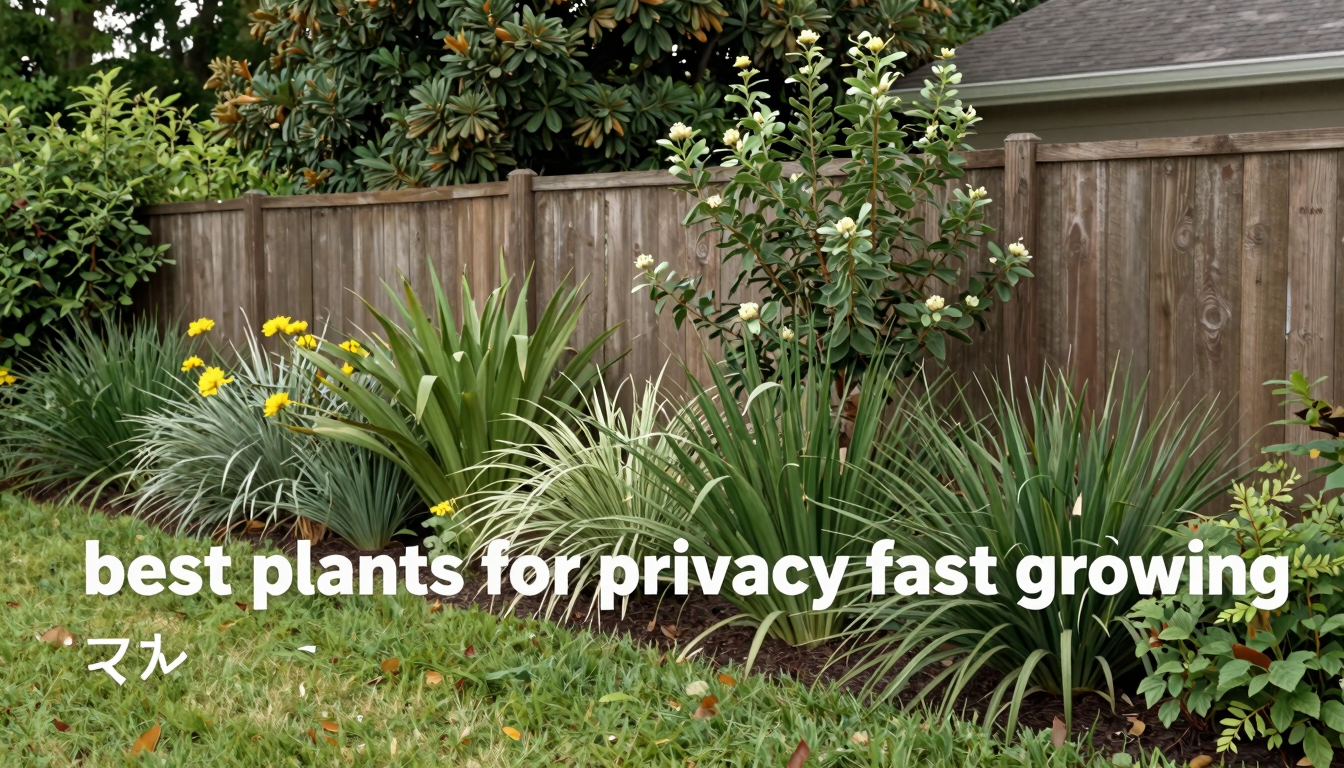
The Best Plants for Privacy Fence: Fast Growing Options for Homeowners
If you’re looking to enhance your yard’s privacy, choosing the right plants can make a big difference. Fast-growing plants are an excellent choice for creating a natural privacy fence. They can provide a lush, green barrier that not only blocks the view but also adds beauty to your landscape. Here are some of the best options for privacy plants that grow quickly.
1. Arborvitae
Arborvitae is a popular choice among homeowners for its fast growth and evergreen nature. These trees can reach heights of 10 to 20 feet in just a few years. They grow well in various soil types and need moderate water. Their dense foliage offers excellent privacy and acts as a sound barrier, making your outdoor space more serene.
2. Leyland Cypress
Another fantastic option is the Leyland Cypress. This tree can grow up to 3 to 4 feet per year! It can reach heights of 60 feet at full maturity. Its narrow, upright shape makes it ideal for smaller yards while still providing full privacy. This plant thrives in well-drained soil and prefers full sun.
3. Bamboo
Bamboo is a unique plant that grows incredibly fast. Certain species can grow up to 3 feet in just one day! It makes an excellent privacy screen due to its tall, slender stalks. Keep in mind that bamboo can spread, so it’s good to contain it with barriers or choose clumping varieties. These plants prefer well-drained soil and full sun exposure.
4. Giant Thuja
Giant Thuja, also known as Western Red Cedar, is a sought-after plant for privacy fencing. It has a rapid growth rate and can achieve heights of up to 50 feet. Its thick, lush foliage provides a robust visual screen. Additionally, Giant Thuja is tolerant of various soil conditions, making it versatile for different landscapes.
5. Privet Hedge
Privet hedges are classic privacy plants that can grow 1 to 2 feet each year. With regular trimming, they can be shaped into a dense, tall hedge, perfect for blocking unwanted views. They can tolerate both sun and shade, and they adapt well to various soil types. Regular maintenance is necessary, but the results are worth the effort for a beautiful, green wall.
6. Photinia
Photinia is a great option if you want a colorful addition to your privacy fence. This plant features striking red leaves, turning green as they mature. It can grow up to 3 feet per year, making it a fast-growing option. Photinia thrives in full sun and well-drained soil, and it can be easily trimmed to maintain your desired height for privacy.
7. Holly
Holly plants are excellent for creating a natural barrier. Varieties like the American Holly or the Blue Holly grow quickly, reaching heights of 15 to 30 feet. They offer beautiful foliage and berries, making them visually appealing in addition to their privacy benefits. Hollies prefer well-drained soil and can tolerate shady conditions, providing versatility in planting arrangements.
8. Leyland Cypress
For those who want both speed and beauty, consider the Leyland Cypress. This evergreen can grow rapidly to create a thick, green fence of privacy within just a few years. They prefer sunny spots and thrive in well-drained soil. With their elegant stature, they add an attractive element to your yard while keeping it safe from prying eyes.
When selecting plants for your privacy fence, consider your local climate, soil type, and the amount of sunlight your yard receives. It’s also essential to factor in how much maintenance you are willing to commit to. Fast-growing plants are an excellent way to establish privacy quickly, providing you with a green oasis in no time.
Using these fast-growing plants can significantly enhance your outdoor privacy and beautify your landscape. Whether you opt for evergreen trees, colorful shrubs, or elegant grasses, you’ll create a tranquil space that you can enjoy for years to come.
How to Choose the Right Plants for Your Privacy Needs
When it comes to enhancing your privacy at home, choosing the right plants is essential. Not only do they provide a natural barrier, but they also add beauty to your landscape. To help you make informed decisions, consider these important factors when selecting plants for your privacy needs.
Assess Your Space
Start by evaluating the area where you’ll plant your privacy screen. Think about the space’s size, sunlight availability, and soil quality. Here are a few points to keep in mind:
- Size: Measure the space you want to cover. This includes height and width. Knowing how much room you have will help you pick the right plants.
- Sunlight: Observe the amount of sunlight the area receives throughout the day. Some plants thrive in full sun, while others prefer shade.
- Soil Type: Consider the soil condition. Is it sandy, clay-heavy, or well-draining? Testing soil will help you choose plants that will flourish.
Choose Fast-Growing Plants
If you need quick privacy, look for fast-growing plant options. They will fill out your space more rapidly compared to slow-growing varieties. Here are some popular choices:
- Bamboo: This grass species can grow several feet in just one season. It’s perfect for creating a tall, dense barrier. Just ensure you choose a clumping variety to prevent invasiveness.
- Italian Cypress: Known for its narrow, column-like shape, these trees grow quickly and can reach impressive heights. They’re great for small spaces.
- Laurel: The cherry laurel is a fast-growing shrub that forms a thick hedge. It’s also evergreen, providing year-round privacy.
Consider Evergreens vs. Deciduous Plants
Decide whether you want an evergreen or a deciduous plant. This choice will impact your privacy throughout the year:
- Evergreens: These plants maintain their leaves all year. They provide consistent privacy and are ideal if you want a year-round screen. Examples include pine, cedar, and holly.
- Deciduous: These trees and shrubs lose their leaves in the fall. While they may give you privacy during the summer, they leave you exposed in winter. Consider trees like maple or birch for seasonal color change.
Maintenance Requirements
Think about how much time and effort you are willing to invest in maintaining your plants. Some plants require more upkeep than others:
- Low-Maintenance Options: If you want a screen that doesn’t demand constant attention, select hardy shrubs like boxwood or junipers.
- High-Maintenance Options: Varieties like flowering dogwoods may require regular pruning and care to keep their shape. Be ready to commit if you choose these types.
Plan for Seasonal Changes
Consider how your plants will look in different seasons. Some plants provide stunning blooms in spring, while others show off beautiful fall foliage. Think about creating a diverse planting scheme that offers aesthetics year-round. Mixing different types can enhance your landscape and maintain interest.
Incorporate Design Elements
When planning your privacy screen, think about the design aspects as well. You can mix plants of different heights and types for a more natural look. Here are some ideas:
- Add layers with taller plants at the back and shorter ones in front.
- Incorporate flowering plants for vibrant colors that attract pollinators.
- Consider decorative planters or trellises to enhance your design and take advantage of vertical space.
Choosing the right plants for your privacy needs does not have to be daunting. By assessing your space, selecting fast-growing options, and considering design elements, you can create an inviting and private outdoor area. Invest some time in planning, and you’ll enjoy the benefits of nature’s beauty while enjoying the seclusion you desire.
Maintenance Tips for Fast-Growing Privacy Plants
Fast-growing privacy plants can transform your outdoor space, providing both beauty and seclusion. However, to truly benefit from their rapid growth and lush appearance, it’s essential to care for them properly. Here are some maintenance tips to keep your fast-growing privacy plants healthy and thriving.
Watering Requirements
One of the most crucial aspects of plant care is watering. Fast-growing privacy plants typically need a consistent water supply, especially during their initial growth period. Aim to water your plants deeply once or twice a week, depending on the climate.
- Soil Check: Always check the soil moisture before watering. If the top two inches of soil feel dry, it’s time to water.
- Avoid Overwatering: While plants need water, too much can lead to root rot. Make sure your plants are in well-draining soil.
Fertilization Techniques
Fast-growing plants require plenty of nutrients to support their growth. Use a balanced, slow-release fertilizer to provide the necessary nutrients throughout the growing season.
- Spring Feeding: Fertilize in early spring when the plants begin to grow actively. This gives them the boost they need to flourish.
- Follow Instructions: Always follow the instructions on the fertilizer package to avoid over-fertilizing, which can damage your plants.
Trimming and Pruning
To maintain a neat appearance and encourage healthy growth, regular trimming is essential. Here are some tips for effective pruning:
- Time It Right: The best time to prune is usually in early spring before new growth begins. Cutting them back encourages denser growth.
- Remove Dead or Diseased Branches: Always check for any dead or diseased branches and prune them immediately to prevent health issues.
- Shape for Privacy: Trim the tops and sides to shape your plants as desired, promoting a fuller privacy screen.
Pest Control
Fast-growing privacy plants can attract pests. Regular inspection of your plants can help catch infestations early. Consider the following tips:
- Regular Inspections: Check the leaves, stems, and base for signs of pests like aphids, spider mites, or whiteflies.
- Organic Solutions: If you find pests, use organic insecticidal soap to treat them without harming beneficial insects.
- Encourage Beneficial Insects: Introduce friendly insects like ladybugs and lacewings that eat harmful pests.
Mulching Practices
Applying a layer of mulch around your fast-growing privacy plants can make a significant difference in their health. Here’s how to mulch effectively:
- Moisture Retention: Mulch helps retain moisture in the soil, reducing the need for frequent watering.
- Weed Suppression: It prevents weeds that compete for nutrients and water from growing around your plants.
- Use Organic Materials: Consider using organic mulch like wood chips or straw, which also provides nutrients as they decompose.
Seasonal Care
Understanding the seasonal requirements of your plants is essential for their health. Each season brings unique tasks:
- Spring: Fertilize, prune, and check for any signs of pests. This is when your plants need the most attention to jumpstart growth.
- Summer: Water consistently and maintain your mulch layer to keep roots cool and moist during hot months.
- Autumn: Before winter arrives, clean up fallen leaves, which may harbor diseases, and consider light pruning if needed.
- Winter: Protect your plants from harsh winter conditions with proper mulch and consider wrapping tender plants.
By following these maintenance tips, you can ensure that your fast-growing privacy plants will flourish, providing you with a beautiful and private outdoor sanctuary. Take these steps to enjoy vibrant, healthy greenery that enhances your home’s appeal.
The Impact of Plants on Outdoor Aesthetics and Privacy
Plants play a significant role in enhancing outdoor aesthetics and ensuring privacy for your home. Using the right greenery can transform any outdoor space, making it visually appealing while providing a natural screen from prying eyes. This article will explore the various ways plants contribute to the ambiance and privacy of your outdoor areas, helping you create a serene living environment.
The Role of Plants in Aesthetics
When considering outdoor aesthetics, plants are one of the most effective tools at your disposal. The colors, shapes, and textures of different plants can add deep visual interest to your landscape. Here are some key ways plants enhance outdoor beauty:
- Color Variety: Plants come in a plethora of colors, from vibrant flowers to lush green leaves. Evergreen trees provide a consistent backdrop, while seasonal bloomers introduce changing palettes, ensuring your outdoor space looks exciting year-round.
- Texture Contrast: Mixing plants of different textures contributes to a dynamic visual experience. Smooth-leaved plants can be paired with those boasting coarse or fuzzy foliage to create an engaging landscape.
- Layering Effects: Planting in layers—tall plants in the back, medium plants in the middle, and shorter ones in the front—creates depth and dimension in your garden, making it feel fuller and more inviting.
- Seasonal Changes: Different plants bring unique charms depending on the season. For instance, blooming perennials offer bright colors in spring and summer, while deciduous trees can display stunning fall foliage.
Plants as Natural Privacy Screens
Creating a private retreat in your outdoor space is essential for many homeowners. Plants serve as an excellent solution for achieving that privacy. Here are several benefits that plants provide in terms of privacy:
- Natural Barriers: Dense plants can act as natural walls, efficiently blocking the view from neighbors and passersby. This feature is especially vital for homes located close to one another.
- Sound Buffer: Thick hedges and larger plants can help absorb sounds from busy streets or noisy neighbors, creating a more tranquil environment. This added benefit makes it easier to relax and enjoy your outdoor space.
- Air Quality Improvement: While enhancing privacy, plants can also improve air quality by absorbing carbon dioxide and releasing oxygen. This contributes to a healthier outdoor experience.
- Wildlife Attraction: Strategically placed plants can attract birds and butterflies, helping to create a serene and lively atmosphere. Nature can be an excellent complement to privacy, wrapping your space in organic beauty.
Choosing the Right Plants
Selecting the appropriate plants for both aesthetics and privacy is crucial. Fast-growing plants are often preferred for quickly establishing a privacy barrier. Here are some top recommendations for the best plants for privacy.
- Bamboo: A popular choice for its quick growth, bamboo can reach significant heights in just a few months. Its slender canes and lush leaves create a beautiful screen.
- Arborvitae: This evergreen tree grows upwards of 3 to 5 feet per year. It is dense and offers year-round privacy while also adding a classic look to your landscape.
- Privet: Fast-growing and easy to maintain, privet hedges can provide a thick privacy screen. Their lush foliage makes them ideal for creating defined spaces within your yard.
- Green Giant Thuja: This tree can grow up to 3 feet annually, providing a beautiful and dense privacy fence. It tolerates various soil conditions and offers a rich green color year-round.
Maintenance Considerations
Once you have chosen the right plants, regular maintenance ensures they thrive and maintain their beauty. Here are some key tips:
- Watering: Newly planted vegetation will require consistent watering, especially during the first growing season.
- Trimming: Pruning plants keeps them healthy and encourages fuller growth. It also helps maintain the desired shape and height for privacy.
- Pest Control: Keep an eye on plants for any pests that could harm their growth. Organic solutions are often effective and safe for the environment.
Thoughtfully chosen plants into your outdoor space can significantly enhance both aesthetics and privacy. Whether you desire vibrant colors or a solid privacy barrier, nature’s offerings provide many options. With a little planning and care, you can create an inviting outdoor sanctuary that meets your needs.
Alternatives to Traditional Fencing: Exploring Plant-Based Solutions
Fencing provides privacy, security, and boundaries for our homes, but traditional fences may not be the only solution. Plant-based options can offer similar benefits while adding beauty and biodiversity to your landscape. By using the right plants, you can create natural barriers that enhance your outdoor space. Let’s explore some practical plant-based alternatives to traditional fencing.
Benefits of Plant-Based Fencing
Using plants for privacy fencing comes with an array of advantages:
- Aesthetic Appeal: Greenery adds charm and character to your property.
- Environmental Benefits: Plants improve air quality and support local wildlife.
- Cost-Effectiveness: Many plants are less expensive than installing traditional fencing materials.
- Fast Growth Options: Certain species can create a lush barrier in no time.
- Noise Reduction: Dense vegetation can help reduce outdoor noise.
Top Plant Choices for Privacy
When selecting plants for natural fencing, consider the growth rate, maintenance needs, and climate suitability. Here are some of the best options:
Bamboo
Bamboo is one of the fastest-growing plants available. Some varieties can reach heights of over 30 feet in just a few years. It creates a dense screen that is both beautiful and functional. Just ensure you choose clumping varieties to prevent aggressive spreading.
Evergreen Trees
Evergreens like Leyland Cypress and Thuja Green Giant are excellent choices for creating a year-round privacy screen. They grow quickly—often adding several feet a year—and provide lush green foliage even in winter. This makes them perfect for creating a stunning backdrop any time of the year.
Hedges
Hedges offer a classic and formal approach to plant-based fencing. Varieties like Boxwood, Privet, and Laurel can be trimmed to your desired height and shape. Many hedge plants grow fairly quickly, giving you a great privacy solution. Consider using mixed hedges for added texture and interest.
Clusters of Perennial Flowers
While not a traditional fence, clusters of tall perennial flowers create beautiful barriers between areas. Plants like Sunflowers and Hollyhocks can offer privacy while attracting butterflies and bees. This option may take longer to establish but can be delightful if you enjoy colorful blooms.
Additional Considerations
When opting for plant-based fencing, there are several factors to keep in mind:
- Space: Ensure you have enough room for the mature size of the plants you choose.
- Soil Type: Test your soil to determine which plants will thrive in your garden conditions.
- Watering Needs: Be aware of the irrigation requirements of your chosen plants, especially in drier climates.
- Maintenance: Some plants require more care than others—be realistic about your gardening abilities.
Plant-Based Alternatives for Urban Settings
In urban environments with limited space, smaller plants can also serve as effective privacy screens:
- Container Gardens: Use large pots filled with tall grasses or flowering plants to create a mobile and adaptable fence.
- Trellises: Grow climbing plants like Jasmine or Morning Glories on trellises for a vertical garden option.
- Outdoor Screens: Combine planters with select plants like Pothos or trailing vines to create a natural layer of privacy.
Choosing plant-based fencing is an eco-friendly and attractive alternative to traditional fences. From fast-growing evergreens to colorful perennial flowers, there are options suited to every preference and need. By using plants to create privacy, you not only enhance your living space but also contribute positively to the environment. Whether you have a sprawling backyard or a small balcony, integrating plants into your fencing strategy can create a lush and inviting atmosphere for you and your guests.
Conclusion
Creating a private oasis in your backyard can be achieved through carefully selected fast-growing plants. Understanding the best plants for a privacy fence is crucial for homeowners seeking effective solutions that blend functionality with visual appeal. By choosing the right plants, you can ensure they suit your specific privacy needs while enhancing the aesthetics of your outdoor space.
Regular maintenance is key to enjoying the full benefits of your fast-growing plants. Routine care will not only keep your plants healthy but will also maximize their growth potential and longevity. Learning about proper watering, pruning, and pest management will contribute significantly to their success.
Moreover, plants offer a softer, more natural alternative to traditional fencing solutions. They not only create a barrier for privacy but also add beauty and vibrancy to your yard. The lush greenery and colorful blooms can transform an ordinary outdoor area into a serene retreat.
As you consider your options, think about how plant-based privacy solutions can improve your lifestyle. Fast-growing plants not only provide immediate coverage but also contribute to environmental benefits, such as supporting local wildlife and improving air quality. Embracing these strategies will help you create a stunning and private sanctuary that reflects your personal style while staying in harmony with nature. With the right choices and care, your outdoor space can become a beautiful extension of your home, offering both comfort and concealment.
Leave a Reply