“5 Foundation Plants That Forgive Your Busy Schedule”
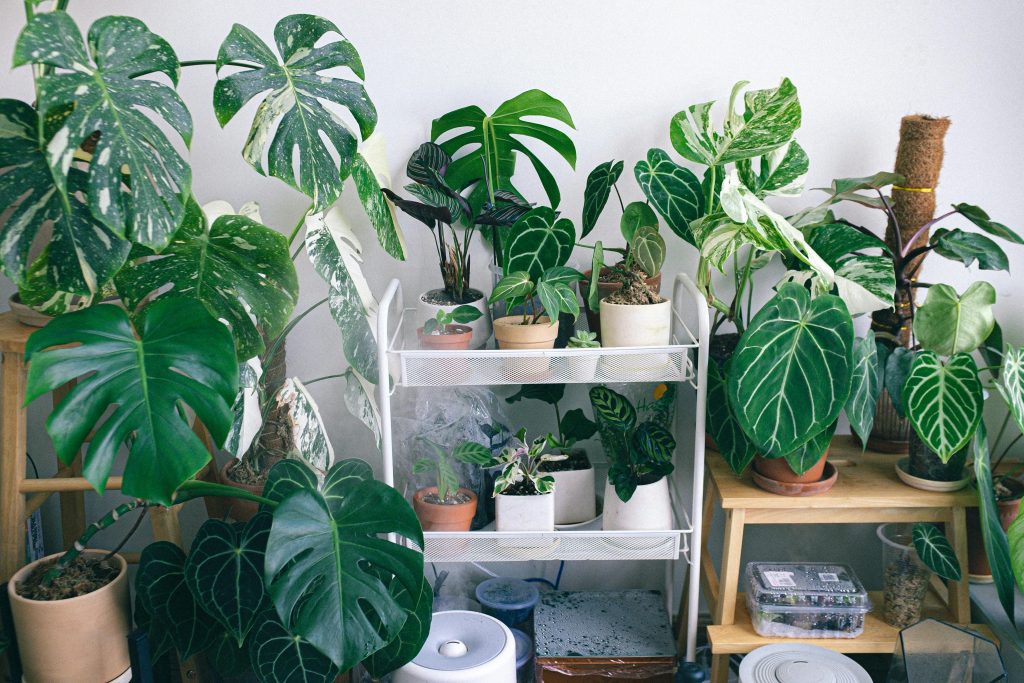
5 Foundation Plants That Forgive Your Busy Schedule
Gardening can be a rewarding hobby, but for those with busy schedules, it can feel overwhelming. If you’re looking to add lasting beauty to your landscape without spending every weekend maintaining it, some plants can work wonders. Here are five foundation plants that thrive on neglect and easily fit into your hectic lifestyle.
1. Lavender
This fragrant herb not only adds a pleasant scent to your garden but also requires very little care. Lavender thrives in well-drained soil and loves full sun. Once established, it can survive long dry spells. With occasional pruning, it can stay lush and vibrant. Plus, it attracts pollinators like bees, making it a perfect addition to your outdoor space.
2. Sedum
Known for its thick, fleshy leaves, sedum is a succulent that can withstand drought and poor soil. Its low-growing varieties are great as ground covers, while taller types can serve as striking focal points. Sedums require minimal watering and can thrive in a variety of sunlight conditions. Whether you have a sunny rock garden or shady borders, there’s a sedum for you.
3. Ornamental Grasses
Ornamental grasses bring movement and texture to your landscape with minimal upkeep. Varieties like pampas grass and blue fescue are hardy and resilient. They can tolerate drought, require little fertilization, and simply need to be cut back once a year. Their ability to sway in the wind adds an artistic flare to your gardens without demanding much of your time.
4. Daylilies
Daylilies are incredibly forgiving and can bloom continuously throughout the summer. They thrive in various soil types and are quite drought-resistant. Once planted, they’ll come back year after year without needing intensive care. These perennials are perfect for busy gardeners, as they can withstand neglect and still perform beautifully.
5. Boxwood Shrubs
Boxwood is a classic choice for a low-maintenance foundation plant. These hardy shrubs can maintain their shape with minimal trimming and are tolerant of different soil conditions. They provide year-round greenery and can be used for hedging, privacy screens, or as standalone features in your landscape. With just a little care, boxwoods can last for decades, making them an investment that pays off in the long run.
When choosing foundation plants, consider their growth requirements, your garden’s conditions, and your personal schedule. These five options not only enhance the beauty of your outdoor space but also allow you to enjoy your garden without overwhelming maintenance. Investing in plants that forgive your busy schedule gives you the freedom to enjoy the tranquility of nature, even with a packed agenda. Remember to provide basic care, such as watering during dry spells and clearing out debris, to keep your plants healthy.
Creating a low-maintenance garden doesn’t mean sacrificing aesthetics. Each of these foundation plants exemplifies how easy it can be to have a beautiful, thriving garden. By integrating them into your landscape, you can achieve a stunning look while keeping your weekend free for other pursuits. Make the most of your time and let nature work its magic with these forgiving plants.
The Benefits of Low-Maintenance Gardening
For many, the idea of tending to a garden conjures images of endless weeding, constant watering, and countless hours spent pruning. However, low-maintenance gardening presents a fantastic solution for those with a busy lifestyle. Imagine having a beautiful outdoor space that requires minimal upkeep while still offering the joys of nature. Below are some key benefits of incorporating low-maintenance gardening into your life.
Time-Saving
One of the top reasons people choose low-maintenance gardening is the significant time savings it offers. Traditional gardening can be a time-consuming endeavor, especially during peak growing seasons. In contrast, native plants and drought-tolerant species require less attention, allowing you to enjoy your outdoor space without dedicating your weekends to yard work. Whether you are juggling work, family commitments, or social events, low-maintenance gardens let you have a beautiful landscape without the burden of regular upkeep.
Cost-Effective
Investing in a low-maintenance garden can also help save money. These gardens typically require less water, reducing your utility bills. Additionally, by selecting plants that thrive in your climate and soil conditions, you minimize the need for expensive fertilizers and soil amendments. Over time, the reduced need for maintenance tools and services adds to your cost savings. Not only are you creating a beautiful environment, but you are also making a financially savvy decision.
Environmental Benefits
Low-maintenance gardening often emphasizes the use of native plants, which play a significant role in supporting local ecosystems. Native plants are adapted to the local climate and soil conditions, making them more resilient and less reliant on additional resources. By choosing these varieties, you create habitats for pollinators like bees and butterflies, supporting biodiversity in your community. Plus, these plants generally require less water and fewer chemicals, promoting a healthier environment.
Low Water Requirements
Drought-tolerant plants are a cornerstone of low-maintenance gardening. These hardy species have adapted to thrive with minimal water. By incorporating xeriscaping principles, you can design an eye-catching landscape that conserves water while still looking stunning. Grouping plants with similar watering needs allows you to create a more efficient garden, where you can reduce the frequency of irrigation and ensure that your plants remain healthy.
Less Weeding
Weeding can feel like a never-ending chore, but low-maintenance gardening significantly reduces this burden. Many low-maintenance plants grow densely, creating a natural weed barrier. Employing mulch around your plants helps to suppress weed growth while also retaining moisture in the soil. By choosing the right combination of ground covers and perennials, you can enjoy a lush garden without excessive weeding.
Year-Round Appeal
Low-maintenance gardens can be designed for year-round enjoyment. By selecting a variety of plants that bloom at different times, you can ensure that there is always something to admire. Evergreen plants, ornamental grasses, and late-blooming perennials provide seasonal interest and color. This strategic planning enriches your outdoor experience throughout the year, keeping your garden vibrant even during the dormant winter months.
Simplicity in Design
Another appealing aspect of low-maintenance gardening is its emphasis on simplicity. Minimalist designs often pack a powerful punch, showcasing the beauty of well-chosen plants without overwhelming the senses. Integrating elements such as gravel paths and rock gardens can further simplify your landscaping, creating a visually stunning space that doesn’t demand constant care. The clean lines of a simple design allow your garden to shine while minimizing the workload.
Inspiring Creativity
With low-maintenance gardening, you can unleash your creativity without feeling stressed out by upkeep tasks. You’ll have more time to experiment with new planting ideas or design concepts. Consider adding unique features such as a birdbath or ornamental stones that suit your taste. The freedom to explore helps turn your garden into a personal sanctuary, offering peace and relaxation even amidst your busy schedule.
Transitioning to low-maintenance gardening can transform your outdoor space into a beautiful, eco-friendly retreat. With time and cost savings, reduced environmental impact, and year-round visual interest, it’s an option worth considering. Let your garden flourish with minimal effort while you enjoy the essential benefits it offers.
How to Choose the Right Plants for Your Lifestyle
Choosing the right plants for your lifestyle can transform your environment and boost your well-being. With so many options available, it’s essential to consider both your living situation and how much time you can dedicate to plant care. Here are key factors to think about when selecting the best plants for you.
Assess Your Living Space
Your space plays a critical role in plant selection. Consider the following:
- Light Conditions: Identify the natural light in your home. Do you have bright, indirect sunlight or mostly shade?
- Available Space: Are you working with a small apartment or a larger home? Space determines whether you need small pots or large planters.
- Humidity Levels: Some plants thrive in high humidity, while others prefer drier conditions. Take note of your climate.
Time Commitment
How much time can you realistically dedicate to plant care? Here are three categories of plants based on care routines:
- Low-Maintenance Plants: If you have a busy schedule, choose plants like succulents and snake plants that need minimal watering and care.
- Moderate Care Plants: Consider plants such as pothos or ZZ plants that require occasional watering and light pruning.
- High-Maintenance Plants: If you enjoy gardening as a hobby, go for options like orchids or ferns that need consistent attention.
Consider Your Lifestyle
Your lifestyle choices also influence plant selection. Here’s how:
- Children and Pets: Opt for non-toxic plants if you have curious kids or pets. Spider plants and Boston ferns are great choices.
- Allergies: If you or anyone in your home has allergies, avoid plants that produce excessive pollen, like certain flowering plants.
- Travel Frequency: For frequent travelers, self-watering pots or hardy plants that can survive neglect are ideal.
Choose the Right Planters
The right planters are just as vital as the plants themselves. Factors to consider include:
- Drainage: Ensure pots have drainage holes to prevent root rot. Overwatering is a leading cause of plant failure.
- Material: Materials can impact water retention. Terracotta pots are porous and great for plants that need to dry out, while ceramic pots retain moisture.
- Size: Choose a pot size that accommodates the root system of your plant. Too small can stifle growth, while too large can lead to overwatering.
Research Plant Varieties
Not all plants are created equal, and some are better suited for indoor environments than others. Do some research to discover plants that match your chosen conditions. Popular indoor plants include:
- Peace Lily: Ideal for low light and requires watering only when the soil is dry.
- Spider Plant: A resilient choice that thrives under various conditions and is great for beginners.
- Succulents: Perfect for sunny spots and need little water, making them hassle-free!
Stay Flexible
Your life can change, and so can your preferences. Stay open to experimenting with different plants as your lifestyle evolves. You might find joy in nurturing a variety that’s more demanding or less suited to your initial assessment.
The best plants for you depend on your living conditions, how much time you can devote to care, and your lifestyle. By carefully considering these factors, you can create a beautiful plant collection that complements your home and enriches your life.
Seasonal Care Tips for Resilient Plants
Caring for resilient plants is essential, especially as seasons change. These plants have the ability to thrive in various conditions, making them a great choice for busy gardeners. By understanding how to adapt your care routine to seasonal shifts, you can ensure that your plants remain healthy and vibrant. Here are some seasonal care tips to help you nurture your resilient plants effectively.
Spring Care
As the seasons transition from winter to spring, it’s time for new growth. Here’s how to prepare your resilient plants:
- Pruning: Begin by pruning any dead or damaged branches. This allows your plants to focus their energy on new growth.
- Fertilizing: Apply a balanced fertilizer to provide necessary nutrients. Look for slow-release options to ensure continued feeding throughout the growing season.
- Watering: Ensure your plants receive adequate water. Early spring may be drier than you think, so keep an eye on soil moisture.
- Mulching: Apply a layer of mulch to suppress weeds and retain soil moisture. Organic mulch can improve soil quality over time.
Summer Care
Summer brings warmth and longer days. Your resilient plants will need special attention during this period:
- Water Deeply: Instead of frequent shallow watering, water your plants deeply once or twice a week. This encourages deeper root growth.
- Shade Protection: For sensitive plants, consider providing some shade during the hottest part of the day. You can use shade cloth or arrange taller plants to shadow the smaller ones.
- Pest Management: Keep an eye out for pests. Early detection can prevent infestations. Use natural pest control methods whenever possible.
- Deadheading: Regularly remove spent flowers to encourage new blooms and maintain plant aesthetics.
Fall Care
As temperatures begin to drop, it’s crucial to prepare your plants for winter. Fall care helps ensure your resilient plants survive the colder months:
- Reduce Watering: As growth slows, reduce watering. Over-watering in the fall can lead to root rot.
- Clean-Up: Rake up fallen leaves and debris. This prevents diseases from taking hold in your garden.
- Fertilization: Apply a fall fertilizer that is higher in phosphorus to promote root growth and winter hardiness.
- Protecting Roots: Use mulch to protect root systems from frost. It acts as an insulating layer that will keep the soil temperature more stable.
Winter Care
Winter can be harsh for even the most resilient plants. Here’s how to give them extra care during the colder months:
- Minimize Disturbance: Avoid working in the garden when the soil is frozen or extremely wet to prevent damage to plant roots.
- Insulate Soil: Consider using burlap or frost cloth to protect particularly vulnerable plants from extreme cold.
- Check for Pests: Pests can still be a problem in winter. Regularly inspect your plants and the surrounding area.
- Limit Fertilization: Most plants go dormant in winter, so avoid fertilizing unless absolutely necessary.
By following these seasonal care tips, you can ensure your resilient plants thrive throughout the year. With a bit of attention and care, these plants can flourish despite your busy schedule.
Elevating Your Home’s Curb Appeal with Minimal Effort
When it comes to enhancing your home’s exterior, you don’t need to invest a lot of time or money. There are simple, quick ways to boost your home’s curb appeal that make a striking first impression. Whether you’re planning on selling your home or simply want to make your outdoor space more inviting, consider these effective, low-effort strategies.
1. Digital Clean-Up
Before you start planting flowers or painting the front door, take a good look around your property. Clear away any clutter that may be hiding your home’s charm. This includes:
- Removing fallen leaves and debris from the yard.
- Cleaning up flower beds and trimming overgrown plants.
- Hosing down sidewalks, patios, and driveways to remove dirt and grime.
A tidy outdoor space can instantly uplift your home’s appearance without costing a dime.
2. Update Your House Numbers
House numbers often go unnoticed, but they can create a nice focal point if you upgrade them. Consider these options:
- Choose numbers that reflect your home’s style, whether modern, classic, or rustic.
- Make sure they’re large enough to be read from the street.
- Opt for a contrasting color against your home’s exterior for better visibility.
Adding a fresh, bold touch with upgraded house numbers is a small investment that can make a big difference.
3. Freshen Up the Front Door
Your front door is the centerpiece of your home’s exterior. A fresh coat of paint can do wonders. Choose a color that complements the rest of your home’s palette. Here are some tips:
- Bright colors like red or yellow can create a welcoming vibe.
- Neutral colors like navy blue or dark gray offer a sophisticated look.
- Consider adding new hardware, like a stylish doorknob or elegant knocker, to enhance the door’s appeal.
Your door can immediately alter the character of your home and create a lasting impression on guests.
4. Add Potted Plants
Potted plants are a wonderful way to add color and life to your entryway. They require minimal upkeep and come in various sizes and styles. Consider these plants:
- Petunias: These cheerful blooms flourish in sunny spots.
- Succulents: Perfect for low-maintenance gardens; they thrive in drought.
- Ferns: An excellent choice for shaded areas; they add a lush feel.
Arranging potted plants on either side of your front door or along walkways creates an inviting atmosphere.
5. Lighting Matters
Good lighting not only enhances safety but also highlights your home’s features. Here are easy ways to upgrade your outdoor lighting:
- Invest in energy-efficient LED fixtures that can illuminate pathways or highlight landscape elements.
- Install motion-activated lights for added security and convenience.
- Use solar-powered lights along walkways to save on electricity costs.
Bright and well-placed lighting can transform your home’s exterior at night, creating a welcoming ambiance.
With these straightforward strategies, you can easily elevate your home’s curb appeal without heavy lifting or extensive renovations. Whether you’re preparing for prospective buyers or simply wishing to impress guests, a little effort goes a long way toward making your home stand out on the block. Small changes lead to significant improvements, creating an inviting tone right from the start.
So, roll up your sleeves and get started on these quick fixes. Your home will reflect warmth and care, ultimately enhancing its value and charm.
Conclusion
Embracing a busy lifestyle doesn’t mean you have to sacrifice the beauty of your home’s exterior. By selecting the right foundation plants, you can enhance your curb appeal while enjoying the benefits of low-maintenance gardening. The five plants discussed earlier—each resilient and forgiving—allow you to express your style without demanding constant attention.
Choosing plants that align with your lifestyle is essential for creating a garden that thrives even when you can’t be there to nurture it. Think about your local climate, sunlight, and water availability to ensure that your choices flourish with minimal effort. Seasonal care tips, such as appropriate pruning or watering schedules, can help keep these plants looking their best, further simplifying upkeep.
Ultimately, investing in hardy foundation plants and learning their requirements leads to a vibrant landscape that enhances your home’s overall aesthetics. With minimal time and effort, you can enjoy a sprawling garden that reflects your personality and welcomes guests with open arms.
So, whether you’re updating your home for personal enjoyment or increasing its market value, incorporating these forgiving plants will allow you to focus on what truly matters—your busy life—while still relishing the tranquility and charm a beautiful garden can bring. Transform your outdoor space into a low-maintenance oasis, and rest easy knowing your garden will continue to thrive without demanding all your time and attention.