Native Plant Landscaping
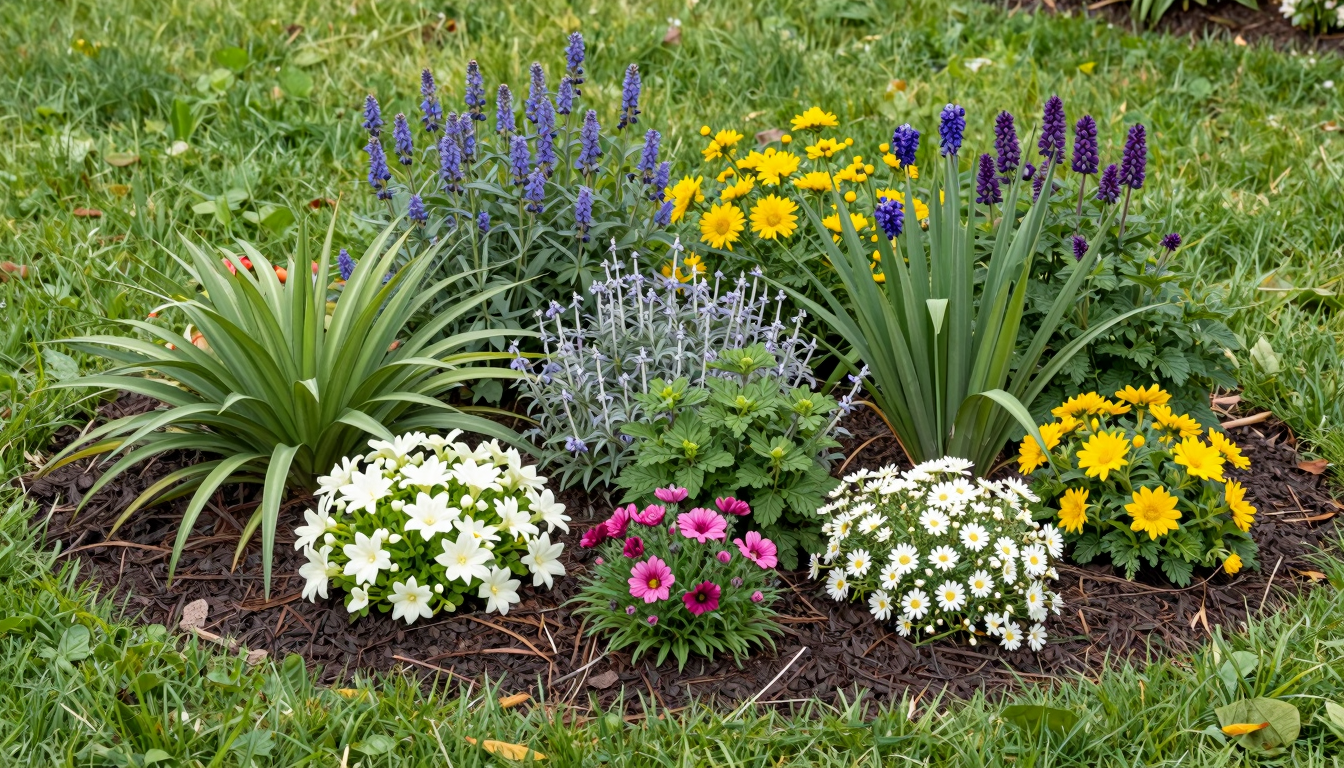
The Benefits of Native Plant Landscaping for Ecological Balance
Landscaping with native plants offers numerous advantages for ecological balance. These plants, which grow naturally in their local environment, play a vital role in maintaining the health of ecosystems. When you choose native plant landscaping, you are not just beautifying your property; you’re also helping the environment in many meaningful ways. Let’s explore the benefits of embracing native plants in your landscaping efforts.
Promotes Biodiversity
Native plants provide a habitat for a variety of wildlife, including birds, insects, and small mammals. By creating natural environments, you help sustain local fauna. This biodiversity is crucial because it strengthens ecosystems and makes them more resilient to changes.
Reduces Water Use
Native plants are well-adapted to local climate conditions, which means they usually require less water than non-native species. This is particularly beneficial during dry spells. By opting for native plant landscaping, you can reduce your water bills while conserving a vital resource. Consider these strategies:
- Choose drought-resistant varieties.
- Group plants with similar water needs together.
- Implement rain gardens to capture and use rainwater efficiently.
Decreases Maintenance Needs
Another advantage of native plants is that they typically require less maintenance. Since they are adapted to their natural environment, they are more resistant to local pests and diseases. As a result, you’ll spend less time and money on fertilizers, pesticides, and constant mowing.
Enhances Soil Health
Native plants contribute to soil health in several ways. Their deep roots help prevent erosion and improve soil structure. Additionally, as these plants grow and die back, they add organic matter to the soil. This process enriches the earth, making it a better growing medium for future plants.
Supports Pollinators
Native landscaping plays a crucial role in supporting pollinators such as bees, butterflies, and hummingbirds. Many native plants produce flowers that are particularly suited to local pollinators. By planting these species, you provide essential food sources that keep these populations thriving. For example, planting milkweed can support monarch butterfly populations, which have been declining due to habitat loss.
Improves Air Quality
Planting native species can significantly improve air quality in your area. Plants absorb carbon dioxide and release oxygen, contributing to cleaner air. Native plants often have deep root systems that stabilize the soil and prevent erosion, promoting overall environmental health.
Cost-Effective Solution
While it may seem that choosing native plants is an upfront investment, the long-term savings and benefits cannot be overstated. Reduced maintenance costs, lower water bills, and support for local wildlife all contribute to a more cost-effective landscaping approach. By investing in native plants, you’re not just investing in your property; you’re making a positive impact on your community’s environment.
Increases Aesthetic Appeal
Native plants can be just as beautiful as exotic ones. They offer a variety of colors, shapes, and textures that can enhance your property’s aesthetic appeal. The natural beauty of a native plant landscape can create a unique garden that reflects local culture and heritage. Here are a few ideas to enhance visual interest:
- Use a mix of flowering, evergreen, and ornamental grasses.
- Add pathways and seating areas to create inviting spaces.
- Incorporate native ground cover plants to reduce weeds and enhance the garden’s look.
Native plant landscaping is a powerful way to foster ecological balance in your community. By selecting plants that are native to your region, you’re actively contributing to biodiversity, reducing maintenance, conserving water, and improving the overall health of your local environment. Whether you have a small garden or a large estate, there’s no better time to start your native plant journey. Your garden can be a beautiful haven for you and a thriving ecosystem for many local species.
How to Choose the Right Native Plants for Your Region
Choosing the right native plants for your region is crucial in creating a vibrant and sustainable landscape. Native plants are not only beautiful, but they also support local wildlife, conserve water, and require less maintenance. Here are several steps to help you select the best native plants for your outdoor space.
Understand Your Local Climate
The climate in your region plays a significant role in plant selection. Start by researching the climate zones where you live. You can find this information through local gardening clubs or extension offices. Understanding your local climate will help you identify which plants will thrive in terms of temperature, rainfall, and seasonal changes. Here are a few factors to consider:
- Temperature: Look for plants that can handle both your summer heat and winter cold.
- Precipitation: Select plants that match your region’s rainfall patterns. Some areas may have dry spells, while others might be prone to excessive moisture.
- Sunlight: Assess the amount of sunlight your garden receives daily to choose plants that will flourish in those conditions.
Know Your Soil Type
Soil composition is equally vital. Different plants have distinct soil preferences. You can perform a simple soil test at home or consult local soil testing services. This will help you determine pH and nutrient levels. Here are common soil types:
- Sandy Soil: Drains well but may lack nutrients. Look for drought-tolerant species.
- Clay Soil: Retains water, which can suffocate roots. Seek plants that thrive in wet conditions.
- Silty Soil: Rich in nutrients and well-drained. Most native plants will do well here.
- Loamy Soil: A mix of sand, clay, and silt, offering the best conditions for a variety of native plants.
Research Native Plant Species
Once you have an understanding of your climate and soil, it’s time to dive into researching local native plant species. Many local horticultural societies provide lists of native plants that grow well in your area. Additionally, you may want to visit native plant nurseries where experts can provide valuable insights. Here are some tips to get you started:
- Make a List: Write down plants you find appealing along with their specific needs.
- Consult Local Experts: Talk to local gardeners or extension offices for recommendations.
- Use Online Resources: Websites like the Lady Bird Johnson Wildflower Center provide extensive databases of native plants.
Consider Plant Functionality
Think about what you want your native plants to achieve in your landscape. Do you want to attract pollinators, create privacy, or reduce erosion? The functionality can guide your choices:
- Pollinator Gardens: Choose flowering plants that attract bees, butterflies, and other beneficial insects.
- Ground Cover: Select low-growing native plants to reduce soil erosion and minimize weeds.
- Vertical Space: Incorporate native shrubs or vines if you have limited ground space but want height in your garden.
Group Plants Wisely
When designing your landscape, consider grouping plants with similar needs. This not only promotes healthy growth but also creates a cohesive look. For example:
- Pair drought-tolerant plants in sunny areas.
- Group moisture-loving species in shaded spots.
- Mix flowering plants with evergreens for year-round interest.
Maintenance Considerations
While native plants are generally lower maintenance, some still require periodic care. Identify plants that fit your lifestyle and maintenance preferences. It’s a good idea to research how often these plants need pruning, watering, or fertilizing. This will ensure your native landscape continues to thrive.
By following these guidelines, you can create a sustainable and beautiful native plant landscape that benefits your region’s ecosystem. Your choices will not only enhance your outdoor space but also lead to a thriving environment for local wildlife.
Designing a Beautiful Native Plant Landscape: Tips and Tricks
Creating a vibrant native plant landscape is a wonderful way to enhance your outdoor space. Native plants are adapted to your local environment, making them easier to care for and more resilient to local pests and diseases. If you’re looking to design a beautiful native plant landscape, here are some effective tips and tricks to get you started.
Understand Your Local Ecosystem
Before you start planting, take some time to understand the specific plants that thrive in your area. Research local ecosystems to identify native species that flourish in your conditions. Local nurseries and botanical gardens are great resources for gathering this information.
Assess Your Landscape
Every garden has its own unique features. Take stock of your space by evaluating factors such as:
- Sunlight: Determine how much sun or shade your garden receives throughout the day.
- Soil: Test the soil’s pH and texture to understand its composition. This will help you choose suitable plants.
- Water: Assess your landscape’s drainage. Some plants need well-drained soil, while others prefer moist conditions.
Choose the Right Native Plants
Selecting the right plants is key to a successful native plant landscape. Here’s a list of commonly used native plants you might consider:
- Echinacea purpurea (Purple Coneflower): This hardy perennial attracts pollinators and offers beautiful blooms.
- Asclepias tuberosa (Butterfly Weed): A favorite among butterflies, it adds vibrant orange flowers to your landscape.
- Rudbeckia hirta (Black-eyed Susan): Known for its bright yellow petals, this plant is hardy and easy to grow.
- Yucca filamentosa (Adam’s Needle): A drought-tolerant plant that adds unique structure to your garden.
Plan for Seasonal Interest
A well-designed native plant landscape should offer something visually appealing throughout the year. Here’s how to create seasonal interest:
- Spring: Choose early bloomers like trilliums or wildflowers.
- Summer: Incorporate sunflowers and coreopsis for vibrant colors.
- Fall: Late bloomers like asters can help maintain interest as other plants fade.
- Winter: Include evergreens or seed heads from perennials for structure and texture.
Create Layers
To add depth to your landscape, design in layers. This creates visual interest and also mimics natural systems. Here’s a simple way to achieve this:
- Place taller plants, like sunflowers or tall ferns, at the back or center of your garden.
- Medium-height plants, such as wild geraniums, can sit in the middle.
- Low-growing plants, like creeping thyme or sedum, should line the front edges.
Practice Sustainable Gardening
Native plant landscaping not only enhances the beauty of your home but also supports local wildlife. Here are some sustainable practices to incorporate:
- Minimize water usage by using xeriscaping techniques.
- Attract pollinators by providing food sources and shelter.
- Limit the use of chemical fertilizers and pesticides to maintain a balanced ecosystem.
Maintain Your Landscape
After you plant your native garden, maintenance is essential to keep it thriving. Regularly checking for weeds, ensuring proper watering, and trimming spent flowers will promote healthy growth. As native plants adapt to their environments, they often require less maintenance over time, making this a sustainable choice for homeowners.
Designing a beautiful native plant landscape is not only beneficial for the environment but also offers you a stunning outdoor space. With just a little planning and care, you can create a garden that delights you and supports local wildlife year-round. Get started and enjoy the beauty and benefits of native plants today!
Maintenance Tips for Thriving Native Plant Gardens
Creating a native plant garden is a rewarding way to support local ecosystems and enjoy beautiful landscapes. However, maintaining these gardens requires some attention to detail. Here are some practical tips for keeping your native plant garden thriving.
Know Your Plants
Start by familiarizing yourself with the native plants in your garden. Each species has unique requirements regarding sunlight, soil, and water. Consider these points:
- Light Requirements: Identify whether your plants prefer full sun, partial shade, or full shade.
- Soil Preferences: Understand the type of soil each plant thrives in, whether sandy, loamy, or clay.
- Water Needs: Determine how much water each plant species needs, as some may be more drought-tolerant than others.
Water Wisely
Watering is crucial, especially in the establishment phase of your garden. Here’s how to manage water effectively:
- Deep Watering: Water deeply and less frequently, encouraging roots to grow deeper into the soil.
- Mulching: Apply a layer of organic mulch to retain soil moisture and reduce weed growth.
- Observe Weather Patterns: Adjust your watering schedule based on rainfall. Native plants are often adapted to local weather conditions.
Weed Control
Weeds can compete with your native plants for nutrients and water. Here are strategies for effective weed management:
- Hand Pulling: Regularly inspect your garden and hand-pull weeds before they go to seed.
- Mulching: Utilize mulch as mentioned earlier; it can suppress weed growth significantly.
- Avoid Chemical Herbicides: Stick to organic methods to protect your native plants and surrounding wildlife.
Pest Management
Most native plants have developed resistance to local pests, but occasional infestations can occur. Use these tips to manage pests naturally:
- Encourage Beneficial Insects: Create a habitat for ladybugs and lacewings, which can help keep pest populations in check.
- Regular Checks: Frequently inspect plants for signs of damage or pests. Early detection is key.
- Natural Deterrents: Use homemade sprays made from soap and water or introduce companion planting techniques.
Fertilization Considerations
Native plants generally do not require excessive fertilization, as they are adapted to local soil conditions. Keep these tips in mind:
- Testing Soil: Conduct a soil test to determine nutrient levels and pH.
- Organic Options: If needed, use organic fertilizers that enhance soil health without compromising local ecosystems.
- Timing: Fertilize in the spring when plants are just starting to grow.
Seasonal Maintenance
Routine seasonal care will help your native plant garden flourish. Over the months, consider these maintenance tasks:
- Spring: Remove any dead plant material and prepare your garden for new growth.
- Summer: Monitor water levels and support plants during dry spells.
- Fall: Clean up fallen leaves and dead flowers to prevent disease, but consider leaving some seed heads for birds.
- Winter: Use this time to plan for next season—research and select new plants or enhancements for your garden.
Establishing and maintaining a native plant garden takes time and care, but the benefits are substantial. Not only do you contribute positively to the environment, but you also create a vibrant space to enjoy for years to come. By following these tips and regularly engaging with your garden, you can ensure your native plants thrive and flourish.
Community Impact: Promoting Biodiversity Through Native Landscaping
When you think of your local community, what comes to mind? Parks, homes, schools, and perhaps the surrounding nature? One of the most impactful ways to enhance this setting is through native plant landscaping. Utilizing plants that are indigenous to your area not only beautifies your surroundings but also promotes biodiversity, creating a thriving ecosystem that benefits both wildlife and people.
This landscaping style involves selecting plants that naturally grow in your region. Choosing these plants is essential for several reasons. First and foremost, native plants have adapted to your local climate, soil, and pest conditions. This means they often require fewer resources, such as water and chemical fertilizers, making them an environmentally friendly option. By choosing native species, you can help reduce water usage and decrease the need for harmful pesticides.
Moreover, native plant landscaping provides habitat for local wildlife. Bees, butterflies, birds, and other creatures rely on native vegetation for food and shelter. Planting a variety of native species can support a diverse range of wildlife. Here are some benefits of using native plants in landscaping:
- Low Maintenance: Native plants are adapted to your local environment, which means they typically need less care than non-native species.
- Soil Health: Native plants improve soil quality over time, encouraging beneficial microorganisms and creating healthy ecosystems.
- Water Conservation: Because they are well-adapted to local rainfall patterns, these plants often require less irrigation, helping to conserve water.
- Pollinator Support: By planting native flowers, you provide essential nectar and pollen sources for bees and butterflies.
- Invasive Species Control: Native plants can outcompete invasive species, helping to restore balance in your local ecosystem.
Beyond the environmental advantages, native plant landscaping also enhances the aesthetic appeal of communities. From wildflower gardens to serene landscapes, these plants offer vibrant colors and varied textures that change with the seasons. This visual diversity can turn a mundane space into a lively and inviting area for residents and visitors alike.
Additionally, native landscaping fosters community engagement. Many municipalities and neighborhood associations are beginning to organize native plant workshops and community gardens. These efforts not only educate residents on the importance of local plants but also create a sense of community ownership. When people participate in gardening initiatives, they become more invested in their environment and, in turn, contribute to the development of healthier neighborhoods.
As more communities recognize the value of native plant landscaping, they are integrating these practices into park designs and public spaces. Here are ways communities can further promote biodiversity through landscaping:
- Community Education Programs: Schools and local organizations can host workshops and seminars to teach the value of native plants.
- Gardening Initiatives: Community gardens featuring native species can bring people together and encourage stewardship of the land.
- Landscaping Guidelines: Local governments can implement policies that encourage the use of native plants in public spaces and new developments.
- Partnerships with Local Nurseries: Collaborating with local garden centers can provide residents access to a variety of native plants and expert gardening advice.
It’s essential to remember that the efforts to promote biodiversity through landscaping do not need to be complicated. Simple changes, like incorporating native plants into your home garden or advocating for their use in local parks, can have significant impacts. By embracing the beauty and functionality of native plant landscaping, communities can lead the way towards healthier ecosystems, enhanced biodiversity, and stronger community ties.
Transforming your landscape with native plants is a beautiful and effective way to have a positive impact on your community. You can contribute to a more diverse environment that benefits animals, plants, and people alike. Taking this step reinforces the bond between nature and community, ensuring that future generations can enjoy a thriving ecosystem right outside their doors.
Conclusion
Embracing native plant landscaping not only enhances the beauty of your outdoor space but also contributes significantly to ecological balance. By selecting plants that are well-suited for your local environment, you create a harmonious ecosystem that supports wildlife and promotes biodiversity. The process of choosing the right native plants involves understanding your region’s climate, soil, and existing flora, ensuring that your landscape thrives in its natural setting.
Designing a native plant garden can be an enjoyable and rewarding project. With the right tricks and tips, such as layering heights and incorporating diverse plant species, you can create a vibrant and dynamic landscape that captivates the eye. Moreover, maintaining these gardens requires relatively less effort compared to traditional ones, as native plants are adapted to local conditions and generally require less water and fewer chemicals.
The impact of native plant landscaping stretches beyond individual gardens. When communities unite to adopt these practices, they play a pivotal role in promoting a healthier environment. By creating green spaces filled with native vegetation, communities can support local pollinators, birds, and other wildlife, fostering a rich biodiversity that benefits the entire ecosystem.
Ultimately, native plant landscaping is a meaningful way to connect with nature while making a positive difference in your environment. Your choices not only beautify your surroundings but also underpin a sustainable future for local flora and fauna. Engaging with your community and sharing your experiences can inspire others to consider the importance of native landscapes, leading to a collective effort in preserving our natural heritage.