Weekend Warrior’s Guide To Front Yard Transformation”
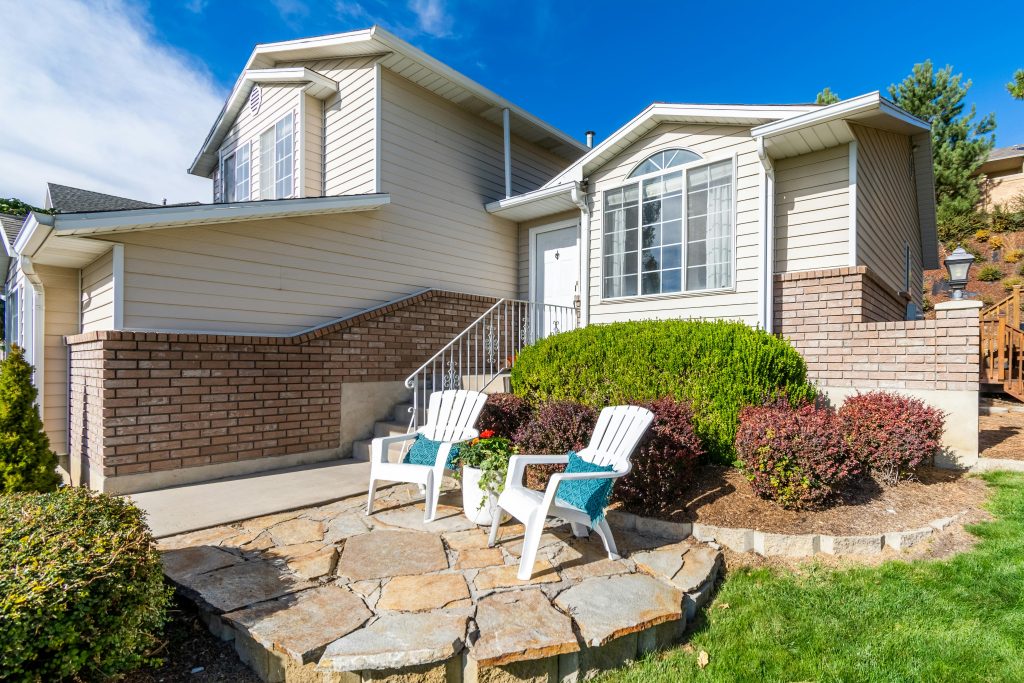
Transforming Your Front Yard: Essential Steps for Weekend Warriors
Transforming your front yard can be a rewarding and exciting project, especially if you’re a weekend warrior eager to enhance your home’s curb appeal. With some planning and effort, you can create an inviting outdoor space. Here are essential steps to help you get started on your front yard makeover.
Evaluate Your Space
Before diving into any transformation, take a moment to assess your current front yard. Look at its size, shape, and existing features. Consider what you like and what you think can be improved. Ask yourself the following questions:
- What is the main purpose of my front yard? Should it be functional, aesthetic, or both?
- Are there any plants or features I want to keep or remove?
- How much time and effort can I realistically dedicate to maintenance?
These considerations will guide your decisions as you evolve your outdoor space.
Set a Budget
Having a budget is crucial for a successful transformation. Determine how much you’re willing to spend, and stick to it! Here’s a simple breakdown:
- Plants and Landscaping: $200 – $500
- Outdoor Furniture: $150 – $800
- Decorative Features (statues, lighting, etc.): $50 – $300
Remember, costs can vary based on your choices, so it’s wise to shop around and look for deals.
Choose a Design Style
Your front yard should reflect your personal taste. Whether you prefer a modern look or a more traditional vibe, choose a design style that appeals to you. Here are some popular styles:
- Contemporary: Clean lines, minimalistic designs, and lots of open space.
- Cottage: A cozy feel with colorful flowers, winding paths, and quaint features.
- Desert or Xeriscape: Drought-resistant plants and rocks for low-maintenance needs.
Once you pick a style, sketch a rough layout to visualize your ideas. This will help you plan where to place different elements.
Prepare Your Soil
Great plants start with good soil! Ensure your soil is healthy and ready for planting. Here’s how:
- Remove any weeds, rocks, or debris from your planting area.
- Test the soil pH and nutrient levels using a simple home-testing kit.
- Add amendments such as compost to enrich the soil.
Healthy soil is the foundation of a thriving front yard, so don’t skip this step!
Select Your Plants
Choose plants that will thrive in your local climate and fit your yard’s style. Here are some tips for selecting suitable plants:
- Focus on native plants, as they require less maintenance and water.
- Consider varying heights and colors to create visual interest.
- Plan for seasonal changes; include spring blooms and fall foliage.
Don’t forget to think about how much sunlight your selected areas receive. Taller plants should be placed in the back to ensure they do not block others from sunlight.
Add Functional Features
Creating a functional front yard can enhance your outdoor living experience. Consider adding features such as:
- Walkways: Paved paths make the garden accessible and guide visitors.
- Seating Areas: A bench or chairs provide a space to relax and enjoy your work.
- Lighting: Landscape lighting enhances security and showcases your beautiful yard at night.
Functional features not only improve your yard’s usability but also contribute to its overall appeal.
Maintenance is Key
As you transform your front yard, remember that regular maintenance will keep it looking fresh. Here are some maintenance tips:
- Water your plants appropriately, especially during dry spells.
- Fertilize and prune plants regularly to encourage growth.
- Remove weeds and debris to keep pathways clear.
Be patient and enjoy the process, knowing that a little care goes a long way in maintaining your transformed front yard.
With determination and these essential steps, you’ll be well on your way to a fantastic front yard transformation. As a weekend warrior, your hard work will pay off with a beautiful space that you can be proud of.
Budget-Friendly Ideas for a Stunning Lawn Makeover
Transforming your lawn doesn’t have to break the bank. With a little creativity and hard work, you can create a stunning outdoor space that enhances the beauty of your home. Here are some budget-friendly ideas to give your lawn a makeover without spending a fortune.
Start with a Plan
Before diving into your lawn transformation, take a moment to plan out your design. Sketch your ideal lawn layout on paper or use free online garden design tools. Consider what you want to achieve—more space for entertaining, a play area for kids, or beautiful flower beds. Having a clear idea will make the process smoother and help you stay on budget.
Choose Affordable Landscaping Options
Consider using native plants, which are often less expensive and require less maintenance. Here are some cost-effective landscaping ideas:
- Perennials Over Annuals: Invest in perennials that return year after year, rather than annuals, which you have to buy again each season.
- Mulch Your Garden: Mulching not only creates a cleaner look but also helps retain soil moisture and suppress weeds, saving you time and money on maintenance.
- Seed Over Sod: Seed your lawn instead of laying sod. Grass seed is generally cheaper and allows you to choose the variety that best fits your climate.
DIY Projects to Enhance Aesthetics
There are plenty of do-it-yourself projects that can add charm to your lawn without costing much. Consider the following ideas:
Pathways and Edging
Creating a charming path can be as simple as laying down some stones or using leftover bricks. You can also use wood logs or low-cost garden edging materials, like plastic or metal, to separate garden beds from your lawn.
Planters and Pots
Instead of buying new planters, consider repurposing old containers or making your own from wood or other materials. You can add character to your lawn with colorful pots filled with herbs or flowers.
Outdoor Furniture Refresh
If you have old outdoor furniture, give it a new life with a fresh coat of paint and some new cushions. You can also look for second-hand items that just need a little love. This budget-friendly approach can create a cozy seating area in your yard.
Use Color Wisely
Color plays a significant role in creating visual interest. Adding colorful blooms or vibrant foliage can brighten your lawn. Look for flowers that bloom at different times of the year to maintain interest throughout all seasons. Consider these tips:
- Layering Colors: Use layered plantings to create depth and richness. Taller plants in the back can showcase shorter ones in the front.
- Seasonal Rotation: Rotate your flower choices as the seasons change to keep your landscape fresh and engaging.
Get Creative with Lighting
Outdoor lighting can create a magical atmosphere in your yard. Solar-powered lights are an excellent budget option. You can even make your own lanterns from mason jars filled with fairy lights. Strategically placing lighting along pathways or near focal points adds beauty and safety to your space.
Maintenance Matters
Once your lawn makeover is underway, regular maintenance will keep everything looking its best. Here are some tips:
- Water Wisely: Avoid over-watering your lawn by sticking to early mornings or late evenings. This approach reduces evaporation and encourages deep root growth.
- Fertilize Naturally: Consider composting kitchen scraps or fallen leaves to create natural fertilizer for your plants.
- Weed Management: Regularly pull weeds by hand or use mulch to suppress their growth—this saves you money on herbicides.
With just a few creative ideas and a bit of effort, your lawn can become a stunning retreat right outside your door. Embrace your skills and dedicate time on weekends to make the most of your outdoor space. The results will be rewarding, both visually and financially!
Choosing the Right Plants for Front Yard Appeal
Transforming your front yard can significantly enhance your home’s curb appeal. Choosing the right plants is a crucial step in this process. The right selection can elevate the aesthetic of your home and improve the overall atmosphere. Here are some essential tips to help you choose plants that will create a vibrant and inviting front yard.
Consider Your Climate
Before you begin selecting plants, it’s vital to assess your local climate. Different regions have various weather patterns, which influence what plants will thrive. Warm climates, for instance, may allow for vibrant tropical plants, while cooler areas might require hardier selections. Here are some factors to consider:
- Temperature: Know the average seasonal temperatures in your area.
- Rainfall: Understand how much rain your region receives and choose plants accordingly.
- Sunlight: Determine which areas of your yard receive sunlight during the day and select plants based on their sunlight preferences.
Understand Soil Conditions
The type of soil in your yard plays a significant role in your plant selection. Test your soil’s pH and nutrient levels to learn more about its condition. Here’s how you can prepare:
- Conduct a Soil Test: Collect samples and test for pH balance and nutrient content.
- Improve Soil Quality: If your soil needs enhancement, consider using organic compost to promote plant health.
- Select Appropriate Plants: Choose plants that match your soil’s conditions, whether it’s sandy, clay, or loamy.
Decide on the Style and Theme
Your front yard should reflect your personality and style. Decide on a theme that resonates with you and complements your home’s architecture. Popular styles include:
- Modern: Features clean lines and minimalist plants.
- Traditional: Incorporates classic flowers and shrubs.
- Cottage: Utilizes a mix of colorful flowers and greenery for a whimsical look.
- Desert: Ideal for arid areas, uses succulents and hardy plants.
Choose Native Plants
Using native plants is beneficial for several reasons. They are naturally adapted to local conditions and require less maintenance. Native plants also attract local wildlife, such as bees and butterflies. This can create a lively environment in your front yard. Here are some benefits of choosing native plants:
- Low Maintenance: They thrive with minimal care.
- Water-Efficient: Require less water compared to non-native varieties.
- Supports Local Ecosystem: Help maintain local biodiversity.
Factor in Maintenance
Not all plants require the same level of care. When choosing plants, consider how much time you’re willing to invest in maintenance. Here are some aspects to evaluate:
- Watering Needs: Some plants need frequent watering while others can thrive on less.
- Pruning Requirements: Certain plants may need regular trimming to maintain their shape.
- Pest Resilience: Opt for varieties that are more resistant to pests and diseases.
Create a Layered Look
A visually appealing yard often features varying plant heights and layers. By incorporating both tall and short plants, you can create depth and interest. Here’s how to achieve this:
- Tall Plants: Place these at the back of your flower beds for structure.
- Medium Plants: These should be in the middle, filling in space and providing continuity.
- Short Plants: Use these at the front to create a soft edge and highlight taller plants.
Seasonal Interest
To keep your front yard looking vibrant year-round, choose plants that bloom in different seasons. This way, your garden will have color and texture throughout the year. Here are some plants to consider for seasonal interest:
- Spring: Tulips and daffodils bring cheerful colors.
- Summer: Hydrangeas and daylilies add lush foliage.
- Fall: Asters and chrysanthemums provide bright hues.
- Winter: Evergreens and winterberry ensure visual appeal even in colder months.
By focusing on the right plants for your front yard, you can create a welcoming environment that enhances your home’s appeal. Remember to consider climate, soil, style, and maintenance. With thoughtful selection, your front yard can become a standout feature that gives you pride and joy for years to come.
DIY Landscaping Tips for a Welcoming Entrance
Creating a welcoming entrance is one of the most rewarding DIY landscaping projects you can undertake. With just a few simple changes, your front yard can radiate warmth and charm, making guests feel right at home. Here are some effective tips to transform your entrance into an inviting space.
Add Colorful Plants
One of the easiest ways to enhance the beauty of your entrance is by using colorful plants. Consider adding a mix of flowering plants and greenery to create a vibrant display. Here are a few suggestions:
- Perennials: Plants like daylilies, coneflowers, and hostas offer color year after year.
- Annuals: Bright flowering annuals such as petunias and marigolds can be replaced each season to keep your entrance fresh.
- Foliage: Don’t forget about the importance of foliage. Plants with varied leaf colors and shapes can provide year-round interest.
Create a Pathway
A well-defined pathway leads guests straight to your front door. Consider these options for your landscape:
- Stepping Stones: Use large stones or pavers to create a rustic, inviting path. You can plant ground cover between the stones for a natural look.
- Gravel: A gravel path can be both affordable and attractive. Use edging to keep the gravel contained and tidy.
- Bricks: If you’re looking for a classic charm, consider laying bricks in a herringbone pattern for added visual interest.
Incorporate Lighting
Outdoor lighting serves two purposes: enhancing safety and adding ambiance. Here are some ideas to brighten your entrance:
- Solar Lights: Easy to install and eco-friendly, solar lights can line your pathway or highlight specific plants.
- String Lights: For a magical touch, drape string lights along trees, shrubs, or even the railing of your front steps.
- Wall Sconces: If you have a covered porch, wall sconces can add both style and light, guiding guests safely to your door.
Include a Focal Point
Every garden needs a focal point to draw the eye. Consider incorporating one of the following:
- Statues: Choose a charming statue that reflects your personality or style.
- Water Feature: A small fountain can create a sense of tranquility and is an excellent addition to any entrance.
- Seating: A bench or chair not only serves as a place to sit but also adds an inviting element to your landscape.
Use Seasonal Decor
Change your decor with the seasons to keep the entrance looking fresh and interesting. Here are some quick tips:
- Autumn: Arrange pumpkins and gourds around your entrance for a cozy fall feel.
- Winter: Add evergreen wreaths and garlands to keep your entrance festive during the colder months.
- Spring: Bright, pastel-colored pots filled with flowers can usher in spring’s beauty.
- Summer: A collection of vibrant flower pots enhances the warmth of summer.
Maintain Regularly
To keep your entrance looking its best, regular maintenance is key. Make sure to:
- Prune Plants: Regularly trim shrubs and flowers to encourage healthy growth and an attractive appearance.
- Weed: Keep the area weed-free to ensure your plants stay healthy and perform well.
- Water: Ensure all plants receive adequate water, especially during dry spells. A small irrigation system can help!
Transforming your front yard into a welcoming entrance doesn’t have to be overwhelming. With these tips, you can create an inviting space that not only enhances your home’s curb appeal but also reflects your personal style. So gather your tools and get started – a beautiful entrance awaits!
Seasonal Maintenance Tips to Keep Your Front Yard Flourishing
Maintaining a thriving front yard requires attention to seasonal changes. By taking specific steps during each season, you can ensure that your outdoor space remains vibrant and welcoming. These tips will help you keep your front yard flourishing throughout the year.
Spring Awakening
As winter gives way to warmer weather, spring is a crucial time for front yard maintenance. Start by assessing any damage caused by cold weather.
- Clean Up: Remove debris, such as fallen branches, leaves, and winter plant coverings. This promotes healthy growth and reduces pests.
- Pruning: Trim back dead or damaged branches from trees and shrubs. This encourages new growth and improves the shape of your plants.
- Soil Preparation: Test your soil’s pH and nutrient levels. Amend it with compost or organic matter to prepare for healthy planting.
- Planting New Seeds: Choose seasonal flowers and vegetables to boost your front yard’s color and utility. Consider options such as pansies for early blooming or vegetable varieties like tomatoes for summer harvesting.
- Irrigation Check: Inspect existing watering systems or plan for manual watering. Ensure all plants receive adequate moisture.
Summer Care
In summer, keeping your front yard healthy can often feel like a juggling act. Heat can stress plants, so focus on providing them the care they need.
- Watering: Water deeply and less frequently to encourage deep root growth. Early mornings or late afternoons are the best times to water.
- Mulching: Apply organic mulch around plants to help retain moisture, suppress weeds, and regulate soil temperature.
- Pest Control: On hotter days, check plants for insects like aphids or spider mites. Use natural pesticides or introduce beneficial insects to manage them.
- Fertilizing: Consider a mid-season fertilizer to replenish nutrients. Choose a balanced, slow-release option to maintain plant health throughout the summer.
- Weed Management: Regularly remove weeds to minimize competition for nutrients and water.
Autumn Preparations
As the leaves change color, preparing your yard for winter is essential.
- Leaf Cleanup: Rake fallen leaves regularly to prevent lawn smothering and disease. Consider composting them for nutrient-rich soil later.
- Planting Bulbs: Now is the time to plant spring-blooming bulbs like tulips and daffodils. Plant them at the recommended depth for best results.
- Winter Prep for Plants: Mulch around tender plants to provide extra insulation for their roots. Consider covering delicate varieties with burlap or netting.
- Drainage Check: Ensure that downspouts and gutters are clear to prevent flooding during winter rain or snow.
Winter Work
Although winter may seem dormant, there are still tasks to keep your front yard looking its best.
- Tools Maintenance: Clean and store garden tools properly. Sharp, clean tools make spring tasks easier and more efficient.
- Planning for Next Year: Take this quieter season to plan the layout of your spring garden. Research new plants or designs that excite you.
- Emergency Watering: During dry winter spells, check that evergreens or newly planted items don’t dry out completely. Water them as needed.
- Bird Feeding: Consider putting up bird feeders to attract wildlife. This adds a lively touch to your front yard while providing food for local birds.
By following these seasonal maintenance tips, you can create a front yard that is both inviting and flourishing. With thoughtful action tailored to each season, you can enjoy an outdoor space that enhances your home and provides pleasure throughout the year.
Conclusion
Transforming your front yard into a visually appealing space doesn’t have to break the bank or take a professional to make it happen. As a weekend warrior, you can use essential steps, budget-friendly ideas, and DIY landscaping tips to create an inviting entrance that reflects your personal style. Selecting the right plants plays a crucial role in enhancing your front yard’s appeal. Focus on native plants or those that thrive in your climate to ensure they flourish beautifully with minimal effort.
By putting in the effort on weekends, you can turn your yard into a stunning showcase. Don’t forget to think about seasonal maintenance tips that will keep your front yard healthy and vibrant all year round. Regularly checking your plants, updating mulch, and seasonal pruning not only maintain beauty but also strengthen your landscaping investment.
As you embark on this journey, focus on incorporating your unique touch while keeping your space functional and welcoming. What might seem like a daunting task can be an enjoyable experience filled with creativity and personal achievements. With determination, the right strategies, and a splash of patience, your front yard can transform into a beloved extension of your home. Embrace the process, and soon enough, you’ll have an inviting space that makes a great first impression for guests and passersby alike.