“Climate Zone Cheat Sheet: Right Plants, First Try”

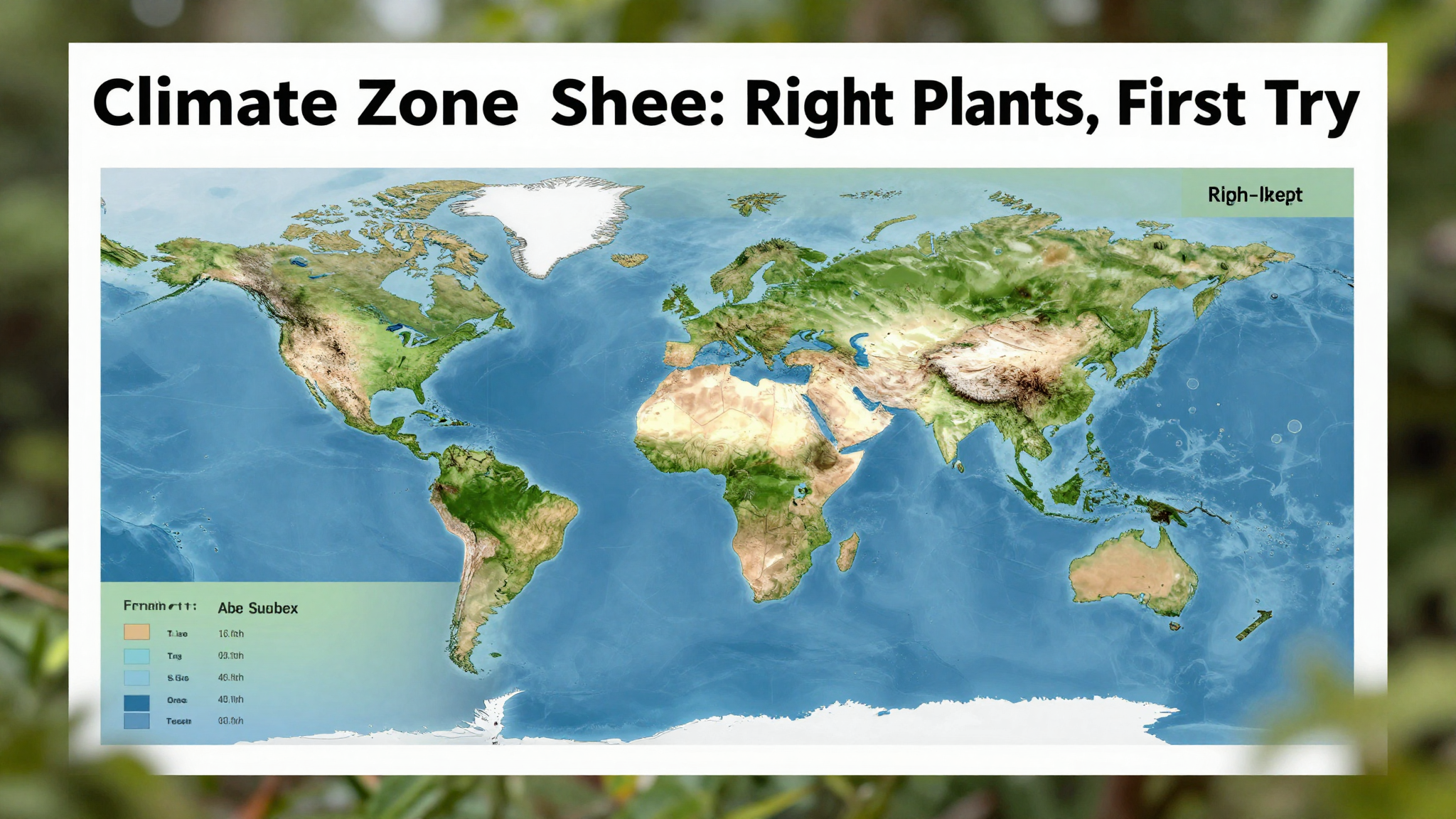
Climate Zone Cheat Sheet: Selecting the Right Plants for Your Region
Selecting the right plants for your garden can feel overwhelming, especially when considering the unique climate of your region. A helpful tool to simplify this process is a cheat sheet that helps you understand your climate zone and the plants that thrive within it. By identifying your climate zone, you can choose the best plants on your first try, ensuring a beautiful and flourishing garden.
The United States uses a system of climate zones developed by the USDA. This system ranges from Zone 1, which experiences the coldest temperatures, to Zone 13, which features the warmest climate. Understanding where your area falls within this spectrum is crucial for selecting appropriate plants. Let’s explore the different climate zones and the best plants to consider for each one.
Climate Zones Overview
Here’s a quick breakdown of the climate zones:
- Zone 1: Extremely cold conditions, average winter temperatures below -50°F.
- Zone 2: Very cold winters, average winter temperatures between -50°F and -40°F.
- Zone 3: Cold winters, average winter temperatures between -40°F and -30°F.
- Zone 4: Cold to moderate winters, average winter temperatures between -30°F and -20°F.
- Zone 5: Moderate winters, average winter temperatures between -20°F and -10°F.
- Zone 6: Mild winters, average winter temperatures between -10°F and 0°F.
- Zone 7: Warmer winters, average winter temperatures between 0°F and 10°F.
- Zone 8: Warm to hot summers, average winter temperatures between 10°F and 20°F.
- Zone 9: Subtropical environment, average winter temperatures between 20°F and 30°F.
- Zone 10: Tropical conditions, average winter temperatures between 30°F and 40°F.
- Zone 11: Very warm climate, average winter temperatures between 40°F and 50°F.
- Zone 12: Extremely warm climate, average winter temperatures between 50°F and 60°F.
- Zone 13: Hottest climate, average winter temperatures above 60°F.
Choosing Plants for Your Climate Zone
Once you know your climate zone, selecting plants becomes less daunting. Here’s a guide to help you pick the right plants for each zone:
Zone 1 to Zone 3
These zones benefit from hardy plants that can withstand extreme cold. Consider planting:
- Evergreens like Pine and Spruce.
- Perennials such as Hellebore and Daylily.
- Cold-tolerant shrubs like Barberry and Witch Hazel.
Zone 4 to Zone 6
These areas experience milder winters, allowing a broader selection of plants. Good choices include:
- Deciduous trees such as Maple and Oak.
- Flowering shrubs like Forsythia and Hydrangea.
- Vegetables such as Carrots and Kale.
Zone 7 to Zone 9
In these warmer zones, you can cultivate a variety of plants, including:
- Tropical plants like Jasmine and Hibiscus.
- Fruits such as Blueberries and Citrus Trees.
- Ornamental grasses like Fountain Grass and Blue Fescue.
Zone 10 and Above
For the hottest climate zones, focus on heat-loving plants:
- Cacti and succulents like Aloe Vera and Agave.
- Florals such as Petunia and Marigold.
- Heat-resistant shrubs including Oleander and Bougainvillea.
Using a climate zone cheat sheet can save you time, effort, and disappointment in your gardening endeavors. By knowing your zone and making informed plant choices, you set your garden up for success right from the start. Happy gardening!
Understanding Climate Zones: Their Importance for Gardeners
When you think about gardening, you might picture the plants and flowers you want to grow. But there’s something just as important to consider: the climate zone where you live. Understanding your climate zone is crucial. It helps you choose the right plants which is vital for successful gardening. By knowing this information, you set yourself up for better results right from the start.
Climate zones are regions defined by their weather patterns, temperatures, and rainfall. The United States Department of Agriculture (USDA) has developed the USDA Plant Hardiness Zone Map. This map divides the country into different zones based on average annual minimum winter temperatures. Knowing your zone allows you to select plants that will thrive in your environment.
So why is understanding climate zones important for you as a gardener? Here are several reasons:
- Plant Selection: Not all plants can grow in every climate zone. Some plants love warmth, while others need cooler temperatures. Understanding your zone helps you select the right plants, increasing your chances of a thriving garden.
- Frost Dates: Knowing your climate zone gives you information about seasonal frost dates. This knowledge helps you determine when to plant seeds or set out seedlings, ensuring they are not damaged by unexpected cold.
- Water Needs: Different climates have different rainfall amounts. If you understand your climate zone, you can choose plants that match your garden’s moisture levels, which supports conservation efforts and saves water.
- Soil Adaptation: Certain plants adapt better to specific soil types, which can be influenced by your climate zone. Understanding this can guide you in amending your soil to suit the plants you wish to grow.
- Pest Management: Climate can affect pest populations. Knowing your zone helps you prepare for the pests and diseases prevalent in your area, allowing you to implement preventive measures effectively.
To get started, check your climate zone. You can find this information through local gardening clubs, agricultural extension offices, or online. Once you know your zone, you can create a plant list tailored to your specific conditions.
When choosing plants, look for varieties that are labeled with your USDA hardiness zone. Most plant tags will specify the zones in which they will thrive. For example, if your climate zone is 5, plants that indicate zones 4-6 will likely do well in your garden.
Here is a simple way to narrow down your plant choices:
- Cool-Season Plants: If you live in a cooler climate or experience short growing seasons, consider cool-season plants such as peas, spinach, and lettuce. These plants thrive in less warm weather.
- Warm-Season Plants: If you are in a warmer climate, opt for warm-season plants like tomatoes, peppers, and squash. They do best in higher temperatures.
To further ensure your plants succeed, consider the sun and shade exposure in your garden. Some plants require full sun, while others prefer partial shade. Understanding the layout of your garden regarding sun exposure helps you position plants correctly. This results in healthier growth.
Another tip is to pay attention to your garden’s microclimates. A microclimate is a small area within your larger climate zone that has slightly different conditions. For instance, a south-facing wall may soak up more sun compared to the rest of your yard. Utilize these differences to grow a wider variety of plants.
Caring for your plants also varies based on climate zones. Some regions may have humid conditions, while others are arid. By knowing your zone, you can tailor your watering schedule, mulch application, and fertilizer needs accordingly.
Understanding your climate zone is a powerful tool for any gardener. It’s not merely about growing plants but growing them successfully. The right plants in the right climate make all the difference. So take the time to learn about your climate zone—it’s the first step toward becoming a gardening pro! Whether you’re aiming for a flower-filled garden or a vegetable patch, knowledge of climate zones ensures that you’ll choose the right plants on the first try.
Common Mistakes in Plant Selection Based on Climate Zones
Selecting the right plants for your garden is essential for success, especially when considering varying climate zones. However, many gardeners make common mistakes that can affect plant health and growth. Understanding these pitfalls can help you create a thriving outdoor space, whether you’re a seasoned gardener or just starting. Let’s dive into these mistakes and learn how to avoid them.
Ignoring Hardiness Zones
One of the biggest mistakes gardeners make is ignoring the USDA Hardiness Zone map. This map shows which plants can thrive in specific temperature ranges. If you choose plants that are not suited for your zone, you risk poor growth or plant death. Always check your climate zone before selecting plants.
Overplanting
Many gardeners feel tempted to fill every available space with plants, but overplanting can lead to increased competition for nutrients, water, and sunlight. Consider the mature size of each plant before determining spacing. This not only helps in maintaining a healthy garden but also promotes better air circulation.
Neglecting Soil Type
Soil quality is just as crucial as climate. Many gardeners overlook the type of soil they are working with. Plants have specific soil preferences concerning drainage, pH level, and nutrient content. Testing your soil can reveal what amendments are necessary to create the optimal growing environment for your chosen plants.
Choosing Plants Based on Aesthetics Alone
Opting for plants simply because they look good in-store is a common mistake that can spell disaster later on. Always consider a plant’s climate suitability, growth requirements, and disease resistance. Researching the plants helps ensure you select varieties that will thrive in your environment.
Underestimating Sunlight Requirements
Each plant species has specific sunlight requirements. Some thrive in full sun, while others prefer partial or full shade. Not paying attention to these needs can lead to weak, spindly plants or overgrown, leggy ones. Observe your garden space to understand how much sunlight each area receives and select plants accordingly.
Mismatching Water Needs
Watering requirements are another essential factor. Often, gardeners mistakenly group together plants that have varying water needs. This can lead to under or overwatering, which significantly impacts growth. When planning your garden, ensure that plants with similar watering requirements are situated together to maintain healthy hydration levels.
Here’s a quick checklist to avoid common plant selection mistakes:
- Check your USDA Hardiness Zone for suitable plants.
- Consider mature sizes for proper spacing.
- Select plants based on soil type and amendments needed.
- Research plant needs beyond aesthetics.
- Observe sunlight patterns before planting.
- Group plants with similar watering needs.
Disregarding Local Climate Changes
Climate can fluctuate year to year and varies even within the same zone. Many gardeners fail to account for microclimates—areas that have different conditions than the surrounding environment. This includes factors like wind, elevation, and proximity to bodies of water. Understanding these nuances can help in selecting plants that will perform best in your specific garden conditions.
Skipping Seasonal Planning
Some gardeners don’t plan for seasonal changes. For instance, choosing plants that flower in the same season can lead to a lack of color throughout the year. By selecting plants that bloom at different times, you can maintain visual interest in your garden year-round.
Neglecting Maintenance Needs
Every plant comes with its own maintenance requirements. Some may require regular pruning, while others might need staking or deadheading to perform well. Not factoring in how much time you can commit to maintaining your plants can result in an untidy garden. Choose plants that fit your lifestyle and maintenance capabilities.
By avoiding these common mistakes in plant selection based on climate zones, you’re setting your garden up for success. Being informed will not only save you time and resources but also allow you to enjoy the beauty of a well-planned garden for years to come.
Adapting Your Garden Design to Various Climate Conditions
Gardening is a rewarding hobby, but it can also be frustrating if your plants don’t thrive. One of the key factors for a successful garden is understanding climate conditions. By adapting your garden design to various climate zones, you can select the right plants that flourish in your specific environment. Here’s how to get started.
Understanding Climate Zones
Climate zones are geographical areas with similar weather patterns. These zones play a crucial role in determining what plants will grow well in your garden. The USDA Plant Hardiness Zone Map is a useful tool for gardeners, helping you identify your zone based on average winter temperatures. Here are the main climate zones you might encounter:
- Tropical: Warm year-round with high humidity.
- Dry/Semi-Arid: Hot summers and mild winters with little rainfall.
- Temperate: Moderate climates with four distinct seasons.
- Cold: Longer, colder winters and shorter growing seasons.
Choosing the Right Plants
Once you’ve identified your climate zone, you can choose the most suitable plants for your garden. Selecting the right plants based on local climate conditions will save you time, energy, and money. Here are some considerations:
- Climate Adaptation: Look for native plants that naturally thrive in your area. They are typically more resilient to pests and diseases.
- Water Needs: Consider plants with similar water requirements. Group those that need more moisture together, and rely on drought-tolerant species in arid zones.
- Sunlight Requirements: Take note of how much sunlight your garden receives daily. Choose shade-tolerant plants for shady areas and sun-loving plants for bright spots.
Soil and Drainage Considerations
Soil type and drainage significantly influence plant health. Different plants have varying soil preferences, ranging from sandy and well-drained soils to clay and nutrient-rich. To adapt your garden design:
- Test Your Soil: Conduct a soil test to determine pH and nutrient levels. This helps in choosing amendments if needed.
- Improve Drainage: If you have heavy clay soil, consider raised beds or amending the soil with organic matter to improve drainage.
- Mulching: Use mulch to retain soil moisture and regulate temperature, especially important in extreme climates.
Designing for Temperature Extremes
In areas that experience extreme temperature fluctuations, your garden design should provide protection for plants.
- Windbreaks: Use trees or tall shrubs as windbreaks to protect your garden from harsh winds.
- Shade Structures: In hot areas, consider adding shade cloths that help moderate extreme heat on sunny days.
- Microclimates: Take advantage of microclimates within your yard, such as sheltered corners, to grow plants that may need a little more warmth.
Seasonal Considerations
Don’t forget to plan for the seasons. Knowing when to plant, prune, and mulch is vital for adapting your garden successfully. Here’s how to manage it:
- Timing Your Planting: Check the last frost dates for your area and plant accordingly, especially for tender seedlings.
- Seasonal Pruning: Some plants require pruning during specific times of the year. Make sure to research the best practices for your chosen plants.
- Fall Preparation: As the season changes, prepare garden beds for winter. Mulch or cover your garden to protect perennials.
Adapting your garden to various climate conditions is not just about planting; it involves careful planning and consideration of local weather patterns. By understanding your climate zone, selecting the right plants, and considering soil and temperature extremes, you’ll create a garden that flourishes beautifully. Take the time to assess your space and make informed decisions for a thriving garden this season and beyond.
Seasonal Planting Tips for Different Climate Zones
Understanding your climate zone is crucial for successful gardening. Different regions have unique weather patterns that can influence the types of plants you can thrive. The right choices can lead to beautiful blooms, delicious veggies, and a flourishing garden. Let’s explore seasonal planting tips tailored specifically for your climate zone.
Zone 1: Extremely Cold Climates
In these frigid areas, your growing season is short, so choose hardy perennials and cold-tolerant annuals. Here are some tips:
- Start seeds indoors during late winter.
- Opt for plants like kale, pansies, and hardy bulbs.
- Use row covers to protect tender new plants from frost.
- Make use of raised beds to improve soil drainage and warmth.
Zone 2: Cold Climates
This zone still experiences cold winters, but you can extend your growing season with strategic planting.
- Begin with early starters such as peas and spinach.
- In the spring, transplant seedlings outdoors once the soil warms.
- Look for perennials that can survive the winter, like daylilies and hostas.
Zone 3: Cool Temperate Climates
With a slightly warmer climate, you can grow more varieties.
- Start sowing seeds in early spring for summer crops.
- Consider using hoop houses to get a jump on your planting.
- Beans, tomatoes, and cucumbers thrive here during the summer months.
- Plan for fall by planting cool-weather crops like turnips and cabbage.
Zone 4: Temperate Climates
This zone is perfect for a variety of fruits and vegetables, making it the envy of many gardeners.
- Spring is prime time for planting. Start with root vegetables like carrots and beets.
- Summer is great for herbs like basil and parsley, as well as lettuces.
- For fall, think about planting quick-growing crops such as radishes and greens.
Zone 5: Mild Temperate Climates
Warm summers allow for a wide swath of plant options.
- In early spring, asparagus and rhubarb can be planted for a delicious perennial crop.
- Summer is the season to enjoy tomatoes, peppers, and squash.
- Fall gardening can include garlic and cover crops to preserve soil health.
Zone 6: Transitional Climates
This zone can see a mix of cold and warm weather, allowing for unique gardens.
- Start indoors with tomatoes and peppers in early spring.
- Herbs will thrive, especially if you have well-draining soil.
- Fall is the time to plant overwintering varieties, like garlic and shallots.
Zone 7: Warm Temperate Climates
This zone often enjoys a longer growing season, offering plenty of opportunities.
- Sow seeds early for beans, cucumbers, and squash.
- Mid-summer is perfect for planting fall crops like broccoli and brussels sprouts.
- Cover sensitive plants during unexpected frosts to extend their lives.
Zone 8: Subtropical Climates
In this warmer climate zone, gardening options abound.
- You can grow a variety of fruits, from peaches to citrus.
- Spring planting can include heat-loving plants like eggplant.
- In fall, consider planting perennials to add color for the upcoming year.
Zone 9: Mediterranean Climates
Enjoy mild winters and warm summers with these gardening tips.
- Use spring to plant vibrant annuals, such as marigolds and zinnias.
- Summer allows for peppers, tomatoes, and herbs to flourish.
- Plan fall plantings with cool-season crops that can grow through the winter.
Understanding your climate zone and adapting your planting strategies accordingly can seem daunting, but it sets the foundation for a thriving garden. Embrace the seasonality of your region, plan wisely, and enjoy the fruits of your labor while enhancing your local ecosystem.
Conclusion
Selecting the right plants for your garden can transform your outdoor space and ensure its success. By understanding the significance of climate zones, you equip yourself with the knowledge to choose plants that thrive in your specific area. This awareness not only enhances your gardening experience but also protects your investment of time and resources.
Avoiding common mistakes in plant selection, such as disregarding local climate conditions, is crucial. These pitfalls can lead to disappointment and wasted effort. Instead, embrace the diverse potential that each climate zone offers by carefully researching plants and understanding their needs.
Adapting your garden design to suit various climate conditions is an exciting challenge that empowers you to create a unique landscape tailored to your environment. Consider factors like sunlight, moisture, and temperature fluctuations when designing your garden layout. A well-thought-out approach will yield a resilient and beautiful garden that thrives through the seasons.
Seasonal planting tips are essential for maximizing your garden’s potential. Knowing when to plant certain species can lead to a more vibrant and productive garden throughout the year. Whether you’re in a temperate, tropical, or arid zone, aligning your planting schedule with local climate patterns will yield a flourishing outdoor space.
By assessing your climate zone and following these techniques, you can cultivate a garden that not only looks stunning but also flourishes year-round. Let your knowledge guide you, making gardening a rewarding experience filled with joy and abundance.