Best Plants For Extreme Heat Landscaping”
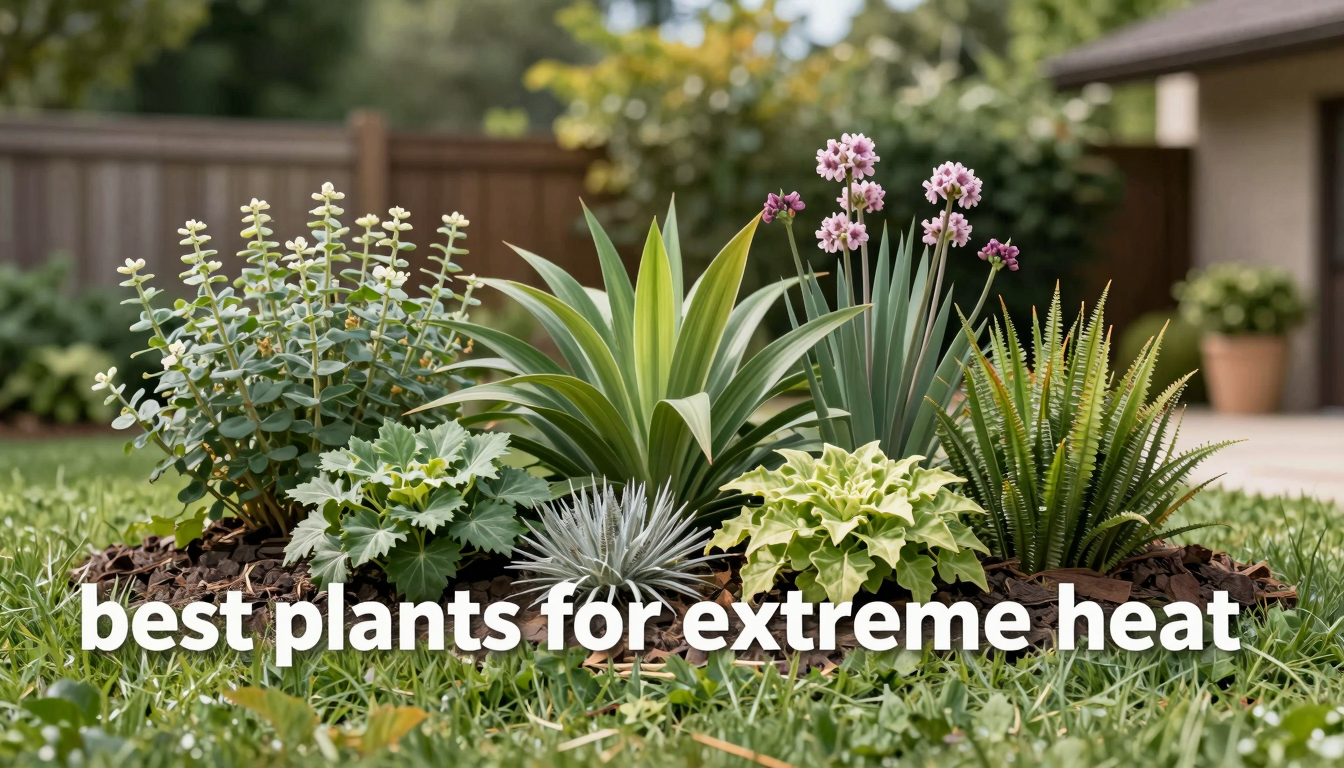
Best Plants for Extreme Heat Landscaping: Top Choices for a Resilient Garden
Landscaping in areas of extreme heat can be a challenge, but knowing which plants thrive in such conditions can help you create a stunning and resilient garden. The best plants for extreme heat landscaping are those that not only tolerate high temperatures but also require minimal water and maintenance. Here are some top choices to elevate your outdoor spaces.
Succulents
Succulents are famous for their ability to store water in their leaves, making them perfect for hot climates. Varieties such as Aloe Vera, Agave, and Jade Plant are not only easy to care for but also add an artistic touch to your garden. Incorporate these plants in rock gardens or use them as accent pieces along pathways for added texture.
Native Grasses
Native grasses are another excellent choice for extreme heat landscaping. They’re adapted to local conditions, which means they thrive without extensive watering. Some popular options include:
- Blue Grama – This drought-tolerant grass features fine-textured blades and produces charming seed heads.
- Buffalo Grass – Known for its resilience, it’s perfect for lawns in hot areas and requires minimal maintenance.
- Mexican Feather Grass – This ornamental grass adds visual interest with its flowing form and is also drought-resistant.
Desert Plants
For a bold and beautiful landscape, consider incorporating various desert plants that are built to withstand extreme temperatures. Here are a few to look for:
- Barrel Cactus – This iconic plant adds a striking silhouette to any garden and can survive in scorching heat.
- Firestick Plant – Known for its vibrant, colorful stems, this succulent can handle high temperatures with ease.
- Desert Willow – It provides lovely flowers and shade, perfect for enhancing gardens in sunny areas.
Perennial Flowers
Choose perennial flowers that are heat-resistant to bring color and life to your landscape. Here are favorites that can survive the heat:
- Black-eyed Susan – Bright yellow blooms that thrive in full sun and attract pollinators.
- Lavender – This fragrant plant not only withstands dry conditions but also adds beauty and aroma to your garden.
- Blanket Flower – With its vibrant petals, it thrives in well-drained soil and bright sunlight.
Herbs and Vegetables
If you want to grow your own food, many herbs and vegetables can thrive in extreme heat. Consider planting:
- Thyme – A tough herb that loves sun and requires little water.
- Rosemary – This fragrant herb is both drought-resistant and versatile in cooking.
- Tomatoes – Certain varieties, like heat-tolerant hybrids, perform well in hot climates and provide fresh produce.
Tips for Maintaining Your Heat-Friendly Garden
Even though many of these plants are drought-tolerant, there are some best practices to maximize their health:
- Mulch: Apply a thick layer of mulch around your plants to help retain moisture and regulate soil temperature.
- Drip Irrigation: Consider installing a drip irrigation system to provide consistent moisture directly to the roots, which can be more efficient than traditional watering methods.
- Timing: Water plants early in the morning or late in the evening to reduce evaporation and ensure plants absorb enough moisture.
Creating a thriving landscape in an extreme heat environment is not only possible but can be quite beautiful. Choosing the best plants for extreme heat landscaping will help you maintain a vibrant garden with little effort, while also conserving water and resources. Whether you prefer succulents, grasses, flowers, or vegetables, there are plenty of options to suit your aesthetic and environmental needs. Start planning your garden today and embrace the beauty that can flourish even in the hottest conditions!
Strategies for Preparing Your Landscape for Scorching Summers
As temperatures soar during the summer months, your landscape may require special attention to thrive. Knowing how to prepare your yard for extreme heat is essential to maintaining a vibrant outdoor space. With the right plants, techniques, and planning, you can ensure a flourishing landscape even in scorching conditions.
Choose Heat-Tolerant Plants
One of the most effective strategies for preparing your landscape is selecting the right plants. Here are some of the best plants for extreme heat landscaping:
- Agave: These succulent plants store water in their leaves, making them drought-tolerant and perfect for hot climates.
- Lavender: This fragrant herb loves full sun and thrives with little water, adding beauty and aroma to your garden.
- Desert Sage: Known for its drought resistance, Desert Sage offers lovely purple flowers and can attract pollinators, like bees and butterflies.
- Marigolds: These colorful annuals are not only heat-proof but also help repel pests in your garden.
- Yucca: With striking foliage and beautiful flowers, Yucca plants are sturdy and adaptable to extreme heat.
These plants into your landscaping can create a stunning and resilient garden, even on the hottest days.
Implement Mulching Techniques
Mulching is another effective way to prepare your landscape for intense heat. By applying a layer of organic or inorganic mulch, you can help retain soil moisture and regulate temperature. Here are some benefits of mulching:
- Reduces evaporation of water from the soil
- Cools the root zones of plants
- Minimizes weed growth, which competes for water
Selecting organic materials like wood chips, straw, or bark can also enrich the soil as they break down. Aim for a mulch layer of about 2-4 inches to maximize its effectiveness.
Install Efficient Irrigation Systems
Watering your plants effectively is crucial during extreme heat. Consider investing in an efficient irrigation system that minimizes water waste. Here are a few strategies:
- Drip irrigation: This method delivers water directly to the roots, ensuring that plants receive exactly what they need without overwatering.
- Smart timers: Utilize timers that can adjust watering based on real-time weather conditions, preventing water waste during rainy spells.
- Soaker hoses: These hoses gently seep water into the ground, providing moisture directly to the plants’ root zones.
Implementing an effective irrigation system not only conserves water but also encourages deep root growth, which helps plants withstand extreme heat.
Provide Temporary Shade
If your landscape includes plants that struggle in direct sun, consider creating temporary shade. You can use shade cloths, umbrellas, or even strategically placed outdoor furniture to shield vulnerable plants. Here are some methods:
- Shade cloth: Install lightweight fabric over sensitive areas to filter sunlight during the hottest parts of the day.
- Patio umbrella: For smaller garden spaces, an umbrella can provide instant shade.
- Planting taller species: Introduce taller plants or trees that will grow to provide shade over time.
Offering shade allows those delicate plants to thrive while still getting the sunlight they need during cooler parts of the day.
Monitor Soil Health
Healthy soil is fundamental to a resilient landscape. Regularly check your soil for proper drainage and nutrient levels. Here are some tips to maintain soil health during extreme heat:
- Test soil pH and nutrient levels at least once a year.
- Add organic compost to improve soil structure and water retention.
- Avoid compacting soil by limiting foot traffic in vulnerable areas.
Healthy soil supports strong root systems, which are essential for plants that face the rigors of intense summer heat.
By employing these strategies, you are setting up your landscape for success amidst scorching summer conditions. With careful planning, plant selection, and maintenance practices, your outdoor space can remain inviting and lush, providing joy throughout the warm months. Remember, a heat-tolerant garden is not just practical; it can also be stunning and full of life—making summer days in your backyard a pleasure rather than a chore.
Water-Saving Techniques in Hot Weather Gardening
The sun can be relentless during hot weather, but your garden doesn’t have to suffer. With some smart water-saving techniques, you can keep your plants thriving while conserving precious resources. Here are some effective strategies to use in your gardening routine.
Mulching for Moisture Retention
Adding a layer of mulch around your plants is one of the simplest ways to reduce water evaporation. Mulch not only helps retain soil moisture but also suppresses weeds, which compete for water. Here are a few mulch types you can consider:
- Wood Chips: These decompose slowly and provide long-lasting moisture retention.
- Straw: An excellent option for vegetable gardens, straw allows water penetration while preventing evaporation.
- Grass Clippings: Fresh or dried clippings can help maintain moisture and add nutrients as they break down.
Choose Drought-Resistant Plants
Plant selection plays a critical role in water-saving gardening. Opt for native or drought-resistant plants that are well-adapted to your climate. These plants typically require less water and are more resilient during hot weather. Some great options include:
- Lavender: This aromatic herb requires minimal watering once established.
- Succulents: They store water in their leaves, making them perfect for hot, dry conditions.
- Agave: Known for its dramatic form, Agave is extremely drought-tolerant.
Watering Techniques for Efficiency
The way you water your garden can have a significant impact on water usage. Here are some efficient watering techniques to consider:
- Drip Irrigation: This system delivers water directly to the plant roots, reducing waste and encouraging deep root growth.
- Soaker Hoses: Like drip irrigation, soaker hoses allow water to seep slowly into the soil.
- Watering Early or Late: Watering in the early morning or late afternoon minimizes evaporation compared to watering during the hottest part of the day.
Soil Management
Healthy soil is essential for retaining moisture. By improving your soil’s structure, you can enhance its water-holding capacity. Consider these soil management tips:
- Add Organic Matter: Incorporate compost into your soil to improve its texture and ability to retain moisture.
- Avoid Compaction: Limiting heavy foot traffic in garden beds keeps soil aerated, allowing for better water infiltration.
Container Gardening Strategies
If you prefer container gardening, there are additional techniques to save water:
- Self-Watering Pots: These pots have reservoirs at the bottom, allowing plants to absorb water slowly as needed.
- Choose the Right Pot Material: Light-colored pots can help reduce heat absorption, keeping roots cooler and requiring less watering.
Use Grey Water Wisely
Greywater reuse is an excellent way to save water in the garden. Consider using water from your kitchen, showers, or laundry for irrigation (ensure it’s free of harsh chemicals). Here’s how to safely use greywater:
- Store It Properly: Use sealed containers to prevent odors.
- Apply Directly to Roots: Avoid applying greywater on edible leaves to ensure safety.
Monitor Weather Conditions
Keep an eye on the weather to optimize your watering schedule. Using a rain gauge helps determine if recent rains have provided adequate moisture. Adapting your watering routine based on the weather ensures your plants get the right amount of water without wasting resources.
These water-saving techniques into your gardening practices can make a notable difference in maintaining a healthy garden while conserving water. By selecting the right plants, using efficient watering methods, and improving your soil, you can create a flourishing garden that stands up to extreme heat. Together, these strategies help you enjoy a vibrant landscape while being mindful of precious water resources.
The Role of Soil Health in Extreme Heat Plant Survival
Soil health plays a critical role in the survival and growth of plants, especially in conditions of extreme heat. When temperatures soar, plants face significant stress. They rely heavily on healthy soil to retain moisture, supply nutrients, and support root systems. Here’s how soil health impacts plant survival during scorching heat.
Understanding Soil Composition
The first step in recognizing soil health is understanding its composition. Healthy soil is a mixture of minerals, organic matter, air, and water. Each of these components is essential in creating the right environment for plants to thrive. When soil is healthy, it has a balanced structure that ensures proper drainage while also retaining sufficient moisture, which is crucial during extreme temperatures.
1. Nutrient Availability
Plants need nutrients to survive, and healthy soil provides these essential elements. Key nutrients include nitrogen, phosphorus, and potassium. Healthy soil contains a multitude of microorganisms that help break down organic matter, making these nutrients readily available to plants. Poor soil can limit nutrient uptake, resulting in weaker plants that struggle under heat stress.
2. Moisture Retention
During periods of extreme heat, soil moisture becomes a vital resource.
- Organic Matter: organic matter, such as compost or well-rotted manure, improves the soil’s ability to retain moisture. Organic matter helps create a sponge-like effect, allowing it to hold water better.
- Soil Structure: Healthy soil has a good structure, promoting air pockets that also help in retaining moisture. Soil that is compacted or poorly drained can lead to water runoff, making it hard for plants to get the moisture they need.
Root Health and Development
A strong root system is vital for plant stability and nutrient uptake. Healthy soil provides a favorable environment for roots to grow. When soil is compacted or devoid of nutrients, roots cannot develop properly, leading to shallow root systems. In extreme heat, shallow roots struggle to access the moisture needed, making plants susceptible to wilting and stress.
3. Microbial Life
The micro-environment within the soil is bustling with life. Beneficial microorganisms play various roles, including nutrient cycling, disease suppression, and organic matter decomposition. In healthy soil, these microorganisms thrive, enhancing the overall health of the plants. The presence of microbial life ensures that plants can better adapt to heat stress by improving their resilience and nutrient uptake.
4. Soil pH Levels
The pH level of soil is another critical aspect of soil health. Most plants thrive in a pH range of 6.0 to 7.5. If soil becomes too acidic or alkaline, it can hinder the plant’s ability to absorb nutrients, leading to nutrient deficiencies. Regularly testing soil pH can help adjust conditions using amendments like lime or sulfur, ensuring it remains conducive to plant health, particularly during heat waves.
Improving Soil Health for Heat Resistance
There are several strategies to enhance soil health, particularly for landscaping in extreme heat conditions:
- Regular Composting: Adding compost enriches the soil with organic matter and beneficial microorganisms.
- Mulching: Applying a layer of mulch helps keep the soil cool, retains moisture, and reduces the evaporation rate.
- Avoiding Soil Compaction: Reducing foot traffic or heavy equipment use on garden beds protects soil structure.
- Cover Crops: Growing cover crops during off-seasons can improve soil health and structure, enhancing moisture retention for future planting.
By focusing on soil health, you can create a robust environment for your plants to endure extreme heat. Adequate nutrients, moisture retention, and strong root systems supported by healthy soil allow your landscape to thrive even in the most challenging conditions. The benefits go beyond simple survival; they contribute to the overall beauty and productivity of your garden or landscaping.
Creating Microclimates to Protect Sensitive Plants from Heat Stress
As summer heats up, protecting your treasured plants from heat stress becomes essential. One effective strategy is to create microclimates in your landscape. Microclimates are small areas that have distinct climatic conditions, differing from the surrounding area due to various factors. By establishing these unique zones, you can provide a more hospitable environment for sensitive plants.
Understand Your Space
The first step in creating microclimates is understanding your garden’s layout. Observe how sunlight, wind, and moisture affect different areas throughout the day. Note the sunniest spots, the shaded areas, and any sheltered nooks. With this knowledge, you can strategically place plants where they will thrive best.
Shading Techniques
One of the simplest ways to protect plants from intense heat is by providing shade. Here are some effective shading techniques:
- Canopies: Use pergolas, arbors, or sails to create a natural shade structure.
- Trees: Strategically planted trees can provide long-term shade. Choose deciduous varieties, which shed leaves in fall, allowing sunlight during winter.
- Potted Plants: Place potted plants in shaded areas during the hottest parts of the day. Move them around as needed.
Windbreaks
Wind can exacerbate heat by increasing evaporation rates. Installing windbreaks can help. Consider the following options:
- Fences and Walls: Solid structures can shield plants from hot winds.
- Hedges: These not only serve as windbreaks but also contribute to the beauty of your garden.
- Mesh Screens: Translucent screens can reduce wind intensity while allowing some light to filter through.
Water Features
Water can greatly influence local climate conditions. Adding a water feature can help cool the surrounding area. Here are some ideas:
- Ponds: A small pond can provide humidity and create a cooler microclimate.
- Fountains: The moving water from a fountain can help cool the surrounding air and attract beneficial wildlife.
Soil and Mulch Management
Your soil and mulch choices also play a critical role in how well plants manage heat stress. Keep these tips in mind:
- Organic Mulch: Apply a layer of organic mulch, like wood chips or straw, to help retain moisture and regulate soil temperature.
- Soil Quality: Amend your soil with compost. Healthy soil holds moisture better and promotes healthier root systems.
Plant Spacing and Grouping
When planting, consider how you space and group your plants. Close planting can create shade and retain humidity. Group plants with similar water and sun requirements together to simplify maintenance and optimize growth conditions.
Choosing the Right Plants
Select plants that thrive in your localized conditions. Heat-tolerant varieties will fare better during heat waves. Look for:
- Native Plants: These species are naturally adapted to your climate and will often withstand heat better than non-native options.
- Succulents: Succulents and other drought-resistant plants can endure high temperatures with minimal water.
Creating microclimates in your landscaping not only protects sensitive plants from heat stress but also enhances the overall beauty and function of your outdoor space. By strategically implementing shade, windbreaks, and water features while choosing the right plants, you can create a thriving garden oasis that stands strong against extreme heat.
Conclusion
Selecting the best plants for extreme heat landscaping is essential for creating a resilient garden that thrives under scorching conditions. By choosing heat-tolerant species, you can build a vibrant landscape that complements the climate rather than struggling against it. Additionally, preparing your landscape in advance can significantly impact the health and vitality of your plants. Implementing smart water-saving techniques ensures that your garden remains hydrated without wasting precious resources, especially during the hottest months.
Soil health plays a critical role in enabling plants to withstand extreme temperatures. Proper soil management techniques, such as enriching your soil with organic matter, can enhance its ability to retain moisture and nutrients. With healthy soil, plants develop stronger root systems, making them more resilient during heatwaves.
Creating microclimates within your garden can further protect sensitive species from heat stress. By incorporating shade structures, strategically placing taller plants, or using mulch, you can shield delicate plants and help them thrive even in adverse conditions. These microclimates not only offer protection but also add diverse visual interest to your landscape.
By integrating these strategies, you can cultivate a garden that not only survives but flourishes in extreme heat. This proactive approach ensures that your outdoor space remains a source of pleasure and beauty, regardless of the weather. Embrace these techniques and watch your garden thrive through the toughest summers, creating an oasis you can enjoy year after year.