Low-maintenance Landscaping For Busy Homeowners
Best for busy Homeowners
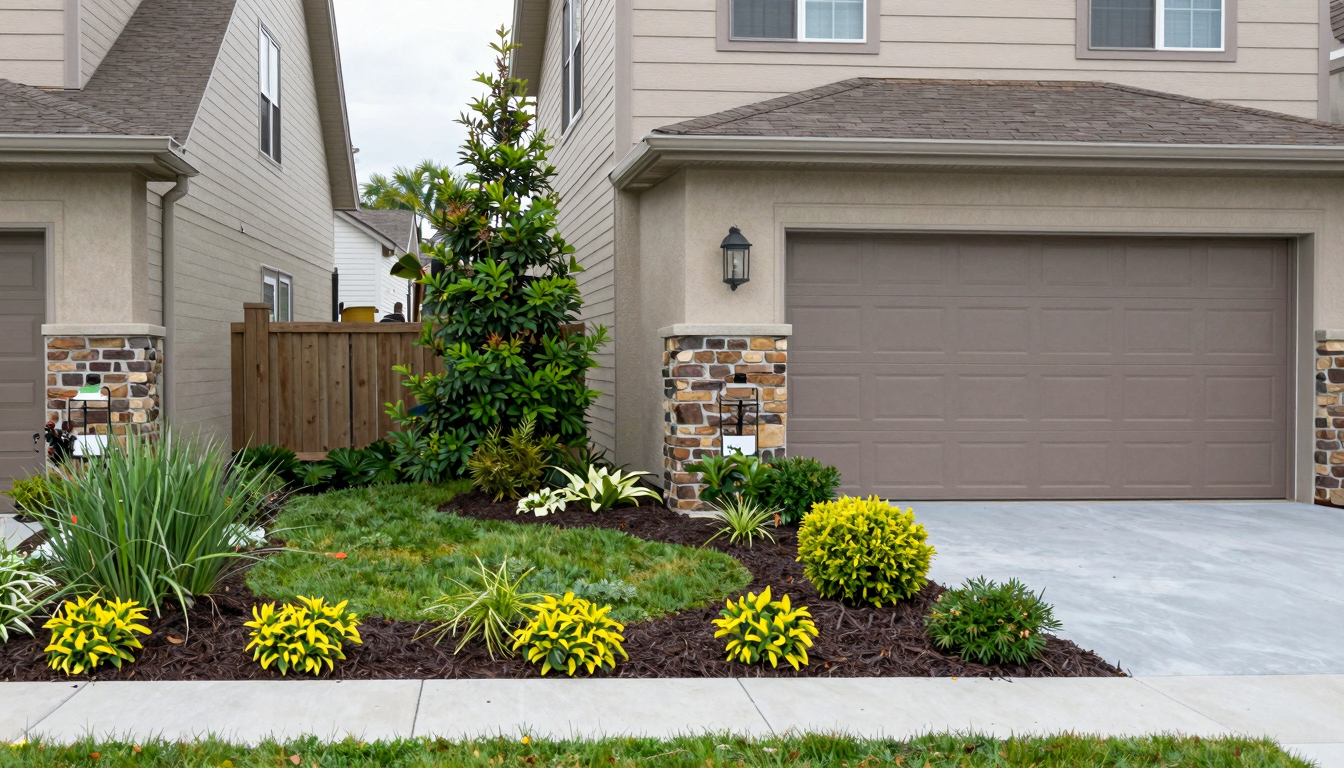
Low-Maintenance Landscaping Ideas for Busy Homeowners
If you’re a busy homeowner, you understand the struggle of maintaining a beautiful yard while juggling a hectic schedule. The good news is that low-maintenance landscaping can help you enjoy an attractive outdoor space without the time-consuming upkeep. Here are some fantastic ideas to transform your yard into a beautiful and easy-to-care-for oasis.
Choose Native Plants
One of the best ways to simplify your landscaping is to select native plants. These plants are naturally adapted to your local climate and soil conditions, which means they require less water and care. Some popular native options include:
- Black-eyed Susans
- Butterfly weed
- Daylilies
- Rudbeckia
By planting native species, you’ll not only save time on watering and maintenance but also support local wildlife, including bees and butterflies.
Incorporate Mulch
Mulching is an excellent strategy to reduce maintenance in your garden. Applying a layer of mulch around your plants helps:
- Retain moisture in the soil
- Control weed growth
- Add nutrients as it decomposes
Using organic mulch, such as wood chips or bark, can enhance the aesthetics of your landscape while minimizing the workload.
Opt for Perennials Over Annuals
Choosing perennials instead of annual flowers can significantly lessen your gardening duties. Perennials bloom year after year without needing to be replanted. Popular low-maintenance perennials include:
- Hostas
- Lavender
- Daylilies
- Sedums
Investing in perennials ensures that your garden remains vibrant with minimal effort.
Design with Hardscaping
Hardscaping elements like patios, walkways, and retaining walls can create focal points in your yard while reducing the need for plant maintenance. Using materials like stone, brick, or cement not only enhances visual appeal but also minimizes the areas that require grassy spaces or flower beds.
Minimalist Planting
A minimalist approach can be an effective way to create low-maintenance landscaping. Fewer plants mean less care overall. Consider grouping plants in clusters to make a bold statement while keeping upkeep easy. It is also wise to ensure that the plants you choose have similar water and sunlight requirements.
Install a Drip Irrigation System
Automatic drip irrigation systems are a game-changer for busy homeowners. These systems deliver water directly to the plant roots, which can significantly cut down on the time you spend watering. Once installed, you can set a timer so that your plants receive the right amount of water with minimal effort.
Use Ground Covers
Ground cover plants create a lush, green carpet without the need for constant mowing. Plants like creeping thyme, clover, or sedum can spread across your garden beds, preventing weeds while staying low to the ground. This reduces mowing and maintenance, allowing you to enjoy your yard without the hassle.
Consider Artificial Turf
If maintaining natural grass feels overwhelming, you might consider artificial turf. Modern synthetic options look realistic and are designed to withstand wear and tear. With no mowing, watering, or fertilizing, you can have a vibrant green lawn year-round without any labor.
Embrace Container Gardening
Container gardening allows you to enjoy a range of plants with improved control over care. You can strategically place pots around your yard for a stylish look. Choose drought-resistant plants for added ease and minimize the need for upkeep. As container gardens are portable, you can easily adjust their location based on sunlight or aesthetic preferences.
Low-maintenance landscaping is an achievable goal for busy homeowners. By making smart plant choices, utilizing hardscaping, and incorporating efficient watering systems, you can enjoy a stunning outdoor space that complements your lifestyle without overwhelming your schedule. Whether you aim for a vibrant flower garden or a serene retreat, these landscaping ideas can help you create a low-maintenance environment you love. Embrace these techniques, and enjoy the free time you gain to spend with family and friends in your outdoor haven.
The Benefits of Native Plants in Minimal Effort Gardens
For busy homeowners seeking to beautify their yards without dedicating endless hours to maintenance, embracing native plants is an excellent strategy. Native plants have adapted to local conditions and often require less water, fertilizer, and care, making them perfect for minimal effort gardens. Here are some key benefits of using native plants in your landscape.
Firstly, native plants thrive in your area’s climate. They are naturally adapted to local rainfall, soil types, and seasonal changes. This means they often need less water than non-native species. By reducing the need for irrigation, you can have a greener garden while conserving water, which is particularly beneficial during dry spells.
Secondly, these plants are resilient. Native species are better equipped to handle pests and diseases that may affect non-native plants. Without the need for chemical pesticides, your garden can continue to flourish with a more natural ecosystem. This creates a healthier environment for you, your family, and local wildlife.
Another important advantage is their contribution to local biodiversity. Landscape biodiversity is essential for a healthy ecosystem, and native plants provide habitat and food for local wildlife, including birds, butterflies, and bees. By planting native species, you not only create a beautiful garden but also support the local ecosystem and encourage wildlife to visit.
Moreover, native plants are suited for your soil types. They stabilize soil and help reduce erosion. Their dense root systems can absorb rainwater, reducing runoff. This creates a more sustainable garden that helps protect local waterways from pollutants often associated with landscaping.
- Low Maintenance: They generally require less care compared to traditional gardens because they are adapted to the natural environment.
- Cost-Effective: Reduced water and fertilizer needs mean lower long-term costs.
- Attractive Variety: Many native plants provide year-round interest with various bloom times, colors, and textures.
- Eco-Friendly: Fostering biodiversity supports healthy ecosystems and reduces dependence on chemicals.
While establishing a native plant garden, you can incorporate a variety of species that thrive in your local environment. Start by researching plants native to your region. Local gardening centers often carry a selection of reputable native plants. Choosing a mix of textures, heights, and colors will ensure your garden remains vibrant and interesting throughout the year.
When planning your garden, think about groupings of plants. Native plants work best when planted in clusters instead of as solitary specimens. This not only creates a more natural look but also enhances the chances of pollination amongst flowers, attracting a variety of beneficial insects.
One effective way to create a low-maintenance garden is to create an understory with groundcover plants. These plants can help to suppress weeds, reducing the need for weeding. Native groundcovers can be just as beautiful as traditional ones but often require much less care.
If you’re worried about winter landscapes, many native plants have beautiful features, such as colorful berries or interesting seed heads that remain attractive even in cooler months. evergreen native plants can also provide a solid structure and greenery year-round.
Seasonal interest is another aspect to consider. There are native plants that bloom at different times of the year, allowing you to enjoy new colors and forms throughout the seasons. You may want to plant a variety of flowering species to ensure your garden remains lively from spring to fall.
For busy homeowners looking to create a stunning landscape with little upkeep, native plants offer a practical, beautiful, and environmentally friendly solution. By choosing plants that naturally thrive in your area, you are making a choice that benefits not only your home but also the environment.
Native plants into your landscaping project can lead to a more enjoyable and hassle-free gardening experience. So, take the plunge into native gardening and watch your low-maintenance garden thrive!
Choosing Hardscaping Features for an Easy-to-Maintain Yard
Creating a yard that is both beautiful and easy to maintain is a goal for many homeowners. One effective way to achieve this is through hardscaping features. These elements can add style and functionality to your outdoor space while significantly reducing the maintenance required. Let’s explore how to choose the right hardscaping features for your yard.
Consider Your Lifestyle
Before diving into hardscaping decisions, think about your lifestyle. Do you enjoy entertaining guests? Would you like a space for kids to play? Understanding how you plan to use your yard will help you choose the most suitable features.
Choose Durable Materials
Selecting durable materials can minimize upkeep. Some great options for hardscaping include:
- Concrete: Long-lasting and versatile, it can be molded into various shapes.
- Bricks: Timeless and strong, bricks add a classic look to walkways and patios.
- Natural Stone: Available in various colors and textures, it enhances natural beauty and durability.
- Pavers: Flexible and easy to install, pavers can create appealing patterns.
Plan for Layout and Design
The layout of your hardscaping features plays a crucial role in the overall aesthetics and functionality of your yard. Consider these factors:
- Pathways: Create clear, practical paths to connect different areas of your yard. This can prevent soil erosion and keep your lawn looking tidy.
- Patios: Design a comfortable space for dining and relaxation. Patios made of durable materials like concrete or pavers require minimal maintenance.
- Retaining Walls: If you have sloping land, consider retaining walls to control soil erosion while adding visual interest.
- Seating Areas: Incorporate benches or built-in seating to encourage outdoor enjoyment without the hassle of complex landscaping.
Incorporate Low-Maintenance Planting
While hardscaping reduces maintenance, integrating low-maintenance plants can further enhance your landscape. Opt for native plants that require less water and care, such as:
- Succulents: These drought-resistant plants are low-maintenance and can thrive in many conditions.
- Ornamental Grasses: They provide texture and movement without needing constant trimming.
- Perennials: Choose varieties that return year after year with minimal care.
- Ground Covers: These plants can fill spaces between hardscaping elements and inhibit weed growth.
Think About Drainage
Good drainage is essential in any landscaping plan, especially with hardscaping. Water can accumulate around hard surfaces, leading to erosion and maintenance issues. Consider adding features like:
- French Drains: These can help redirect water away from your foundation.
- Permeable Pavers: These allow rainwater to flow through and reduce runoff.
- Gravel or Rocks: Using gravel beds can help absorb moisture while adding texture to your yard.
Light Up Your Space
Outdoor lighting can enhance the beauty of your hardscaping while making your yard inviting during the evening. Choose low-maintenance, energy-efficient options such as:
- Solar Lights: Easy to install and no wiring needed.
- LED Fixtures: They consume less power and last longer, reducing replacement frequency.
With the careful selection of hardscaping features, you can create a yard that suits your style and needs while being easy to maintain. Think about how you will use the space, choose durable materials, and integrate functional elements that enhance the beauty of your outdoor living area. Embrace the ease of maintenance that hardscaping can provide and enjoy your outdoor space to the fullest.
Smart Irrigation Systems to Reduce Watering Time and Effort
If you are a busy homeowner, you know how valuable your time is. Keeping your garden or landscape looking great while juggling a hectic schedule can feel overwhelming. That’s where smart irrigation systems come in. These innovative solutions can help simplify the watering process, saving you time, effort, and even money on your water bill.
Understanding Smart Irrigation Systems
Smart irrigation systems are designed to maximize efficiency while minimizing the need for manual intervention. They use advanced technology to monitor weather conditions, soil moisture levels, and plant water requirements. This means you no longer have to guess when to water your garden or landscape.
How Smart Irrigation Works
These systems rely on various components to operate effectively:
- Weather Sensors: Smart irrigation systems often include sensors that track local weather conditions. They can halt watering during rains or adjust schedules when temperatures soar.
- Soil Moisture Sensors: These sensors measure moisture levels in the soil, ensuring your plants get water only when they genuinely need it.
- Smart Controllers: The brain of a smart irrigation system, these controllers program and adjust watering schedules based on data gathered from sensors, ensuring optimal water delivery.
- Mobile Integration: Many systems provide smartphone apps, enabling you to monitor and control your irrigation from anywhere. You can even receive alerts if your system malfunctions.
Benefits of Smart Irrigation Systems
Investing in a smart irrigation system can significantly enhance your landscaping efforts. Here are the main benefits:
- Water Conservation: Smart systems reduce water waste by adjusting irrigation schedules based on real-time data. This means healthier plants with less water.
- Time Savings: Automating your watering reduces the time required for yard maintenance. You’ll spend less time dragging hoses or adjusting sprinklers.
- Cost Efficiency: Reduced water consumption leads to lower water bills. Moreover, many systems have a quick return on investment.
- Healthier Plants: With precise watering, your plants receive the right amount of moisture, leading to robust growth and fewer diseases.
Choosing the Right Smart Irrigation System
When selecting a smart irrigation system, keep the following factors in mind:
- Size of Your Landscape: Make sure to choose a system that can cover the entire area of your garden or yard.
- Type of Plants: Different plants have varied watering needs. Your system should be adjustable to accommodate these needs.
- Budget: Look for systems that fit your budget while ensuring you don’t compromise on essential features.
- Ease of Use: Opt for user-friendly interfaces, so you can easily install and manage your irrigation system.
Installation Tips
Installing a smart irrigation system can be straightforward, but here are some tips to keep in mind:
- Assess Your Water Pressure: Ensure your water supply can support an automatic system.
- Plan Zones: If you have varied plant types, divide your landscape into zones for better watering accuracy.
- Follow Manufacturer Instructions: Adhering to the installation guidelines will help maximize your system’s effectiveness.
- Consider Professional Help: If you’re not comfortable with installations, hiring a professional may save you time and ensure everything is set correctly.
By automating your watering routine with a smart irrigation system, you can focus on enjoying your outdoor space rather than maintaining it. As a busy homeowner, this technology is one of the smartest investments you can make to enhance your landscape while saving precious time and resources.
Seasonal Maintenance Tips to Keep Your Landscape Low-Fuss
Maintaining a beautiful landscape doesn’t have to be a full-time job. For busy homeowners, seasonal maintenance tips can help you keep your outdoor space looking great with minimal effort. The key is to plan and perform simple tasks throughout the year that will keep your yard healthy and low-maintenance.
Spring Maintenance Tips
As the weather warms up, it’s time to give your landscape some attention. Here are a few essential tasks:
- Rake and Clean Up: Start by raking up leaves and debris left from winter. This will allow new grass and plants to thrive without obstruction.
- Mulching: Apply mulch to your flower beds and gardens. Mulch helps retain moisture and prevents weeds, making it easier for you to care for your landscape.
- Pruning: Trim any dead or overgrown branches from shrubs and trees. This helps promote healthy growth and can shape your plants for a more appealing look.
Summer Maintenance Tips
During the summer months, your landscape may require more attention due to heat and possible drought. Here’s how to keep it low-fuss:
- Watering Wisely: Water your plants early in the morning or late in the evening to reduce evaporation. Consider using drip irrigation, which delivers water directly to the roots.
- Choose Heat-Tolerant Plants: If you’re considering adding new plants, select varieties that can withstand hot temperatures without a lot of watering.
- Weed Control: Spend a few minutes weekly pulling out weeds. This small task, done consistently, can keep your garden cleaner and minimize competition for nutrients.
Fall Maintenance Tips
Autumn is the perfect time to prepare your landscape for winter while keeping efforts low:
- Leaf Removal: Regularly rake leaves to avoid them smothering your grass. Consider composting them for a natural soil amendment.
- Preparing for Frost: To protect sensitive plants, cover them with burlap or bring potted plants indoors. This will save you work come spring!
- Bulbs for Spring: Now is the time to plant spring-flowering bulbs, such as tulips and daffodils. Next year, they’ll bloom beautifully with minimal effort.
Winter Maintenance Tips
While winter might seem like a downtime for your garden, proper care can make it low-maintenance:
- Plan Ahead: Use the winter months to plan your next garden layout. Research plants that fit your low-maintenance goals.
- Protecting Plants: If you live in a colder area, consider using mulch or protective covers for tender plants to shield them from frost.
- Clear Snow: Keep heavy snow buildup off your shrubs and trees, as the weight can break branches.
Following these seasonal maintenance tips can help keep your landscape looking its best without overwhelming you. Allocate a little time each season to perform these tasks, and you will enjoy a beautiful outdoor space with significantly reduced stress.
A low-maintenance landscape is not just achievable; it can also be a pleasurable experience. With the right planning and practical strategies, you can have an appealing yard that makes your home a welcoming oasis.
Conclusion
Creating a low-maintenance landscape is an inviting solution for busy homeowners who want a beautiful outdoor space without the stress of constant upkeep. By implementing various low-maintenance landscaping ideas, such as incorporating native plants, you can enjoy a vibrant garden that thrives naturally in your area. Native plants require less water and fertilizer, making them a sustainable choice for your home.
Integrating hardscaping features also plays a vital role in reducing maintenance tasks. Patios, walkways, and decorative stones can add visual appeal without the need for regular weeding or mowing. These permanent features provide a stylish backdrop for your outdoor living areas and require minimal upkeep, allowing you to enjoy your space more freely.
Smart irrigation systems can automate watering, saving you time and effort. By ensuring that your plants receive the right amount of water without the hassle of manual watering, these systems help maintain a healthy landscape even during dry spells.
Furthermore, with the right seasonal maintenance tips, you can keep your yard looking its best with very little effort. Regularly assessing your landscape needs and addressing them can help you avoid larger, more time-consuming jobs later.
By focusing on these strategies, you can create a yard that complements your lifestyle while minimizing the time you need to spend on maintenance. Enjoy the outdoors and embrace the beauty of nature without the demands of traditional gardening. It’s all about finding balance, so you have more time for what truly matters to you.