
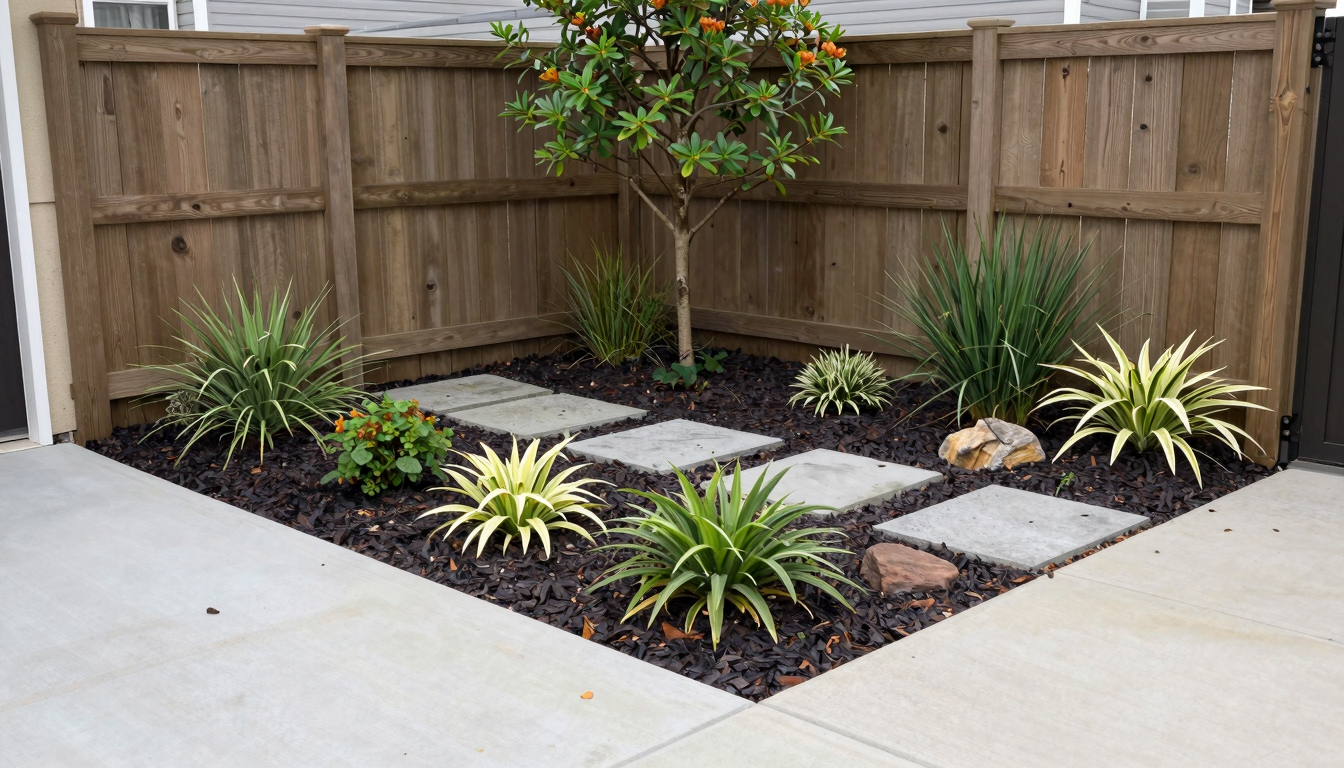
Affordable Backyard Landscaping Ideas for Small Spaces
Transforming a small backyard into a beautiful oasis doesn’t have to break your bank. With a few creative and affordable landscaping ideas, you can maximize your space while keeping your budget in check. Whether you’re looking to create a relaxing retreat, a cozy gathering spot, or a playful family area, there are plenty of options to consider.
Use Vertical Space Wisely
In small backyards, employing vertical space can make a huge difference. Instead of extensive flower beds or large shrubs, think upwards. Here are some cost-effective ideas:
- Vertical Gardens: Use pallets or hanging planters to create a living wall. You can grow herbs, flowers, or small vegetables.
- Wall Planters: Install planters on fences or walls. This saves ground space and adds greenery at eye level.
- Trellises: Add a trellis for climbing plants like beans or sweet peas. This can provide privacy while being functional.
Utilize Patio or Decking Areas
Invest in a small patio or deck to create an inviting space without expansive landscaping. Here’s how:
- DIY Patios: Use concrete pavers, or gravel for a simple and affordable DIY patio. These materials are easy to find and set up.
- Outdoor Furniture: Choose foldable furniture to save space. Tables and chairs can be easily stored when not in use.
- Rugs: A good outdoor rug can help define your patio area, making it feel cozy and inviting.
Opt for Low-Maintenance Plants
Maintaining a yard can be time-consuming, especially if you have limited space. Choose plants that require minimal care. Consider:
- Sedums and Succulents: These hardy plants thrive in small spaces and require minimal water.
- Perennials: Invest in perennials that bloom each year without needing replanting, such as daylilies or hostas.
- Native Plants: Opt for local flora that adapts well to your climate, reducing care needs and costs.
Incorporate Hardscaping Elements
Hardscaping can enhance the functionality of a small space. Consider incorporating:
- Paths: Use inexpensive materials, like gravel or mulch, to create paths that lead through your garden.
- Borders: Install wood or stone borders to define plant areas and maintain a tidy look.
- Fire Pit: A small fire pit can become a gathering spot. You can build one from inexpensive materials or buy a portable option.
Focus on Outdoor Lighting
Good lighting can create ambiance and make a small backyard feel larger. Options include:
- String Lights: Hang string lights around the patio or garden. They add charm and atmosphere for evening gatherings.
- Solar Lights: Install solar-powered garden lights along paths or around flower beds. They are energy-efficient and easy to set up.
- Lanterns: Use lanterns on tables or hang them for soft lighting that enhances the outdoor experience.
Incorporate Water Features
Water features can add tranquility to your backyard without taking up much space. Consider:
- Small Fountains: A compact fountain can be a serene focal point and attract birds.
- Container Ponds: Use a large tub or container to create a small pond with plants and fish.
- Water Bowls: Simple ceramic bowls filled with water can serve as mini water features, perfect for small spaces.
With these affordable backyard landscaping ideas, you can create a small but stunning outdoor area that reflects your personality and meets your needs. Remember, a little creativity and smart organization can turn any compact space into a charming retreat for relaxation and enjoyment.
Creative Container Gardens to Maximize Small Areas
Creating a beautiful garden in a small space can feel challenging, but with a bit of creativity, you can transform even the tiniest areas into vibrant oases. Container gardening is an excellent solution that maximizes your potential for growing plants in limited spaces. Here are some innovative ideas to help you make the most of your small area with creative container gardens.
Choosing the Right Containers
The first step in starting your container garden is selecting the right containers. You don’t have to stick with traditional pots; think outside the box! Consider using:
- Old wooden crates or pallets for a rustic look.
- Metal buckets that can add a charming industrial touch.
- Hanging baskets for those areas where ground space is limited.
- Recycled items like shoe organizers or tin cans for a quirky vibe.
Make sure the containers have proper drainage to keep plants healthy and thriving.
Vertical Gardening Solutions
When space is limited, going vertical is your best bet. Vertical gardening not only saves space but also creates a stunning visual appeal. Here are some ideas to try:
- Install wall planters or trellises to grow climbing plants like peas, beans, or flowering vines.
- Use tiered plant stands to display multiple pots in a smaller footprint.
- Wall-mounted shelving can hold small containers and add dimension to your garden.
By thinking vertically, you can create an impressive garden display without taking up too much ground space.
Mixing Edibles and Ornamentals
Make your container garden not just beautiful but also useful! Mixing edible plants with ornamentals can enhance the aesthetics while providing fresh produce. Consider combining:
- Herbs like basil, rosemary, and thyme with colorful flowers for a fragrant display.
- Cherry tomatoes are not only delicious but also produce attractive foliage and fruit.
- Salad greens mixed with marigolds can deter pests while adding vibrant colors.
This approach ensures that your garden remains productive and visually appealing.
Utilizing Different Plant Heights
In a small space, varying the height of your plants can create a more dynamic and engaging garden. Use tall plants like sunflowers or hollyhocks in the back or center of containers, while shorter herbs or flowers can occupy the front. Layering plants by height adds depth and dimension to your container garden, making it more inviting.
Maximize with Multi-Purpose Containers
Choose containers that serve more than one purpose. For instance, benches or tables with built-in planters can serve as seating while providing room for your plants. Look for:
- Storage ottomans that are also planter boxes.
- Side tables with space for herbs or small flowers.
- Old wheelbarrows turned into planters that can also be moved easily.
This approach not only saves space but also adds character to your garden.
Seasonal Plant Rotation
To maintain an engaging container garden year-round, consider seasonal plant rotation. You can change out plants based on the seasons, ensuring a fresh look and diverse blooms. From vibrant spring flowers to hardy winter greens, the variety keeps your garden exciting and lively throughout the year.
Essential Care Tips
Your creative container garden will thrive with a little TLC. Keep these care tips in mind:
- Water regularly, especially in summer, as containers can dry out quickly.
- Fertilize every few weeks to boost plant growth.
- Regularly check for pests and diseases to keep plants healthy.
These small actions can lead to flourishing plants and a lovely garden space.
Maximizing your small outdoor area with a container garden allows you to enjoy the beauty of nature without needing a large yard. By using creative containers, employing vertical gardening techniques, and incorporating both edible and ornamental plants, you can create an attractive and functional garden that brings joy to your small space.
Using Vertical Gardening Techniques for Compact Yards
If you feel limited by your compact yard, vertical gardening can open up a world of opportunities. This innovative technique allows you to maximize space and create a lush green oasis, even in the smallest areas. Let’s explore how you can make the most of your small outdoor space through vertical gardening techniques.
Understanding Vertical Gardening
Vertical gardening involves growing plants upwards rather than outwards. By using walls, fences, or specially designed structures, you can cultivate herbs, vegetables, and flowers in a way that enhances your yard’s beauty without taking up much ground space. Here are some key benefits:
- Space-Saving: Vertical gardening uses height, allowing you to grow a variety of plants in minimal space.
- Improved Airflow: Plants that are spaced apart allow for better air circulation, reducing the risk of disease.
- Stylish Aesthetics: A vertical garden can be a stunning visual element in your yard, providing a focal point.
- Accessibility: Raised beds and wall planters can make gardening easier for individuals with mobility issues.
Choosing the Right Structures
When planning your vertical garden, selecting the right structures is crucial. The options are numerous, so consider what best fits your style and needs:
- Trellises: These are great for climbing plants like peas, beans, and cucumbers. They provide support while adding height to your garden.
- Wall Planters: Installing vertical planters or pockets against a wall can create an impressive display for herbs and flowers.
- Hanging Baskets: Perfect for cascading plants, hanging baskets can be suspended from hooks or brackets.
- Vertical Garden Kits: Many stores offer kits designed specifically for vertical gardening, including pre-made structures that are easy to install.
Choosing the Right Plants
Not all plants thrive in vertical gardening setups, so it’s important to choose wisely. Consider these options that do well in vertical spaces:
- Herbs: Basil, parsley, and chives can grow abundantly in vertical gardens.
- Succulents: These low-maintenance plants are great for wall planters due to their drought resistance.
- Flowers: Petunias and nasturtiums can bring vibrant color to vertical spaces.
- Leafy Greens: Spinach, lettuce, and kale can be easily grown in vertical setups, providing fresh produce.
Creating an Attractive Design
Your vertical garden should not only be functional but also visually appealing. Here are some design tips:
- Layering: Use various plant heights to create depth. Taller plants at the back and shorter ones at the front can create a beautiful layered effect.
- Color Coordination: Choose plants with complementary colors to enhance the overall look of your garden.
- Texture Variety: Mixing foliage types adds interest. Combine smooth leaves with spiky or fuzzy leaves for a dynamic visual.
- Consider Sunlight: Ensure your plants are positioned according to their light needs. Group those requiring similar sunlight for best results.
Maintenance Tips
Maintenance is key to a thriving vertical garden. Here are some straightforward tips to keep your plants healthy:
- Watering: Pay attention to the water needs of your plants. Vertical gardens may dry out quicker, so regular checking is important.
- Fertilization: Use a balanced fertilizer to ensure your plants receive the nutrients they need to grow strong.
- Pruning: Regularly trim plants to encourage new growth and prevent overcrowding.
- Monitoring for Pests: Check your plants for signs of pests or disease and address any issues promptly.
Embracing vertical gardening techniques can transform your compact yard into an inviting green space. By creatively utilizing structures and selecting the right plants, you can enjoy a flourishing garden that enhances your home’s outdoor aesthetic. So, grab your tools and start your vertical gardening journey today!
Budget-Friendly DIY Hardscaping Projects
Transforming your outdoor space doesn’t have to break the bank. With a bit of creativity and hard work, you can embark on budget-friendly DIY hardscaping projects that add beauty and functionality to your yard. Here are some ideas to help you get started on enhancing your landscape without overspending.
Stone Pathway
A simple stone pathway can greatly improve the aesthetics of your backyard. You can create this project using reclaimed stones, budget-friendly pavers, or even bricks. Here’s how:
- Plan Your Path: Determine the path’s route and width that suits your yard.
- Gather Materials: Look for affordable stones or pavers at local home improvement stores or second-hand shops.
- Prepare the Ground: Remove grass and roots along the planned path. Ensure the ground is level and firm.
- Lay the Stones: Place the stones closely, ensuring there are no gaps between them. Fill any spaces with gravel or sand for a polished look.
DIY Fire Pit
A fire pit not only serves as a great social spot but also enhances your backyard’s charm. Here’s how to make one:
- Choose a Location: Find a level area away from overhanging branches and structures.
- Select Your Materials: You can use bricks, stones, or concrete blocks, all of which are budget-friendly options.
- Create a Circle: Arrange your material in a circle, leaving space for a gap to start the fire.
- Ensure Safety: Line the bottom with gravel and avoid sitting on the edge excessively, ensuring the pit is safely contained.
Garden Seating
Adding seating can make your backyard more inviting. You don’t need expensive furniture; here are some ideas:
- Wood Pallet Benches: Reclaimed wooden pallets can be stacked and secured to create rustic benches.
- Log Seats: If you have access to logs from cut trees, they can serve as natural seating. Just smooth the edges for safety.
- Concrete Blocks: Arranging concrete blocks in strategic locations can create durable and weather-resistant seating areas.
Decorative Gravel Areas
Using gravel for landscaping is not just affordable but also allows for creativity. Here’s how to use gravel effectively:
- Define Your Space: Use garden edging to define a section of your yard for a gravel area.
- Choose Your Gravel: Select colorful or smooth gravel that matches your desired aesthetic.
- Layer It Up: Pour a layer of gravel over landscaping fabric to prevent weeds from growing through, ensuring easy maintenance.
Raised Garden Beds
Creating raised garden beds enhances your landscaping while providing a perfect spot for growing vegetables or flowers. Follow these steps:
- Gather Materials: Use wood, bricks, or even recycled materials like old tires.
- Decide on Size: Determine the dimensions that fit your backyard while being easy to reach.
- Assemble the Bed: Construct the sides, making sure they are deep enough for root growth.
- Add Soil and Plants: Fill with high-quality soil and plant your favorite greens or blooms!
Outdoor Lighting
Lighting can dramatically change the ambiance of your backyard. Consider these affordable ideas:
- Solar Lights: Inexpensive solar garden lights can be placed along pathways or around seating areas.
- String Lights: Hang LED string lights across a patio or seating area for enchanting evening warmth.
- DIY Lanterns: Use jars or empty bottles as lanterns, adding candles or LED lights for a cozy glow.
With these budget-friendly DIY hardscaping projects, you can enjoy creating a beautiful outdoor environment that reflects your style. Remember, your backyard is an extension of your home, so put your unique stamp on it and make it a space that you truly love.
Low-Maintenance Plants Perfect for Small Backyards
Living in a small space shouldn’t prevent you from enjoying the beauty of nature. With the right selection of plants, you can create a lush garden that requires minimal upkeep. Here’s a list of low-maintenance plants perfect for small backyards. These choices not only add vibrancy but also simplify your gardening efforts.
One of the best options for small yards is the ornamental grass. These grasses come in various heights and colors, making them versatile for any garden design. They need little water and can tolerate diverse soil types. Consider these popular varieties:
- Blue Fescue: This clump-forming grass has a unique blue-green hue and stays compact.
- Feather Reed Grass: With its tall, upright form, this grass adds a dramatic flair without taking up too much space.
- Japanese Blood Grass: Featuring vibrant red-tipped blades, it adds interest and works well in sunny spots.
Another fantastic choice is succulents. These resilient plants come in many shapes and sizes, often featuring stunning colors and textures. They thrive in poor soil and require minimal watering, making them ideal for busy gardeners. Here’s a brief overview of popular succulent types:
- Echeveria: Known for its rosette shape and lovely pastel colors, Echeveria makes an excellent focal point in pots.
- Hens and Chicks: These rosette-shaped plants spread easily and can fill in rocky or barren patches.
- Jade Plant: This classic succulent thrives indoors and outdoors, requiring only occasional watering.
Herbs are another great category of low-maintenance plants. Not only do they enhance your cooking, but they also need minimal care if planted in well-draining soil. Here are some excellent options to consider:
- Thyme: This hardy herb can tolerate drought and thrives in sunny locations.
- Oregano: Perfect for culinary use, oregano is easy to grow and gives your backyard a Mediterranean feel.
- Basil: A favorite in many dishes, basil can be potted or planted directly in the garden.
Please do not overlook perennials. These plants return year after year and require significantly less attention than annuals. Here’s a selection that flourishes in small backyards:
- Daylilies: Known for their stunning blooms, daylilies are adaptable and thrive in various conditions.
- Hostas: If you have shade, hostas come in countless varieties, providing lush leaves and vibrant colors.
- Sedum: These succulent-like perennials are drought-resistant and add a lovely texture to your garden.
Native plants into your small backyard is another wonderful idea. Native species are often adapted to your local climate and tend to require less water and maintenance. Depending on your region, you might consider:
- Black-eyed Susans: These bright yellow flowers attract pollinators and thrive in full sun.
- Lavender: This aromatic plant not only smells great but also invites bees and butterflies to your garden.
- Coneflowers: With their striking petals and hardiness, coneflowers create visual interest with minimal effort.
Now, let’s not forget about flowering shrubs. They can work beautifully even in smaller spaces, adding instant color and charm. Here are a few options that require little care:
- Boxwood: Easy to shape and maintain, boxwood makes a perfect low hedge.
- Hydrangeas: With their beautiful blooms, these shrubs thrive in part sun and can be pruned once a year.
- Spiraea: Known for their clusters of small flowers, these hardy shrubs are easy to grow and maintain.
Creating a vibrant garden in a small backyard doesn’t have to be a daunting task. By choosing low-maintenance plants that suit your space, you’ll enhance your outdoor area while enjoying less stress and more relaxation. Embrace the beauty of nature, and let these plants work their magic in your small garden.
Conclusion
By embracing these affordable backyard landscaping ideas for small spaces, you can transform your outdoor area into a serene escape without breaking the bank. Creative container gardens are an excellent way to bring life to your yard while maximizing even the tiniest of spaces. With various pots and planters, you can add color and texture right where you need it.
Consider incorporating vertical gardening techniques as well; these not only save space but also create stunning visual interest. Whether you opt for wall planters or trellises, you can grow a variety of plants upward, leaving more ground space open.
Budget-friendly DIY hardscaping projects offer another layer of personal touch to your backyard. Simple additions like gravel paths or rustic seating areas can enhance your yard’s functionality while being friendly on your wallet.
Furthermore, choosing low-maintenance plants is crucial for keeping your yard looking great with minimal effort. Opt for hardy species that thrive in your local climate, ensuring that your garden remains vibrant year-round with little upkeep.
All these strategies can help you create a delightful outdoor oasis tailored perfectly for smaller spaces. With a little creativity and some practical design hacks, you can enjoy a beautiful and functional backyard that fits your lifestyle and budget. So gather your supplies, unleash your creativity, and watch your dream garden come to life right outside your door.
Leave a Reply