Artificial Turf Installation
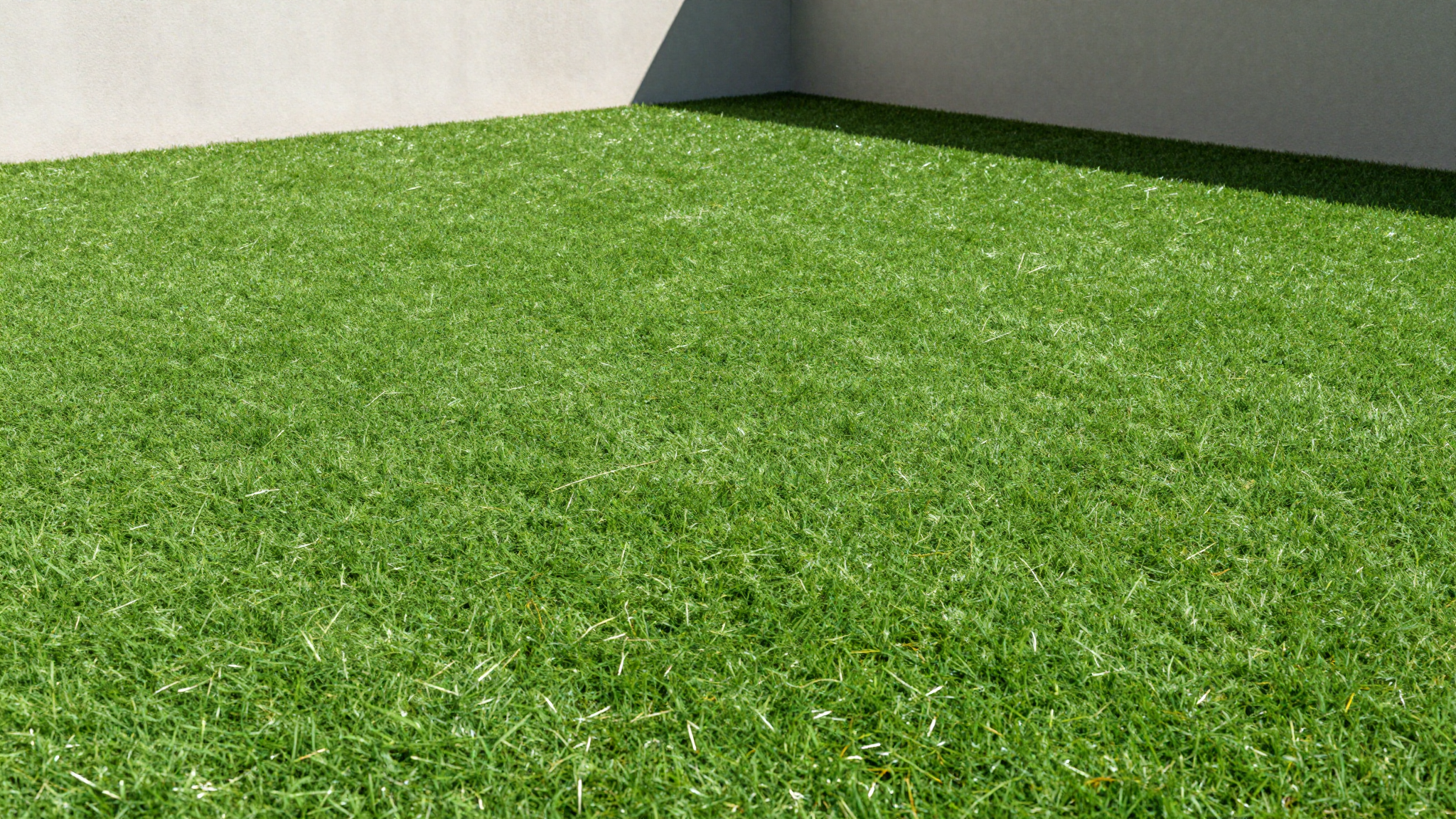
The Benefits of Artificial Turf Installation for Homeowners
When it comes to landscaping options, artificial turf installation stands out as a practical and appealing choice for homeowners. Offering a variety of advantages, it transforms outdoor spaces while minimizing upkeep efforts. Let’s dive into the top benefits you can enjoy by choosing artificial turf for your home.
Low Maintenance Requirements
One of the primary reasons homeowners choose artificial turf installation is its low maintenance needs. Unlike natural grass, which requires mowing, watering, and fertilizing, artificial turf keeps your yard looking lush without the demanding upkeep. This gives you more free time to enjoy your outdoor space rather than spending it on chores like mowing the lawn.
Water Conservation
With the increasing emphasis on sustainability, artificial turf installation plays a significant role in conserving water. Natural lawns can require a substantial amount of water to stay green and healthy, especially in dry climates. By opting for synthetic grass, you reduce the need for irrigation, which not only saves water but also promotes a more eco-friendly home.
Durability and Longevity
Artificial turf is designed to endure various weather conditions. It remains green and intact even under heavy foot traffic, making it ideal for families with kids and pets. The materials used in artificial grass have a long lifespan, ensuring that your investment will last for many years with minimal wear and tear. This durability means you won’t need to replace your lawn every few years, contributing to long-term savings.
Allergy-Friendly Option
For many, natural grass can trigger allergies due to pollen and other environmental factors. Choosing artificial turf installation eliminates many of these allergic reactions. With synthetic grass, you can enjoy your backyard without worrying about sneezing fits or itchy eyes from irritating allergens.
Year-Round Greenery
Another compelling reason to consider artificial turf is the year-round greenery it provides. Unlike natural lawns that may succumb to droughts, extreme weather, or seasonal changes, synthetic grass stays vibrant throughout the year. No more brown patches or seasonal upkeep; your lawn will look immaculate regardless of the season.
Enhanced Aesthetics
Many homeowners appreciate the visual appeal of artificial grass. Available in various shades and styles, you can choose the perfect look to complement your home. The ability to maintain a verdant appearance year-round elevates your property’s overall aesthetic and can even increase its market value.
Safety Features
Modern artificial turf is often made with safety in mind. Many options feature shock-absorbing layers to reduce the risk of injuries during play. This makes artificial grass a safer choice for children and pets, providing peace of mind for families looking to create a fun yet safe outdoor environment.
Cost-Effective Investment
Initially, artificial turf installation might appear costly. However, when you factor in the savings over time, it becomes a more affordable choice.
- No need for ongoing maintenance services like lawn care.
- Reduced water bills from decreased irrigation needs.
- You won’t need to purchase fertilizers or pesticides.
When you add up all these savings, the upfront investment can quickly pay for itself through lower ongoing costs.
Versatile Uses
Artificial turf installation allows for versatile uses across your property. Whether you want to create a play area for children, a pet-friendly zone, or a stylish patio space for entertaining, synthetic grass fits seamlessly into any design. Its versatility makes it an excellent choice for homeowners looking to optimize their outdoor spaces creatively.
The advantages of artificial turf installation are numerous. From its low maintenance requirements to its allergy-friendly nature and cost-effectiveness, it offers a convenient and attractive solution for homeowners. Embrace the benefits of synthetic grass and transform your lawn into a beautiful, functional oasis. Making this choice will not only enhance your outdoor experiences but also improve the sustainability and beauty of your home.
Essential Preparation Steps Before Installing Artificial Turf
Installing artificial turf can transform your outdoor space, providing a lush, green area that’s easy to maintain. However, before diving into the installation process, it’s crucial to prepare your site properly. Below are essential preparation steps to ensure a successful artificial turf installation.
Assess Your Space
Begin by evaluating the area where you plan to install the artificial turf. Measure the dimensions accurately to determine how much turf you will need. Consider the following:
- Existing conditions: Look for any slopes, drainage problems, or uneven patches in the ground.
- Sunlight exposure: Note the areas that receive full sun, partial shade, or full shade. This will help you choose the right type of turf.
- Intended use: Identify how you plan to use the space. Is it for play, relaxation, or landscaping?
Gather Necessary Tools and Materials
Having the right tools and materials on hand will save you time and frustration during installation. Here’s a checklist of what you may need:
- Artificial turf rolls
- Infill material (like sand or rubber)
- Landscape fabric
- Soil compacting equipment
- Utility knife or turf cutter
- Rake and shovel
- Measurement tape
- Seaming tape and adhesive
- Wheelbarrow
Remove Existing Grass and Debris
One of the most vital steps in preparation is clearing the site. If there’s natural grass, use a sod cutter or shovel to remove it. Make sure to eliminate any roots, rocks, or debris that might interfere with your installation. This process creates a clean slate for laying the turf. Ensure the area is level, as this will help with drainage and the overall appearance of your yard.
Grade and Level the Ground
If your space has any unevenness, it’s vital to grade and level the ground. Here are the steps to achieve this:
- Fill in any low spots with soil or sand, ensuring a flat surface.
- Compact the soil to make sure it’s stable.
- Check your leveling with a board or a long straight edge to ensure there are no dips or bumps.
Install a Weed Barrier
Applying a weed barrier is an important step to prevent any unwanted plants from growing through your new turf. Here’s how to do it:
- Lay down landscape fabric across the area where the artificial turf will go.
- Overlap seams to ensure complete coverage.
- Secure the fabric with landscape staples to keep it in place.
Plan for Drainage
Proper drainage is essential for any outdoor surface, including artificial turf. Without adequate drainage, rainwater can accumulate, leading to a muddy and unusable space. Consider these drainage solutions:
- Ensure the ground has a slight slope away from buildings and structures.
- Install drainage pipes if needed, particularly in areas with heavy rainfall.
- Use a layer of crushed stone beneath the turf to promote water flow and avoid puddles.
Prepare for Infill Material
Infill material plays a vital role in the performance of artificial turf. It adds weight, helps with drainage, and keeps the turf blades upright. Before installation:
- Select the appropriate infill material based on the usage of the area.
- Ensure you have enough infill for proper coverage—typically, about 1 to 2 inches deep.
Final Inspection
Before you lay down your artificial turf, take one last look around. Check for any leftover debris or rough spots that need attention. Once everything is in order, you’re ready for the installation process. Taking the time to prepare properly will result in a beautiful, functional artificial turf area you’ll enjoy for years to come.
By understanding and following these preparation steps, you not only set the foundation for successful artificial turf installation but also enhance the durability and aesthetics of your new outdoor space. The extra effort you put into preparing will ensure a stunning, hassle-free landscaped area.
Comparing Costs: Artificial Turf vs. Natural Grass
When it comes to selecting the right type of surface for your lawn or sports facility, the comparison between artificial turf and natural grass is crucial, especially regarding cost. Both options offer unique benefits and challenges that can greatly impact your budget, yet understanding their long-term expenses will help you make an informed decision.
Initial installation costs are one of the first aspects to consider. The cost of artificial turf installation typically ranges from $5 to $20 per square foot, depending on the quality of the turf and the complexity of the installation. This price can include materials, labor, and any necessary preparation of the ground. In contrast, natural grass, while often less expensive at $1 to $5 per square foot for installation, demands ongoing expenses that can accumulate over time.
Once the initial installation is complete, you will find that maintaining both surfaces involves varying levels of financial commitments. Here are some key factors influencing the total cost:
- Watering: Natural grass requires regular watering, which can significantly drive up your water bill. Depending on the local climate, you may need to irrigate up to several times a week. In contrast, artificial turf requires virtually no water, making it a more economical choice for regions facing water scarcity.
- Fertilization: Maintaining natural grass means regular fertilizer applications to ensure its health and vibrancy. This can cost between $100 to $300 per year, depending on the size of the area. Artificial turf, however, eliminates this need, resulting in savings over time.
- Mowing: You will also need to mow natural grass frequently, either by hiring a service or maintaining equipment. Hiring a lawn care service can range from $30 to $100 per visit, adding up to hundreds of dollars annually. Conversely, artificial turf is maintenance-free in this aspect, saving you both time and money.
- Weed Control: Weeds are a constant struggle for natural grass owners, leading to expenses for herbicides. On average, weed management can cost $100 or more per year. Synthetic turf doesn’t have this issue, as it is specifically designed to resist weeds.
- Repairs: Wear and tear on natural grass can lead to costly repairs, especially in high-traffic areas. Artificial turf is durable and designed for extensive use, leading to fewer repair costs over its lifespan.
When considering the lifespan of your investment, this is another important aspect. Artificial turf can typically last between 15 to 20 years, making its initial cost more justifiable when amortized over time. Conversely, natural grass requires more frequent renovation, potentially every 5 to 10 years, adding to the overall costs.
In a more detailed breakdown, let’s examine the costs over a decade for a 1,000 sq. ft. area:
- Artificial Turf:
- Initial Installation: $10,000 (Assuming $10 per sq. ft.)
- Maintenance (minimal): $500 (Annual upkeep for cleaning, etc.)
- Total over 10 years: $10,000 + ($500 x 10) = $15,000
- Natural Grass:
- Initial Installation: $3,000 (Assuming $3 per sq. ft.)
- Maintenance Costs: $1,000 (Water, fertilizer, mowing, etc., per year)
- Total over 10 years: $3,000 + ($1,000 x 10) = $13,000
While the initial installation cost of natural grass may seem lower, the cumulative costs and increased maintenance can make artificial turf a more affordable option over time. Ultimately, the choice depends on your needs and circumstances, particularly your budget, usage, and long-term goals.
Weighing the costs between artificial turf installation and natural grass is essential. Factors such as maintenance, lifespan, and environmental conditions should all be taken into account. Whether you opt for the reliable convenience of artificial turf or the natural beauty of grass, understanding these financial implications will lead you to a well-informed decision.
Maintenance Tips for Long-Lasting Artificial Turf
Artificial turf is a great investment, offering lush, green spaces without the constant upkeep of natural grass. However, to keep your synthetic lawn looking its best and to extend its lifespan, regular maintenance is necessary. Here are some practical tips to help you maintain your artificial turf effectively.
Regular Cleaning
One of the easiest ways to maintain your artificial turf is through regular cleaning. Depending on the usage and weather conditions, you might want to clean your turf every few weeks. Here’s how:
- Remove Debris: Use a leaf blower or rake to gather leaves, twigs, and any trash.
- Hose Down: Occasionally, hose down your turf to remove dust and dirt. This will also help maintain that fresh look.
- Groom the Fibers: Use a stiff-bristled broom or a rake to fluff up any matted areas.
Addressing Stains Promptly
Stains can happen, whether from pets, food, or drinks. It’s vital to address these stains as soon as possible to prevent permanent damage.
- Pet Waste: Rinse the area with water and a mild soap solution. Use an enzymatic cleaner specifically designed for pet waste to neutralize odors.
- Food and Drinks: Blot the area immediately with a clean cloth. Follow up with a mixture of warm water and dish soap to keep the area fresh.
Manage Pet Activity
If you have pets that frequently use your artificial turf for play and bathroom breaks, additional care is essential. To make it easier:
- Designate a Pet Area: Create a specific space for your pets to play or relieve themselves. This way, they won’t damage the entire lawn.
- Regular Washing: Wash the affected areas frequently and ensure pets are rinsed off to minimize odor.
Weed Control
Though artificial turf is designed to minimize weed growth, some weeds can still find their way through. Here’s how to keep weeds at bay:
- Annual Inspection: Check your turf regularly for any signs of weeds trying to break through.
- Use a Weed Killer: If you find weeds, apply a safe herbicide specifically for synthetic lawns, or pull them out manually.
Regular Inspection
Schedule routine inspections of your turf to catch any potential problems early. Look for:
- Seams and Edges: Check to ensure seaming and edges are properly adhered and not pulling up.
- Drainage Issues: Confirm that drainage holes are clear. This is crucial to avoid pooling water during heavy rain.
Maintain the Infill
The infill maintains the integrity of your artificial turf and provides cushioning. To ensure optimal performance:
- Check Levels: Regularly check the infill levels; you may need to add more periodically.
- Choose the Right Infill: Make sure you’re using infill specifically designed for your type of artificial turf.
Protect from Extreme Weather
Protecting your artificial turf from extreme weather can prolong its life. When possible:
- Cover During Severe Weather: Use a tarp or cover during heavy storms or high winds.
- Avoid Salt and Chemicals: In winter, stay clear of salt and harsh chemicals often used for ice and snow management.
By following these maintenance tips, you can ensure that your artificial turf remains vibrant and functional for years to come. With simple care and attention, your synthetic lawn will provide a beautiful and durable alternative to natural grass, allowing you to enjoy your outdoor spaces without the usual hassles of lawn care.
Environmental Impact of Artificial Turf Installation: What You Need to Know
Artificial turf has gained immense popularity for sports fields, residential lawns, and commercial landscapes. While it offers aesthetic appeal and low maintenance, it’s vital to understand its environmental impact, especially regarding installation. Before deciding on artificial turf installation, consider how it affects the local ecosystem and the long-term sustainability of your property.
Water Conservation
One of the primary environmental benefits of artificial turf installation is water conservation. Natural grass requires a significant amount of water to stay lush and green. In contrast, artificial turf alleviates the need for irrigation systems, especially in arid regions where water scarcity is a pressing issue. This not only conserves a valuable resource but also reduces utility bills linked to water usage.
Reduction of Pesticides and Fertilizers
Another important aspect of artificial turf installation is the decrease in chemical use. With natural grass, homeowners and institutions often apply pesticides and fertilizers to maintain a healthy lawn. These chemicals can seep into the soil and water supply, potentially harming local wildlife and ecosystems. By opting for artificial turf, you reduce the likelihood of chemical runoff, benefiting the surrounding environment.
Enhancing Sports Playability
Artificial turf is designed for durability and consistent playability, creating safer conditions for athletes. Unlike natural grass, which can become muddy and uneven after heavy use or rainfall, artificial turf remains stable. This stability reduces injury risks, making it an excellent choice for schools and sports facilities. It ultimately encourages outdoor activity while ensuring safety for players.
Environmental Considerations
- Heat Retention: One significant downside of artificial turf is heat retention. The synthetic materials can absorb and radiate heat, making surface temperatures soar in sunny climates. This “urban heat island” effect may influence local temperatures, increasing the need for air conditioning in nearby buildings.
- Microplastics: Most artificial turfs are made of polyethylene or polypropylene, contributing to microplastic pollution. When the turf breaks down over time, tiny plastic particles can release into the environment, posing risks to wildlife and ecosystems.
- End-of-Life Disposal: Another concern is how to dispose of artificial turf once it’s no longer usable. Unlike organic materials which decompose, synthetic turf can occupy landfills for decades, creating long-term waste management issues.
Finding a Sustainable Option
For those looking to install artificial turf, it’s crucial to find sustainable options. Many companies now offer eco-friendly turf made from recycled materials that aim for a lower environmental impact. When purchasing turf, check for certifications that indicate a commitment to sustainability.
Recycling Programs
Consider organizations or manufacturers that provide recycling programs for artificial turf. Some companies will help you recycle your old turf rather than letting it end up in landfills. This approach promotes a circular economy and helps minimize your environmental footprint.
Maintenance of Artificial Turf
Understanding proper maintenance can also mitigate some of the environmental impacts of artificial turf. Regular cleaning can prolong its lifespan and reduce the need for replacement. Moreover, maintenance involves removing debris and rinsing the surface, which can be done efficiently to minimize water usage.
Best Practices for Low Impact
- Choose a product with UV protection to prevent fading and degradation.
- Incorporate natural infills like cork or coconut fiber instead of rubber, which may have environmental impacts.
- Be mindful of local wildlife; ensure the turf design allows for the natural movement of smaller animals.
While artificial turf installation offers numerous benefits such as water conservation and lower chemical usage, it also presents environmental challenges. From heat management to microplastic pollution, these factors must not be overlooked. As a responsible homeowner or facility manager, balancing these considerations will help you make informed decisions that benefit both your landscape and the planet.
Conclusion
Artificial turf installation presents a fantastic opportunity for homeowners looking to enhance their outdoor spaces without the hassle of maintaining natural grass. The benefits are clear: reduced water usage, minimal upkeep, and the ability to enjoy a lush, green lawn year-round. It’s important to remember that a successful installation begins with thorough preparation. Taking the time to measure your space, clear debris, and level the ground ensures a smooth process and an attractive end result.
When comparing costs between artificial turf and natural grass, it’s crucial to consider both initial investment and long-term savings. While the purchase and installation price of synthetic grass might be higher upfront, the reduction in water bills, maintenance costs, and the longevity of turf make it a practical choice over time.
To maximize your investment, regular maintenance is key. Simple tasks like brushing and rinsing the surface will keep your artificial lawn looking fresh and new. Additionally, understanding the environmental implications of artificial turf is essential. While it uses fewer resources compared to natural grass, considerations such as drainage and heat retention should inform your decision-making process.
By weighing the pros and cons, preparing adequately, and committing to proper maintenance, you can enjoy the transformation that artificial turf brings. With the right approach, your artificial grass will not only be an attractive feature but will also contribute to a more sustainable lifestyle.