Weed And Pest Control (eco-safe Methods)
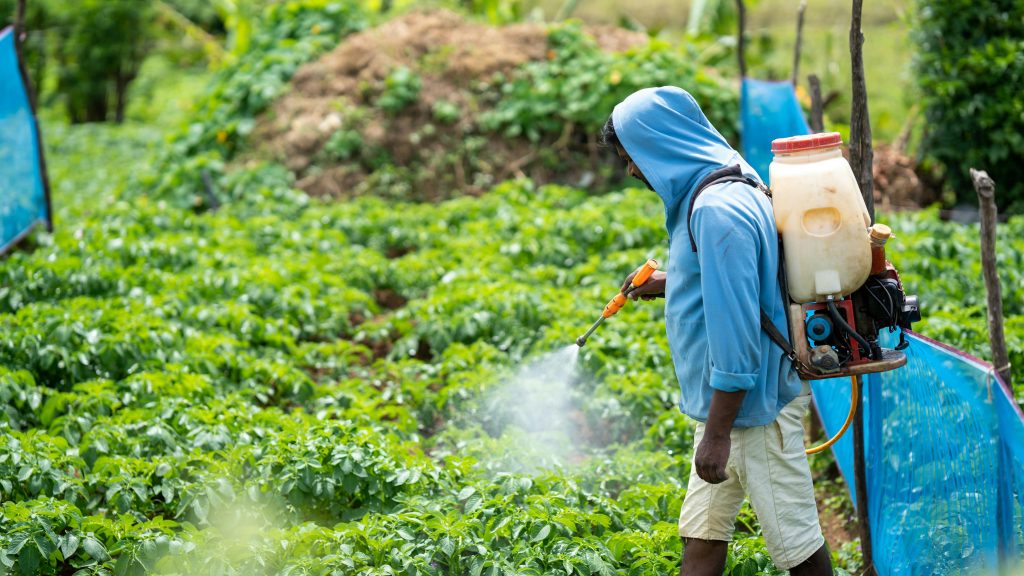
Eco-Safe Methods for Effective Weed and Pest Control
Managing weeds and pests in your garden or yard doesn’t have to involve harmful chemicals. Eco-safe methods provide not only effective solutions but also protect the environment and your health. These natural alternatives are gaining popularity among gardening enthusiasts and eco-conscious homeowners alike. By employing these strategies, you can maintain a beautiful space free from the harmful effects of conventional pesticides and herbicides.
Understanding Eco-Safe Weed Control
Weeds can be a gardener’s worst nightmare, robbing your plants of essential nutrients, water, and sunlight. However, you can tackle these invaders through several eco-friendly techniques:
- Mulching: Applying organic mulch, such as straw or wood chips, can suffocate weed seeds. Mulch also retains soil moisture and adds nutrients as it decomposes.
- Hand Pulling: While labor-intensive, regularly pulling weeds by hand can effectively control their population. Be sure to remove the entire root to prevent regrowth.
- Boiling Water: Pouring boiling water on weeds is a simple yet effective method. The heat instantly kills unwanted plants, making this a quick solution. Just be cautious to avoid your desired plants!
- Organic Herbicides: Products based on vinegar or citric acid can serve as natural herbicides. These solutions target weed growth without harming the environment.
Pest Control without Chemicals
When approaching pest control, it’s crucial to consider methods that do not harm beneficial insects, pets, or your family. Here are several eco-safe tactics to consider:
- Companion Planting: Some plants naturally repel pests. For example, marigolds can deter nematodes, while basil can help ward off flies and mosquitoes. Mixing these plants with your main crops creates a natural barrier.
- Beneficial Insects: Introducing ladybugs, lacewings, and predatory wasps can keep pest populations in check. These insects are nature’s small soldiers against aphids, caterpillars, and other troublesome pests.
- Neem Oil: This natural insecticide derived from the neem tree is effective against various insects. It’s safe for plants and will not harm beneficial insects when used correctly.
- Soap Sprays: A simple mixture of water and mild soap can wash away pests. This is effective against soft-bodied insects like aphids and spider mites.
Preventative Measures for Long-Term Control
Proactive steps can lead to a naturally harmonious environment for your plants and deter weeds and pests:
- Healthy Soil: Start with rich, nutrient-dense soil. Healthy plants are more resilient to pests and diseases. Regularly amend your soil with compost and organic fertilizers to promote plant health.
- Crop Rotation: Change the location of your plants every season. This stops pests that thrive on specific plants from settling in.
- Regular Monitoring: Keep an eye on your garden. Early detection of pests allows for immediate action and can minimize damage.
The Benefits of Eco-Safe Methods
Using eco-safe methods for weed and pest control has numerous advantages:
- Healthier Environment: Reducing chemical usage protects local wildlife, soil health, and water sources.
- Safe for Families and Pets: Natural methods ensure that your garden can be a safe place for children and pets to play.
- Cost-Effective: Many eco-friendly solutions utilize household items, reducing the need for expensive pesticides and herbicides.
Embracing eco-safe methods for weed and pest control allows you to nurture your garden while protecting the environment. By implementing these strategies, you’ll enjoy a thriving landscape that’s not only beautiful but also sustainable. Start small, choose one method that resonates with you, and gradually integrate these techniques into your gardening routine for impressive results.
The Benefits of Organic Alternatives in Gardening
Gardening enthusiasts are continually searching for ways to create beautiful and bountiful gardens without harming the environment. One effective solution lies in the use of organic alternatives. Choosing organic methods not only enhances plant health but also promotes biodiversity and soil vitality. Let’s explore the many advantages that organic gardening offers.
Improved Soil Health
Using organic alternatives improves the quality of soil over time. Traditional chemical fertilizers may temporarily boost plant growth, but they often deplete essential nutrients and harm the beneficial microorganisms in the soil. Organic materials such as compost, manure, and mulch enrich the soil by enhancing its structure and increasing the availability of nutrients.
Environmental Protection
Organic gardening methods contribute significantly to the protection of the environment. Rather than relying on toxic pesticides and herbicides, organic gardeners utilize natural pest control methods such as companion planting, beneficial insects, and organic repellents. This approach minimizes chemical runoff that can contaminate local waterways, thus preserving natural ecosystems.
Creating a Healthy Ecosystem
By choosing organic gardening practices, you can foster a thriving ecosystem in your backyard. Chemical treatments often disrupt local wildlife, but organic gardening encourages a diverse range of beneficial insects, birds, and microorganisms. These creatures help pollinate plants, control pests, and contribute to overall ecosystem stability. This balance allows for a more resilient garden that can withstand challenges from pests and disease.
Better Plant Nutrition
Plants grown conventionally may contain pesticide residues, which can be harmful to human health. Organic gardening focuses on natural growth techniques, resulting in healthier fruits and vegetables. Studies show that organic produce often has higher levels of nutrients like antioxidants, vitamins, and minerals. These compounds are beneficial for your overall health, helping to strengthen the immune system and reduce the risk of chronic diseases.
Flavor and Freshness
One of the most delightful benefits of organic gardening is the taste of the produce. Many gardeners claim that organic fruits and vegetables have superior flavor compared to their conventionally grown counterparts. This enhanced flavor is often attributed to the natural growing methods and the time taken to allow the plants to ripen fully on the vine. Additionally, reducing time between harvest and consumption means you enjoy fresher produce, retaining vital nutrients and delicious flavors.
Cost-Effectiveness
Initially, organic gardening may seem like a more expensive choice due to the cost of organic seeds and materials. However, with effective practices, you can save money in the long run. Here are some cost-effective organic strategies:
- Composting: Creating your compost reduces the need for commercial fertilizers.
- Seed Saving: Saving seeds from your plants can cut down the annual costs of buying new seeds.
- Homemade Pest Control: Making your pest remedies using household items can save money compared to store-bought organic pesticides.
- Planting Perennials: Investing in perennials can yield harvests for years while needing less upkeep.
Empowerment through Knowledge
Embracing organic gardening encourages you to learn more about the plants, soil, and ecosystem. This knowledge not only empowers you to take control of your gardening practices but also enhances your appreciation for nature. When you understand how natural systems work, you can make informed decisions that benefit both your garden and the environment.
Family and Community Involvement
Organic gardening can also serve as a wonderful family activity, providing opportunities to involve children in growing their food. Watching plants sprout and flourish becomes a learning experience, instilling an appreciation for nature and healthy eating. Additionally, you can foster community spirit by sharing your gardening experiences, exchanging produce and seeds, and even participating in local farmers’ markets.
Organic alternatives in gardening benefits not just you but also the environment, your health, and your community. Understanding these advantages can inspire more individuals to shift towards sustainable practices, ultimately leading to a greener, healthier planet.
How to Create a Nature-Friendly Pest Deterrent
Creating a nature-friendly pest deterrent is essential for maintaining a healthy and balanced ecosystem in your garden or yard. You can effectively keep pests away while ensuring safety for beneficial insects and the environment. Here are effective ways you can make your own eco-safe pest control methods.
Utilize Natural Ingredients
Using common household items or natural ingredients can make powerful deterrents without harmful chemicals. Here are some effective options:
- Garlic Spray: Blend a few garlic cloves with water, strain, and use this mixture as a spray. Most pests dislike the odor of garlic, making it an effective repellent.
- Soap and Water: A simple mix of liquid soap and water can suffocate soft-bodied insects like aphids and spider mites. Spray this mix directly onto affected plants.
- Cayenne Pepper: Mix cayenne pepper with water to create a potent spray. The hot flavor acts as a deterrent against many pests.
Plant Pest-Repelling Crops
Strategically choosing the plants in your garden can deter pests naturally. Here are some plants known for their pest-repelling qualities:
- Marigolds: Their scent is a natural deterrent to many common pests, including aphids and nematodes.
- Basil: This fragrant herb can repel flies and mosquitoes, making it a great companion plant in your garden.
- Nasturtiums: These colorful flowers attract aphids away from your vegetable plants, serving as bait to protect your crops.
Encourage Beneficial Insects
Some insects are natural predators of pests. By encouraging these beneficial insects, you can keep pest populations in check. Here’s how:
- Ladybugs: These insects love to munch on aphids. Planting flowers like dill, fennel, or yarrow will encourage ladybugs into your garden.
- Predatory Wasps: These wasps are effective against caterpillars and other pests. Care for flowering plants that attract these wasps.
- Bees: While primarily known for pollination, some bees can help control pest populations. Create a bee-friendly environment by avoiding pesticides and providing diverse flowering plants.
Natural Barriers
Physical barriers can significantly reduce pest access to your plants without resorting to harmful chemicals. Consider the following:
- Row Covers: Lightweight fabric can protect young plants from pests while allowing sunlight and moisture to reach the plants.
- Netting: Use fine mesh netting to shield fruits and vegetables from birds and larger pests.
- Mulching: A layer of organic mulch can deter some pests while retaining soil moisture and improving plant health.
DIY Traps
Creating traps with natural ingredients or non-toxic materials can help you monitor and control pest populations effectively.
- Beer Traps: Pour a little beer into shallow dishes and place them around your garden. This attracts slugs and snails, which drown in the liquid.
- Sticky Traps: Use yellow sticky paper to catch flying pests like whiteflies and fungus gnats.
Regular Maintenance
Maintaining your garden helps prevent pest infestations before they start. Here are some practices to follow:
- Keep Plants Healthy: Healthy plants are more resistant to diseases and pests. Water and fertilize them adequately.
- Regular Inspection: Routinely check plants for early signs of pest problems. Quick action can prevent an infestation.
- Clean Up Debris: Remove dead leaves, fallen fruits, and other debris that can harbor pests.
Creating a nature-friendly pest deterrent involves using natural ingredients, encouraging beneficial insects, and implementing strategic practices. By applying these eco-safe methods, you can protect your garden while preserving the environment.
Companion Planting: A Natural Approach to Pest Management
Are you looking for a natural way to manage pests in your garden? Companion planting might be the perfect solution for you. This method involves growing two or more plants together to enhance growth, improve flavor, and deter pests. By strategically pairing plants, you can create a harmonious ecosystem that benefits your garden without relying on harmful chemicals.
The idea behind companion planting is simple: certain plants can help each other to thrive while also warding off unwanted pests. For example, some plants can attract beneficial insects that prey on pests, while others may emit natural substances that repel harmful insects. Let’s explore how you can use companion planting as a natural approach to pest management.
Choosing the Right Plant Combinations
To get started with companion planting, it’s essential to know which plants work well together. Here are some popular pairings that can enhance pest control:
- Tomatoes and Basil: Basil not only enhances the flavor of tomatoes but also repels tomato hornworms and whiteflies.
- Carrots and Onions: Onions can deter carrot flies, making this pairing beneficial for both crops.
- Marigolds and Various Vegetables: Marigolds attract beneficial nematodes and other insects, keeping many garden pests at bay.
- Corn and Beans: Beans can climb up corn stalks while fixing nitrogen in the soil, which helps improve the health of corn.
- Cabbage and Nasturtiums: Nasturtiums act as a trap crop for aphids, keeping them away from the cabbage plants.
Creating a Balanced Garden Ecosystem
Companion planting focuses on creating a balanced garden ecosystem. When plants are grown together, they can support each other in several ways:
- Nutrient Sharing: Some plants can enhance soil health, making nutrients more available to neighboring plants.
- Shade Provisioning: Taller plants can provide shade for shorter ones, helping them thrive in varying conditions.
- Root Intermingling: Different root systems can break up soil, improving nutrient uptake and water accessibility.
Benefits of Companion Planting
In addition to pest control, companion planting offers several other advantages:
- Environmental Friendliness: With no reliance on chemical pesticides, your garden becomes safer for pollinators and other beneficial wildlife.
- Improved Soil Health: Certain plant pairings can help enrich the soil, promoting overall plant health and productivity.
- Crop Diversity: Growing a variety of plants can reduce the risk of disease, as pests and pathogens are less likely to spread.
Implementing Companion Planting in Your Garden
To successfully implement companion planting, start by planning your garden layout. Consider the height, spacing, and growth habits of the plants you intend to use. Here are a few tips to get you started:
- Research compatible plants and create a list of pairings suited for your local climate.
- Consider planting flowers like calendula or zinnias that attract beneficial insects.
- Rotate plants every growing season to maintain soil health and prevent pests from becoming accustomed to specific crops.
- Keep records of which combinations worked well in your garden to refine your strategies over time.
By embracing companion planting, you can enjoy a thriving garden while minimizing pest issues in a natural, eco-friendly way. It’s a strategy that not only enhances the beauty and productivity of your garden but also contributes to a healthier environment.
Engaging in companion planting may require some experimentation, but the rewards are well worth the effort. You’ll find yourself developing a keen understanding of which plants work best together, providing a sustainable approach to weed and pest control. So go ahead, get your hands dirty, and start planting with your companions in mind!
DIY Eco-Friendly Solutions for Common Garden Pests and Weeds
When it comes to maintaining a garden, you may face challenges from pesky weeds and pests. While chemical solutions are often the go-to for many, eco-friendly methods are not just better for the environment, but also safer for you, your pets, and beneficial insects. Here are some effective DIY solutions to tackle common garden pests and weeds while keeping your garden healthy and vibrant.
Natural Pest Deterrents
Start by understanding that some plants can naturally deter pests. Integrating these plants into your garden can create a healthy ecosystem:
- Marigolds: Their scent repels nematodes and other harmful insects.
- Basil: This herb not only enhances your dishes but also keeps flies and mosquitoes at bay.
- Lavender: The pleasing aroma is loved by humans but is disliked by moths, fleas, and mosquitoes.
Creating a mixed plant garden is also beneficial. By rotating crops and mixing plants like tomatoes with basil or carrots with onions, you can naturally confuse and deter pests.
Homemade Sprays for Pest Control
Another effective strategy involves preparing sprays from common household items. Here are some easy recipes:
Soap Spray
This spray suffocates soft-bodied insects like aphids and spider mites. To make it:
- Mix 1 tablespoon of liquid soap (not detergent) with 1 quart of water.
- Pour it into a spray bottle.
- Spray directly onto affected plants, ensuring to coat both the tops and bottoms of leaves.
Garlic Spray
Garlic is known to repel various pests. Prepare your own garlic spray by following these steps:
- Chop 2-3 cloves of garlic and soak them in 1 liter of water overnight.
- Strain the mixture and add a few drops of liquid soap.
- Spray this mixture on your plants to deter unwanted visitors.
Managing Weeds Naturally
Weeds can compete with your plants for valuable nutrients and space. Managing them with eco-friendly solutions is key.
Hand Pulling
One of the simplest methods is hand-pulling. Regularly checking your garden and removing weeds by hand can prevent them from spreading. Best to do this after a rain when the soil is soft.
Mulching
Applying a layer of mulch around your plants helps block sunlight, which weeds need to grow. Use materials such as:
- Bark chips
- Straw
- Grass clippings
Ensure that your mulch is organic to promote healthy soil. A 2 to 3-inch layer is recommended for the best results.
Companion Planting
Companion planting is another excellent eco-friendly method to control both pests and weeds. Certain plants can benefit each other by repelling pests and boosting growth:
- Nasturtiums: Plant them near brassicas to deter aphids.
- Chives: They not only enhance the flavor of your vegetables but also ward off pests like aphids and carrot flies.
By creating a diverse planting scheme, you can naturally encourage a balance that minimizes pests and weeds.
Encouraging Beneficial Insects
Another key strategy is to attract beneficial insects. Ladybugs and lacewings, for instance, are natural predators of aphids. You can encourage these helpful critters by:
- Planting flowers like dill, fennel, and yarrow.
- Avoiding chemicals that might harm them.
Creating a welcoming environment for these friends can significantly reduce pest populations while keeping your garden thriving.
Utilizing these eco-safe methods not only protects your garden but also contributes to a healthier planet. By incorporating these practices into your gardening routine, you create a sustainable environment that fosters plant growth while effectively managing pests and weeds.
Conclusion
Embracing eco-safe methods for weed and pest control not only protects your garden but also safeguards the environment. By exploring organic alternatives, you can promote plant health while reducing harmful chemicals that affect beneficial insects, soil health, and biodiversity. Creating a nature-friendly pest deterrent is both rewarding and effective; simple solutions like garlic spray or neem oil can help manage infestations without endangering your plants or the surrounding ecosystem.
Companion planting stands out as a powerful strategy in your garden arsenal. By strategically pairing plants, you can naturally repel pests and foster a thriving garden ecosystem that flourishes through mutual support. This simple yet profound technique demonstrates how nature’s balance works, often leading to healthier, more resilient plants.
If you’re keen to take action, consider DIY eco-friendly solutions for common garden pests and weeds. Ingredients found in your pantry or easily accessible store-bought items can be combined to create effective remedies. From vinegar solutions to essential oil sprays, these methods provide a hands-on approach to pest management that is safe for you, your plants, and your local wildlife.
Ultimately, implementing these eco-safe techniques helps pave the way for more sustainable gardening practices. When you choose to prioritize the health of your garden environment, you contribute to a greener future. Gardening can be an enjoyable journey, and with these strategies, you can cultivate a vibrant, pest-free space while caring for the planet.