
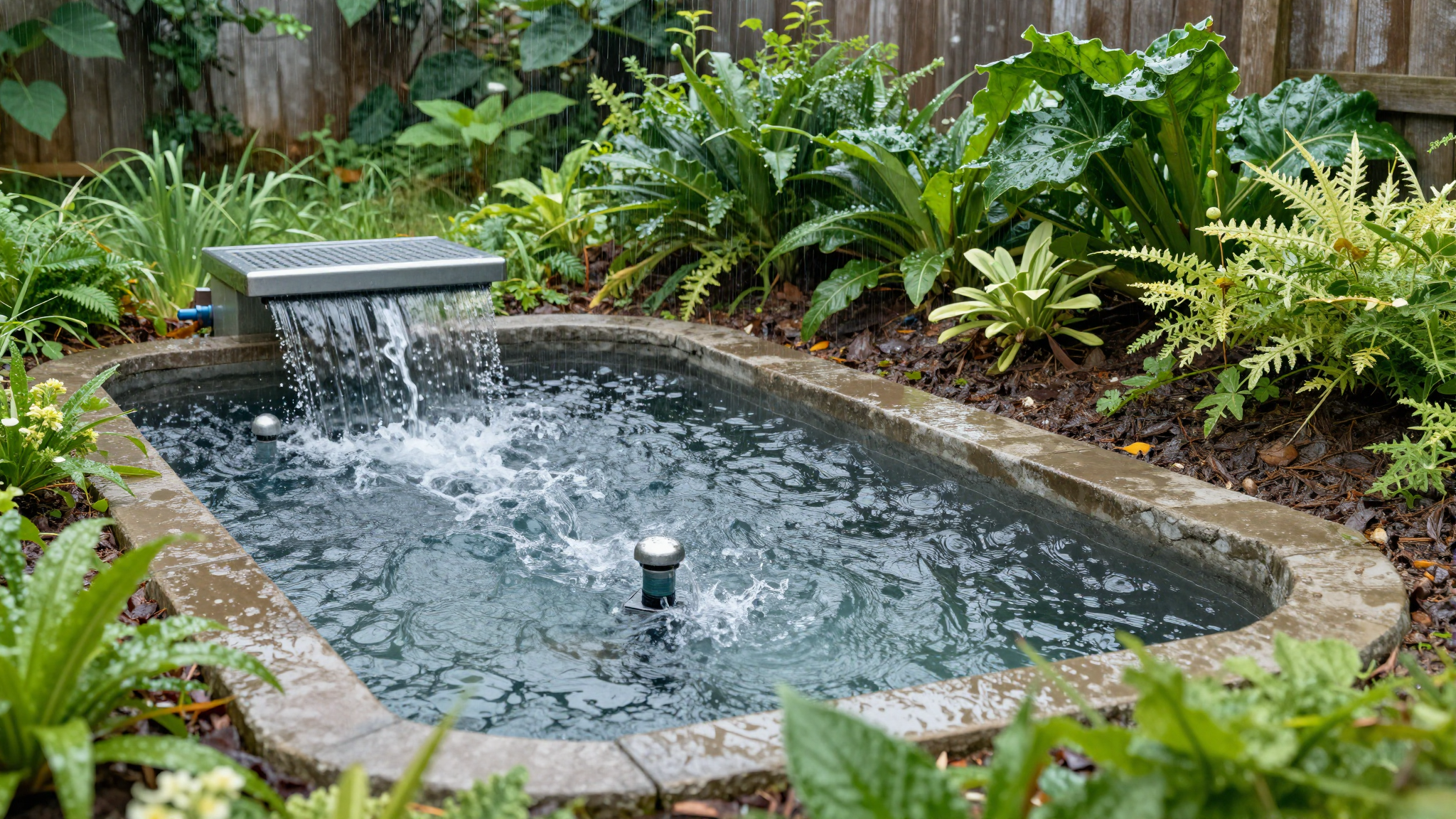
Rainwater Harvesting Techniques for Garden Integration
Rainwater harvesting in your garden can significantly enhance both sustainability and plant health. By capturing rainwater, you minimize your reliance on municipal water sources and make efficient use of a valuable natural resource. Here are some effective techniques to integrate rainwater harvesting into your gardening routine.
Choose the Right Collection System
Your first step in rainwater harvesting is selecting an appropriate collection system. There are several options, such as:
- Rain Barrels: Simple to install, rain barrels collect water directly from your roof. They come in various sizes and can be connected to downspouts.
- Rain Tanks: If you need to store larger volumes of water, consider using underground or above-ground tanks. These systems can hold thousands of gallons and can be fitted with pumps for ease of access.
- Roof Gardens: Integrating a green roof allows for rainwater to be collected and absorbed by plants while also providing insulation for your home.
Efficient Filtration and Maintenance
To ensure the safety and usability of the harvested rainwater, installing a filtration system is vital. Here’s how you can do this:
- First Flushing: Use a first flush diverter to prevent the initial dirty water from entering your storage tank. This water can wash off debris, leaves, and pollutants from the roof.
- Screen Filters: Install screen filters to keep out larger debris such as leaves and twigs before the water reaches the storage system.
- Regular Cleaning: Clean your rain barrels and gutters regularly to prevent algae buildup and keep your water supply fresh.
Integrating with Your Garden Design
Once you have collected rainwater, think about how to integrate it into your garden.
- Drip Irrigation: Setting up a drip irrigation system allows for efficient watering directly to the roots of your plants. This method minimizes evaporation and water waste.
- Soaker Hoses: You may also opt for soaker hoses that can be connected to your rainwater storage. These hoses release water along their length, soaking the soil evenly.
- Watering Cans: For potted plants or small garden plots, manually using a watering can filled with harvested rainwater can give you precision watering.
Benefits of Rainwater Harvesting in Gardens
Integrating rainwater harvesting into your gardening practices comes with numerous benefits:
- Reduces Water Bills: Utilizing rainwater for your garden means you’re drawing less from your municipal supply, which can lead to significant savings.
- Environmentally Friendly: Collecting rainwater promotes environmental sustainability by reducing stormwater runoff and groundwater depletion.
- Improves Plant Health: Rainwater is often softer than tap water and free from chemicals like chlorine, making it healthier for your plants.
- Increased Resilience: During dry spells, having a rainwater reserve can help maintain your garden’s health even when natural rainfall is scarce.
Consider Local Regulations
Before starting your rainwater harvesting system, it’s essential to check local regulations. Some areas have specific guidelines on how to collect and use rainwater. Compliance with these regulations ensures that you’re harvesting rainwater responsibly.
By implementing rainwater harvesting techniques in your garden, you create a thriving ecosystem that is beneficial for both you and the environment. You can enjoy a well-watered garden while helping to preserve our planet’s precious resources. Start small, choose a technique that works for you, and watch your garden flourish as you utilize one of nature’s most effective sources of irrigation.
Benefits of Using Collected Rainwater in Your Garden
Using collected rainwater in your garden offers numerous benefits that can enhance both your gardening experience and the environment. It’s a sustainable practice that provides valuable resources while promoting eco-friendly habits. Below are some key advantages of incorporating rainwater into your gardening routine.
Conserves Water Resources
By collecting rainwater, you significantly reduce your dependence on municipal water systems. This conservation helps preserve precious freshwater sources, which are increasingly under stress due to climate change and population growth. Utilizing rainwater for gardening means you can help maintain a healthy supply for future generations.
Cost-Effective Solutions
Using harvested rainwater can lead to substantial savings on your water bill. With the sky providing free water, your garden can thrive without draining your finances. A simple rain barrel can collect a significant amount of water that can last throughout dry spells. This cost efficiency not only benefits you but also promotes a more sustainable lifestyle.
Improves Plant Growth
Rainwater is naturally soft and contains fewer minerals compared to tap water. This means it’s not only cleaner but also gentler on your plants. It typically has a balanced pH, making it ideal for helping your garden flourish. The absence of chlorine and other chemicals commonly found in treated water allows plants to absorb nutrients more effectively, leading to lush and vibrant growth.
Reduces Erosion and Pollution
When rainwater flows over paved surfaces, it can pick up pollutants before entering lakes, rivers, and streams. Collecting rainwater reduces runoff, which in turn minimizes soil erosion. Erosion can degrade your garden’s soil quality and lead to a loss of vital nutrients. By using captured rainwater, you contribute to healthier garden soil and protect local waterways from contamination.
Supports Biodiversity
A garden that utilizes rainwater is often more resilient. Healthier plants attract diverse wildlife, including beneficial insects, birds, and pollinators. This increased biodiversity can help create a balanced ecosystem in your garden. More pollinators mean more fruits and flowers, enhancing the beauty and productivity of your outdoor space.
Simple to Implement
Setting up a rainwater harvesting system is easier than you might think. Here’s a simple breakdown of how to get started:
- Choose a collection system: This could be a rain barrel, a tank, or even a cistern.
- Determine your collection area: Make sure you have gutters and downspouts directing the rainwater into your container.
- Install a first-flush device: This prevents the first contaminated water from entering your collection system.
- Use filters: They can help ensure your collected water remains clean and safe for gardening.
Provides Flexibility in Watering Schedules
With a rainwater collection system in place, you have the flexibility to water your garden whenever you choose. During dry spells, you won’t have to worry about rationing municipal water; you can simply tap into your backup reservoir. This control allows you to provide your plants with the moisture they need, promoting healthy development and minimizing stress during tough weather conditions.
Enhances Sustainability Practices
Implementing rainwater harvesting is a step towards a more sustainable lifestyle. With growing concerns about water shortages and environmental preservation, integrating rainwater into your garden showcases your commitment to sustainability. By taking action and using natural resources wisely, you inspire others to consider eco-friendly practices in their own lives.
Utilizing collected rainwater can lead to numerous benefits for your garden. From conserving water resources and reducing costs to promoting plant growth and supporting biodiversity, rainwater harvesting is an excellent choice for any gardener. It’s an easy, effective way to help our planet while ensuring your garden thrives.
Designing a Garden that Maximizes Rainwater Usage
Designing a garden that maximizes rainwater usage is not just beneficial for the environment; it can also lead to a healthier, more vibrant garden. By integrating rainwater harvesting techniques into your garden design, you can create a sustainable landscape that conserves water and supports plant growth. Here are essential strategies to consider when planning your garden.
Understanding Rainwater Harvesting
Rainwater harvesting involves collecting and storing rainwater for later use. This practice helps reduce the demand on municipal water systems and lowers your water bill. The technique can be easily applied to any garden design, making it versatile for urban or rural settings.
Selecting the Right Location
Your garden’s layout should prioritize areas that naturally collect rainwater. Look for:
- Low Spots: These areas tend to gather water, making them ideal for planting moisture-loving plants.
- Downspouts: Position your garden near downspouts from your home’s gutters to capture excess rainwater effectively.
- Natural Slopes: Utilize the land’s natural slope to direct water flow towards designated planting areas.
Rain Gardens
Rain gardens are specially designed to absorb rainwater from impervious surfaces like driveways and roofs. These gardens not only help manage runoff but also enhance biodiversity. To create a rain garden:
- Choose a site that collects water.
- Excavate the area to a depth of 6-12 inches.
- Fill with a mixture of native plants that thrive in wet conditions. Examples include purple coneflower, black-eyed Susan, and goldenrod.
- Ensure proper drainage by planting in a sloped manner, allowing excess water to flow away gradually.
Using Rain Barrels
Rain barrels are a fantastic way to store rainwater collected from your roof. Here’s how you can incorporate them into your garden:
- Placement: Position the barrel near a downspout for easy water collection.
- Overflow System: Make sure your barrel has an overflow outlet to redirect excess water to your garden.
- Watering System: Use a soaker hose or drip irrigation system connected to the barrel for efficient watering.
Soil Improvement
Healthy soil can retain more water, making it essential for rainwater harvesting. Improve your soil by:
- Adding organic matter like compost to increase its water-holding capacity.
- Using mulch to reduce evaporation and maintain moisture levels.
- Aerating soil to improve drainage and root penetration.
Plant Selection
Choosing the right plants can significantly affect how well your garden conserves water. Look for:
- Drought-Tolerant Plants: Select species that require less water once established. Examples include lavender, succulents, and native grasses.
- Native Plants: Plants native to your region will be more accustomed to local weather patterns, reducing the need for supplementary watering.
Watering Techniques
Use efficient watering techniques to maximize rainwater usage:
- Time Your Watering: Water during the early morning or late afternoon when evaporation rates arelower.
- Water Deeply: Water less frequently but deeply to encourage deep root growth.
Monitoring and Maintenance
Regularly check your rainwater harvesting system to ensure it is functioning correctly. Clear debris from gutters and downspouts, and inspect rain barrels for leaks or blockages. Keeping up with these tasks will help your garden thrive while making the most of the rainwater you collect.
Implementing these strategies will help you create a garden that not only maximizes rainwater usage but also contributes to environmental sustainability. By designing your garden with rainwater in mind, you take a significant step toward conserving water and nurturing a thriving green space.
Common Mistakes in Rainwater Harvesting for Gardens
Rainwater harvesting is a sustainable way for gardeners to use natural resources effectively. While many people try to integrate rainwater harvesting into their gardens, some common mistakes can lead to ineffective systems. Understanding these pitfalls can help you create a more efficient setup.
Neglecting System Location
One of the first mistakes gardeners often make is improperly locating their rainwater collection system. The best place for your rain barrel or cistern is close to the downspouts. This ensures that you can easily collect water from your roof during rainstorms. If your system is too far away, you’ll lose valuable water, making the entire effort less effective.
Ignoring Water Quality
Many people forget to consider the quality of the rainwater they are collecting. Rainwater can pick up contaminants from roofs, gutters, and storage containers. To ensure you are collecting clean water, be sure to:
- Use food-grade containers for storage.
- Regularly clean your gutters and downspouts.
- Install leaf guards to prevent debris from entering your system.
Paying attention to these factors greatly improves the quality of the water, which is essential for healthy plants.
Overlooking Maintenance
Regular maintenance is key to the success of your rainwater harvesting system. Many gardeners either forget about maintenance or do it infrequently. To keep your system working optimally, you should:
- Check the tank for leaks or signs of wear.
- Clean the inlet screens to prevent blockages.
- Inspect pipes for clogs and dirt buildup.
By setting a schedule for maintenance, you will prolong the life of your system and ensure its efficiency.
Not Utilizing Water Efficiently
Another common mistake is not using the harvested rainwater effectively. To maximize the benefits, consider the following:
- Use rainwater for watering garden beds, potted plants, and even lawns.
- Collect rainwater during heavy storms for later use in dry spells.
- Implement drip irrigation systems to minimize wastage.
Being mindful of how and where you use the rainwater can significantly improve your garden’s health and productivity.
Forgetting to Account for Seasonal Variations
Many gardeners make the error of treating all seasons the same when it comes to rainwater harvesting. In summer, evaporation rates are higher, while during winter, rain may be less frequent. Adjust your strategy to include seasonal changes:
- Install a shut-off valve for winter months to prevent freezing.
- Consider a larger storage tank for summer months when rain may be scarce.
By preparing for these variations, you can ensure that your garden receives the necessary water throughout the year.
Skipping Education and Resources
Many gardeners underestimate the power of knowledge. Rainwater harvesting is a science, and staying informed can help you avoid mistakes. Here are some resources you can explore:
- Local gardening clubs that offer workshops.
- Online forums focused on rainwater harvesting techniques.
- Books and ebooks covering regional plant care and irrigation systems.
By educating yourself, you’ll be better equipped to design an efficient rainwater harvesting system tailored to your garden’s needs.
Integrating rainwater harvesting into your garden is an excellent way to conserve resources and promote sustainability. By avoiding these common pitfalls, you can create an effective system that supports the growth of healthy plants in your garden.
Sustainable Gardening Practices with Rainwater Systems
Modern gardening plays a significant role in environmental sustainability. One of the best methods to advance eco-friendly gardening is through the integration of rainwater systems. Using rainwater for gardening not only conserves precious water but also fosters a healthier garden ecosystem.
Understanding Rainwater Harvesting
Rainwater harvesting is the method of collecting and storing rainwater for reuse. This practice can significantly reduce your reliance on municipal water supply, thereby lowering your water bill and minimizing the environmental impact. By capturing rainwater, you can provide your garden with a sustainable source of hydration, which helps in promoting the overall health of your plants.
Benefits of Integrating Rainwater Systems into Your Garden
Rainwater systems in your garden has several advantages:
- Water Conservation: Collecting rainwater can save thousands of gallons of water each year.
- Reduced Water Costs: By using rainwater, you lower your utility bill.
- Improved Plant Health: Rainwater is naturally soft and free from chemicals often found in tap water, like chlorine.
- Flood Management: Capturing rainwater can reduce runoff, helping to prevent flooding in urban areas.
- Soil Enrichment: As rainwater seeps into your garden, it can help improve soil quality.
How to Set Up a Rainwater Harvesting System
Setting up a rainwater harvesting system is easier than you might think. Here’s a simple guide to get started:
- Choose a Collection Point: The roof of your home is ideal for collecting rainwater. Make sure gutters are clean and functioning properly.
- Select Storage Tanks: Use barrels or tanks to store collected rainwater. Choose materials that are safe and suited for water storage.
- Install Gutters: Ensure your gutters direct water from the roof into your storage containers. This minimizes water loss.
- Add a Filter: Include a filter to keep debris and contaminants out of your storage tanks. This helps maintain water quality.
- Use a Pump: If necessary, a pump can help distribute the water from the storage tanks to your garden.
Best Practices for Using Rainwater in Your Garden
Here are some best practices to consider when using rainwater in your garden:
- Use it Wisely: Apply rainwater directly at the base of your plants to avoid water wastage.
- Monitor Supply: Track how much rainwater you collect and use, ensuring proper management of your supply.
- Test Water Quality: Regularly check the quality of stored rainwater, particularly if you’re growing edible plants.
- Combine with Other Conservation Methods: Pair your rainwater system with mulch, composting, and other sustainable gardening strategies for the best outcomes.
Rainwater Systems with Landscaping
Integrating rainwater systems with your garden design can enhance aesthetics while promoting sustainability. Create rain gardens—designated areas where rainwater collects naturally. These gardens can be filled with native plants that thrive on the additional moisture. Native plants not only require less water but also support local wildlife, creating a rich, biodiverse ecosystem.
Plants That Thrive with Rainwater
Choose plants that benefit the most from rainwater. Consider the following options:
- Butterfly Bush: Attracts pollinators and thrives in well-drained, moist soils.
- Bee Balm: A hardy perennial that loves additional moisture.
- Hosta: Perfect for shaded areas, responding well to rainwater.
- Ferns: Flourish in moist environments, making them ideal companions for rain gardens.
By effectively integrating rainwater harvesting into your sustainable gardening practices, you can create a thriving environment that conserves water, reduces costs, and ensures plant health. Make the most of nature’s resources, and watch your garden flourish!
Conclusion
Successfully integrating rainwater harvesting into your garden is not just a smart choice; it’s a step towards sustainable living. With various techniques available, such as rain barrels and permeable surfaces, you can easily collect and store rainwater for your garden’s needs. Utilizing this precious resource offers numerous benefits, including lower water bills, healthier plants, and a reduced environmental footprint.
When designing your garden to maximize rainwater usage, consider the layout carefully. Positioning plants that require more water at the bottom of slopes can lead to efficient water distribution. Such thoughtful planning results in a flourishing garden that thrives on a natural water supply.
However, it’s essential to be aware of common mistakes that many make in rainwater harvesting. Simple oversights, like improper filtration or poor tank placement, can limit your system’s efficiency. By avoiding these errors, you can ensure that your rainwater collection system works seamlessly alongside your gardening practices.
Adopting sustainable gardening practices with rainwater systems not only conserves water but also promotes biodiversity and soil health. methods like mulching and companion planting further enhances the efficiency of your rainwater use, leading to a vibrant and resilient garden ecosystem.
By embracing rainwater harvesting and integrating it thoughtfully into your garden, you are taking an active role in protecting our precious water resources and promoting a healthier environment. So, start your journey towards a more sustainable garden today, and enjoy the numerous rewards that come with using rainwater wisely.
Leave a Reply