Organic Landscaping (no Chemicals)
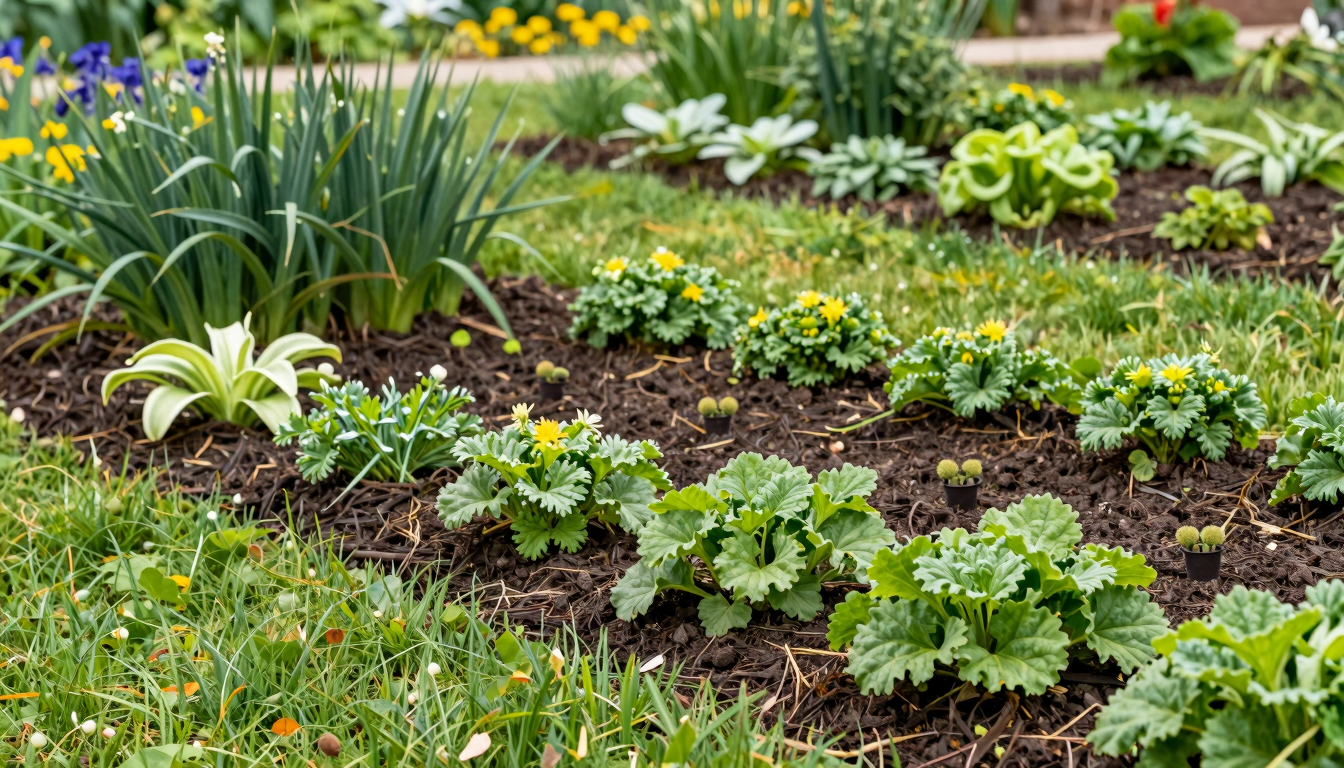
The Benefits of Organic Landscaping: Creating Chemical-Free Green Spaces
Creating vibrant, green spaces through organic landscaping has gained popularity over the years. This method focuses on achieving a healthy, chemical-free environment that benefits both you and the ecosystem surrounding your property. Unlike traditional landscaping, which often relies on synthetic fertilizers and pesticides, organic landscaping emphasizes natural solutions and sustainable practices. There are numerous benefits to this approach that can transform your outdoor spaces into flourishing ecosystems.
One of the most significant advantages of organic landscaping is its positive impact on the health of your family. By eliminating chemicals, you reduce exposure to harmful substances that can contribute to health issues. Many commercial fertilizers and pesticides are known to contain ingredients that may pose risks to children and pets. When you choose organic landscaping techniques, such as composting and natural pest control, you create a safer play environment for your loved ones.
Moreover, organic landscaping promotes biodiversity. Healthy ecosystems are built on a variety of plant and animal life. By using native plants and organic methods, you support local species, including pollinators like bees and butterflies. These creatures play a crucial role in our food supply by helping with the pollination of flowers, fruits, and vegetables. Encouraging biodiversity can lead to more resilient landscapes that are better at withstanding pests and diseases.
Here are some ways organic landscaping fosters a biodiverse and healthy environment:
- Utilizes native plants that thrive in your local climate.
- Encourages beneficial insects, such as ladybugs and lacewings, to control pest populations naturally.
- Reduces harmful runoff into waterways, helping to preserve aquatic ecosystems.
Another key benefit is the improvement of soil health. Chemical fertilizers can damage soil structure over time, leading to nutrient depletion and erosion. On the other hand, organic landscaping relies on natural amendments like compost, worm castings, and cover crops. These materials enrich the soil, fostering microbial life that is essential for plant growth. As a result, you can cultivate healthy plants with strong root systems that are more resilient to drought and other stresses.
Organic landscaping can also contribute to water conservation. Traditional landscaping often requires extensive irrigation and may lead to significant water waste through runoff. By adopting organic practices, you can create landscapes that use water more efficiently. Techniques like mulching, xeriscaping, and choosing drought-resistant plants can significantly reduce your water consumption, helping to preserve this vital resource.
Cost-effectiveness is another appealing aspect of organic landscaping. Although initial costs may be slightly higher when transitioning to organic practices, the long-term savings are worth it. Spending less on synthetic products and chemicals means more money stays in your pocket. Additionally, healthy plants tend to require less maintenance, which can also reduce ongoing costs.
You can easily get started with organic landscaping by considering these practical tips:
- Start small: Choose a small area of your yard to convert to organic methods before expanding.
- Learn about native plants: Research the best species for your climate and local ecosystem.
- Practice composting: Make your own nutrient-rich compost from kitchen scraps and yard waste.
- Introduce beneficial insects: Create habitats for ladybugs and other natural pest controllers.
Organic landscaping contributes to a healthier environment at large. By reducing your reliance on synthetic chemicals, you help protect local wildlife and ecosystems. This not only benefits your immediate surroundings but also contributes to global efforts toward sustainable living. As more individuals and communities embrace organic practices, we can collectively work towards a greener planet.
The benefits of organic landscaping are numerous and impactful. From enhancing family health and promoting biodiversity to conserving water and saving costs, adopting organic methods is advantageous for everyone. By creating chemical-free green spaces, you can cultivate a more vibrant, sustainable, and beautiful outdoor environment that you and your community can enjoy for years to come.
Essential Practices for Maintaining a Healthy Organic Garden
Creating and maintaining a healthy organic garden is a rewarding venture. It brings you closer to nature while providing fresh produce free of chemicals. To ensure your organic garden thrives, consider adopting a few essential practices that will boost soil health, promote biodiversity, and manage pests naturally.
Soil Health is Key
The foundation of a healthy organic garden lies in its soil. Start with good soil practices to create a thriving environment for your plants.
- Compost: Adding compost enriches soil with nutrients and improves its structure. This also promotes beneficial microorganisms that help plants grow.
- Mulching: Use organic mulch materials like straw, wood chips, or grass clippings. Mulching prevents weeds, conserves moisture, and adds nutrients as it decomposes.
- Crop Rotation: Changing the types of plants you grow in each section of your garden each season keeps the soil healthy and helps prevent pest and disease build-up.
Choose the Right Plants
Selecting plants that are well-suited to your local climate and soil type is vital for success. Here’s how to do it:
- Native Plants: These plants are adapted to your local conditions, making them easier to grow and maintain.
- Diversity: a variety of plants attracts beneficial insects and helps prevent pest problems. A mix of perennials and annuals can also keep the garden vibrant year-round.
- Companion Planting: Certain plants help each other grow better when planted together. For instance, planting basil with tomatoes enhances both plants’ health.
Water Wisely
Proper watering techniques can make a significant difference in the health of your garden. Consider the following:
- Deep Watering: Instead of frequent shallow watering, give your plants a good soak less often. This encourages deep root growth and makes them more drought resistant.
- Timing: Water in the early morning or late afternoon to reduce evaporation, allowing plants to absorb more moisture.
- Drip Irrigation: If possible, use drip irrigation systems to deliver water directly to the roots, minimizing waste.
Pest Management Naturally
Managing pests without chemicals is essential in organic gardening. Here are some natural approaches:
- Hand-Picking: For small infestations, simply pick pests off your plants by hand. This is an effective way to reduce pest populations.
- Beneficial Insects: Invite ladybugs, lacewings, and other predators into your garden. They help keep harmful insects like aphids at bay.
- Homemade Sprays: Use natural ingredients to create sprays. For example, mixing soap and water can help deter certain pests.
Regular Maintenance
<pRoutine maintenance is crucial for the long-term health of your garden. Consider these practices to keep everything in check:
- Weeding: Regularly remove weeds to prevent them from competing with your plants for nutrients and water.
- Pruning: Trim dead or diseased foliage to improve airflow and reduce the risk of disease.
- Monitoring: Keep a close eye on your plants for signs of distress or disease. Early intervention is key to managing issues effectively.
By incorporating these practices into your organic gardening routine, you’ll be taking significant steps toward building a healthy, chemical-free garden. Whether you are growing vegetables, fruits, or flowering plants, nurturing your garden not only enhances your outdoor space but also promotes a more sustainable environment. Remember, the journey of organic gardening may have challenges, but the rewards of fresh produce and a thriving ecosystem are well worth the effort.
Top Organic Pest Control Methods for Chemical-Free Landscapes
Creating a beautiful landscape without using chemicals is not only beneficial for the environment but also safer for your family and pets. Organic pest control methods offer effective and natural solutions to manage garden pests that can harm your plants. Here are some top organic pest control methods to consider for maintaining a healthy, chemical-free garden.
Encouraging Beneficial Insects
One of the most effective ways to manage pests organically is to attract beneficial insects. These friendly bugs can help keep harmful pests at bay. Consider the following:
- Ladybugs: Known to feast on aphids and mites, ladybugs can significantly reduce pest populations.
- Praying Mantises: These predators can tackle many garden pests, including caterpillars and beetles.
- Hoverflies: Their larvae consume aphids and other small pests.
Planting flowers like marigolds, dill, and fennel can attract these helpful insects to your garden. Their presence helps maintain a natural balance, reducing the need for chemical interventions.
Homemade Pest Sprays
You can create your own pest repellent sprays using common household ingredients. These sprays are an excellent alternative to chemical pesticides. Some effective recipes include:
- Soap Spray: Mix 1 tablespoon of liquid soap with 1 quart of water. This mix can suffocate soft-bodied insects like aphids and spider mites.
- Garlic Spray: Blend 2 whole garlic bulbs with 2 cups of water. Let it sit overnight, strain, and use the liquid as a repellent.
- Cayenne Pepper Spray: Mix 1 tablespoon of liquid soap and 1 tablespoon of cayenne pepper in a quart of water. This spray can deter ants and other pests.
Remember to test any spray on a small part of the plant first to ensure it won’t harm the foliage.
Companion Planting
Companion planting is a method where certain plants are grown together to naturally repel pests. Here are some successful pairings:
- Basil and Tomatoes: Basil repels tomato hornworms and improves the growth of tomato plants.
- Marigolds and Vegetables: Marigolds deter nematodes and various beetles.
- Garlic and Roses: Garlic can repel aphids from roses, keeping them healthier.
Using companion planting can create a symbiotic environment, encouraging your garden to thrive without chemical use.
Row Covers
Lightweight fabric row covers can protect young plants from pests while allowing sunlight and moisture to reach them. These covers are easy to use and provide a physical barrier against insects like cabbage moths and beetles. Simply drape them over your plants and secure the edges to keep pests out. They are particularly useful for seedlings and young vegetables.
Natural Predators
Introducing natural predators into your garden can effectively control pest populations. For example:
- Nematodes: These microscopic worms target and kill soil-dwelling pests.
- Wasps: Certain wasps lay eggs in the bodies of caterpillars, controlling their population.
Research the right predators for the pests you encounter to maximize this method’s effectiveness in your landscape.
Mulching
Using organic mulch can suppress weeds and improve soil quality while providing some pest deterrent benefits. For example, certain types of mulch, like cedar, can repel insects due to their natural oils. Additionally, maintaining healthy soil through mulching supports your plants’ growth, making them less susceptible to pest damage.
Maintaining Plant Health
Healthy plants are more resistant to pests and diseases. Ensure your garden is well-watered and nourished through compost and organic fertilizers. Prune regularly to remove dead or diseased foliage, which can attract pests. Keeping plants healthy is one of the best defenses against infestations.
By incorporating these organic pest control methods into your landscaping efforts, you can create a thriving, chemical-free space. Not only do these strategies promote a healthy garden, but they also support local ecosystems and the environment. Enjoy the beauty of your chemical-free landscape while knowing you’re opting for sustainable practices!
Native Plants for Organic Landscaping: Boosting Biodiversity
Creating a sustainable landscape with native plants is a fantastic way to promote biodiversity while practicing organic landscaping techniques. Native plants are those which grow naturally in your area, adapted to local climate and soil conditions. By incorporating these plants, you can create a thriving ecosystem in your garden that supports local wildlife, including birds, butterflies, and beneficial insects.
One of the most significant benefits of using native plants is that they thrive without the need for chemical fertilizers or pesticides. This naturally resilient quality makes them perfect for organic landscaping. They are already accustomed to local soil types and weather conditions, which means lower maintenance for you, along with enhanced soil health and reduced water usage.
Here are some key benefits of using native plants in your organic landscaping:
- Promoting Local Wildlife: Native plants provide food and habitat for local fauna. Birds rely on berries and seeds from these plants, while butterflies and bees need native blossoms for nectar.
- Reduced Maintenance: As these plants are adapted to your specific region, they often require less watering, pruning, and fertilizer compared to non-native varieties.
- Soil Health Improvement: Many native plants have deep roots, which help aerate the soil and improve its structure, allowing for better water infiltration and nutrient cycling.
- Enhanced Aesthetic Appeal: Native plants offer a unique and diverse palette of colors and textures, adding beauty to your landscape without disrupting the local ecosystem.
When selecting native plants for your organic landscape, consider plants that are well-suited to your specific environment, including soil type and sun exposure. Different regions have their unique native species. For instance, if you live in the Midwest, you may consider:
- Echinacea purpurea (Purple Coneflower): This hardy plant attracts pollinators and provides vibrant blooms throughout the summer.
- Asclepias tuberosa (Butterfly Weed): A magnet for butterflies, this plant is also drought-tolerant and lovely in any garden.
- Rudbeckia hirta (Black-eyed Susan): With its bright yellow petals and dark centers, this flower is a favorite among both gardeners and wildlife.
In the Northeast, popular native plants include:
- Amelanchier arborea (Serviceberry): This small tree produces edible berries and beautiful spring blossoms.
- Gaillardia aristata (Blanket Flower): Known for its vibrant colors, this perennial thrives in sunny spots and attracts bees and butterflies.
- Solidago spp. (Goldenrod): Goldenrod supports various pollinators and is a beacon of color in the fall.
Before planting, it’s wise to observe how these native plants fit into your landscape’s overall design. Mixing various species can create a multi-layered garden ecosystem that offers blossoms, foliage, and fruits at different times of the year. This variety boosts biodiversity and keeps your garden lively.
While planting, you should also keep in mind the concept of companion planting. Certain native plants can benefit one another when grown together. For example, combining flowering plants with those that provide shelter can create a sanctuary for beneficial insects, aiding in natural pest control.
Your organic landscaping journey does not end at planting. Regular maintenance is crucial but doesn’t have to mean using chemicals. Instead, rely on cultural practices such as:
- Mulching: This helps retain moisture in the soil, suppress weeds, and provide nutrients as it breaks down.
- Composting: Use natural compost to improve soil health.
- Handpicking pests: Manually remove unwanted insects or use barriers to protect plants.
Whether you have a small backyard or a sprawling property, integrating native plants into your organic landscaping will not only beautify your space but also create a thriving ecosystem that benefits you and your local wildlife. Embrace the power of native plants and contribute actively to boosting biodiversity in your garden.
The Environmental Impact of Chemical vs. Organic Landscaping Techniques
When it comes to landscaping, the decisions you make can significantly affect the environment. Both chemical and organic landscaping techniques are popular, but they have different impacts on our Earth. Understanding these differences can help you make more informed choices for your yard and community.
Chemical landscaping often involves synthetic fertilizers, pesticides, and herbicides. While these products may offer quick results, they can have lasting negative impacts. Many chemicals end up leaching into the soil and eventually into water systems. This can lead to water pollution, harming aquatic life. Additionally, the runoff can contaminate drinking water, posing risks to human health.
On the other hand, organic landscaping (no chemicals) takes a different approach. It focuses on using natural materials and methods to maintain healthy soil and plants. Here are some ways organic landscaping can positively impact the environment:
- Soil Health: Organic methods enhance the soil’s natural fertility. By adding compost and organic matter, you create a rich, lively environment for soil organisms that contribute to plant health.
- Water Quality: With no harmful chemicals used, organic landscaping helps keep local water systems clean. This prevents pollution and promotes healthier aquatic ecosystems.
- Biodiversity: Organic practices support a diverse range of plants and wildlife. This variety creates a balanced ecosystem, which is vital for pollinators and other beneficial insects.
- Carbon Sequestration: Healthy organic landscapes can help capture carbon from the atmosphere, reducing the overall carbon footprint and contributing to climate change mitigation.
One of the critical factors that set these two practices apart is the concept of sustainability. Chemical landscaping typically involves constant reapplication of synthetic products. This cycle can deplete resources and harm the environment over time. Conversely, organic landscaping focuses on long-term sustainability. By building healthy soil and composting, your garden can thrive naturally.
Moreover, organic landscaping techniques promote an understanding of natural ecosystems. For example, companion planting involves growing different plants together that benefit each other. This can naturally deter pests without the need for chemicals. It also allows you to create a more vibrant and visually appealing garden.
Cost is another consideration when comparing these techniques. Although organic landscaping may require an upfront investment in things like compost or mulch, the long-term savings are worth it. Chemical treatments can lead to recurring expenses, and your plants may become dependent on these products over time. Organic methods often lead to healthier plants that require less intervention, thus saving you money in the long run.
It is also essential to note the health benefits of choosing organic landscaping. Chemical fertilizers and pesticides can pose risks to pets and family members. By opting for organic techniques, you create a safer outdoor environment. Not only do you eliminate chemical exposure, but you also encourage your children to play in a safe space that enhances their physical and emotional well-being.
Community impact should not be overlooked either. As more individuals choose organic landscaping, the collective influence grows. This shift promotes an awareness of environmental issues, encourages sustainable practices in local gardening and agriculture, and inspires others to make eco-friendly choices. By transforming your yard into an organic landscape, you contribute positively to your neighborhood and beyond.
The environmental impact of landscaping techniques is profound. While chemical landscaping can provide quick fixes, it poses threats to water systems, air quality, and overall biodiversity. Organic landscaping (no chemicals) offers a healthier, more sustainable alternative that benefits the environment and enhances the well-being of our communities. Considering these factors will lead you to greener choices for your landscape and a healthier planet for future generations.
Conclusion
Choosing organic landscaping not only transforms your outdoor space into a chemical-free haven but also significantly benefits the environment. By embracing organic practices, you invite vibrant plant life that thrives without synthetic chemicals, creating a lush, healthy landscape. This approach fosters biodiversity through the use of native plants, supporting local wildlife and ecosystems while ensuring your garden remains resilient.
Maintaining a healthy organic garden involves essential practices, such as composting, proper watering, and soil health management. These techniques ensure your plants receive the best care while minimizing stressors that might require chemical interventions. When it comes to managing pests, exploring top organic methods empowers you with alternative strategies that are effective yet gentle on the environment. From introducing beneficial insects to creating natural deterrents, you can protect your garden while maintaining its integrity.
The stark contrast between chemical and organic landscaping techniques highlights a crucial decision for garden enthusiasts. Opting for organic methods significantly reduces pollutants and chemicals leaching into our water sources, promoting a healthier planet. By choosing organic landscaping, you contribute to a cleaner, greener future for generations to come.
Ultimately, organic landscaping is not just about creating beautiful outdoor spaces; it’s a commitment to nurturing the earth. By prioritizing sustainability, health, and biodiversity, you ensure your garden not only flourishes but also plays a vital role in preserving our environment. Whether you’re a seasoned gardener or just starting, the journey towards a chemical-free landscape is rewarding and impactful.