DIY Landscaping That Saves Thousands Vs Hiring Pros
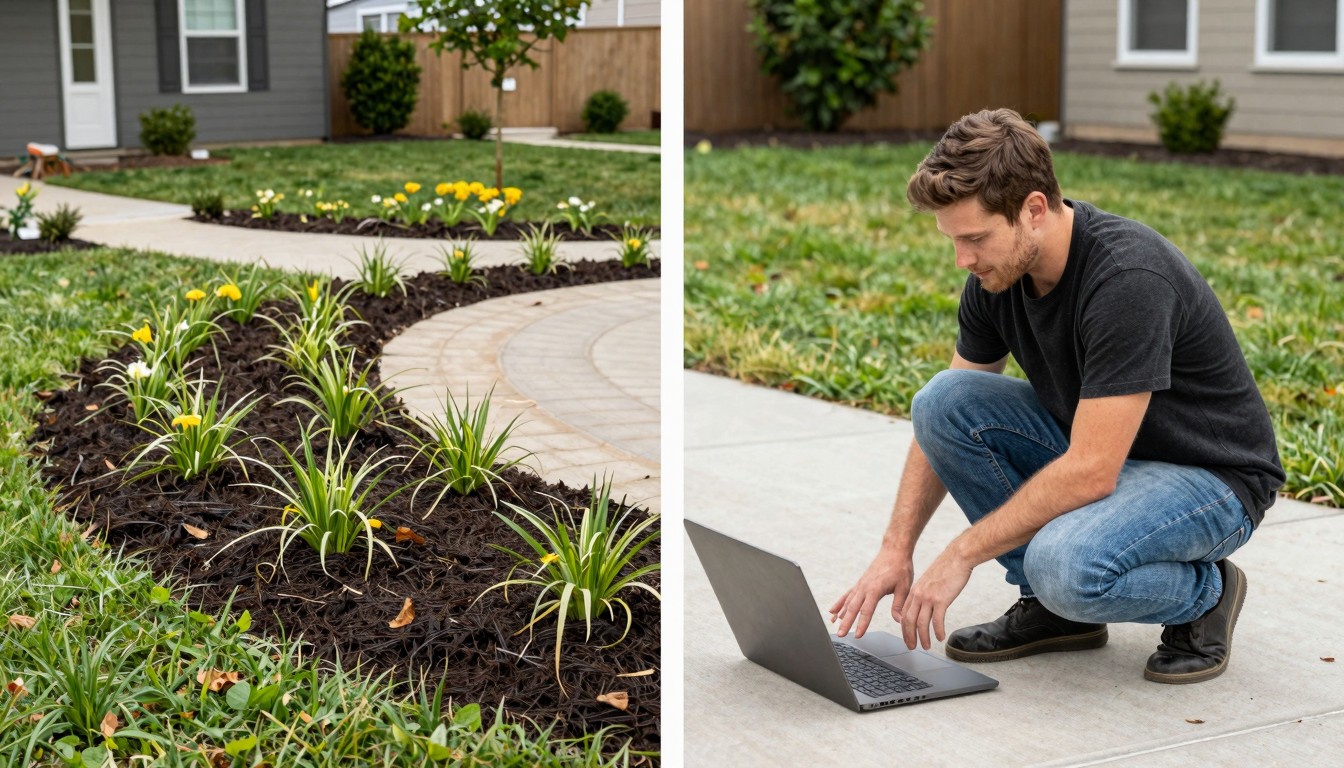
DIY Landscaping That Saves Thousands vs Hiring Pros: Weighing the Costs and Benefits
Landscaping your yard can transform it from a simple outdoor space into a beautiful oasis. However, when considering the best way to achieve this transformation, you may find yourself weighing the cost of DIY landscaping against hiring professionals. Let’s explore how taking the DIY route can save you thousands while still achieving impressive results.
Understanding the Cost Differences
The first step in deciding whether to go the DIY route or hire professionals is to understand the costs involved. On average, hiring a professional landscape designer or crew can range from $50 to $150 per hour, depending on your location and their expertise. Here are some costs to consider:
- Design Fees: Professional designers may charge a flat fee or by the hour, adding up quickly.
- Labor Costs: Skilled labor can be expensive. Aim for $30 to $80 per hour for basic yard work.
- Materials: Pros often mark up the cost of plants, soil, and hardscaping materials.
In contrast, DIY landscaping only requires you to pay for materials. With some research, you can find plants, stones, and soil at lower prices compared to retail outlets.
Benefits of DIY Landscaping
Choosing to landscape your yard by yourself offers several advantages:
- Cost Savings: You can save thousands by doing the work yourself. The only major investment is in materials.
- Creative Control: You have complete freedom to design your landscape as you envision. There’s no need to compromise with someone else’s ideas.
- Learning Experience: You gain valuable skills and knowledge about plants and landscaping, which can be beneficial for future projects.
- Satisfaction: Completing a project on your own can provide a sense of accomplishment and pride.
Potential Drawbacks of DIY
While there are many upsides to DIY landscaping, it’s important to consider some of the challenges:
- Time-Consuming: A DIY project can take significantly longer than hiring pros, especially if you have a busy schedule.
- Learning Curve: Landscaping involves learning about various plants, maintenance, and design techniques.
- Lack of Professional Design: Without experience, your project may not turn out as professional as you’d hope.
Hiring Professionals: The Case for Experts
There are undeniable benefits to hiring professional landscapers. Here’s why you might want to consider them:
- Expertise: Professionals bring years of training and experience, ensuring your landscape is designed and executed flawlessly.
- Efficiency: Pros can complete tasks faster since they know exactly what to do and have the proper equipment needed for the job.
- Warranty on Work: Many professional landscape services offer guarantees on their work, giving you peace of mind.
Evaluating Your Skills and Time
Before making a decision, assess your skills and available time. Are you handy with tools? Do you enjoy gardening and design? If the answer is yes, then DIY landscaping might be the perfect project for you. However, if you’re short on time or experience, hiring professionals might be worth the investment in the long run.
Making Your Decision
Ultimately, the choice between DIY landscaping that saves thousands versus hiring pros comes down to your budget, creativity, and available time. If you’re keen on saving money and enjoy learning, tackling your landscaping project may be the best route. On the other hand, if you prefer a polished, professional look with minimal hassle, hiring experts could be the way to go.
By considering these factors, you can make an informed decision that suits your needs, saving both money and time while achieving the outdoor haven you’ve always wanted.
Essential Tools and Resources for Effective DIY Landscaping
Embarking on a DIY landscaping project can be an exciting journey that transforms your outdoor space into a beautiful and functional area. To ensure the success of your landscaping endeavors, having the right tools and resources is crucial. Below are some essential items that will help you create your dream landscape while saving money.
Hand Tools
Every DIY landscaper should start with a good set of hand tools. These tools are versatile and make it easier to manage small tasks. Here are some must-have hand tools:
- Trowel: Essential for digging and planting small plants, bulbs, and seeds.
- Pruning Shears: Useful for trimming plants and maintaining shrubs.
- Loppers: Great for cutting thicker branches that are out of reach.
- Garden Fork: Perfect for loosening soil and composting.
- Rake: Helps in leveling out soil and removing debris.
Power Tools
Using power tools can save you time and effort, making larger tasks manageable. Here are some essential power tools to consider:
- Rototiller: Ideal for breaking up soil for new gardens or installing sod.
- Electric Hedge Trimmer: This tools can make shaping hedges and bushes much faster and easier.
- Leaf Blower: Helpful for clearing leaves and debris from your yard.
- Lawn Mower: A quality mower is essential for maintaining grass height and lawn health.
Measurement and Layout Tools
Planning and measuring accurately can help ensure your landscaping project is both aesthetic and functional. Consider these tools:
- Measuring Tape: To measure distances accurately for planting and layout.
- String Line: Helps create straight lines when laying out paths or planting beds.
- Level: Ensures your paths, patios, and walls are even.
Soil and Plant Care Supplies
Healthy soil and plants are the backbone of any successful landscaping project. Here’s what you’ll need:
- Soil Test Kit: To analyze soil type and nutrient levels before planting.
- Compost: Enriches soil and aids plant growth.
- Mulch: Helps retain soil moisture and control weeds.
- Fertilizers: Essential for providing necessary nutrients to plants.
- Watering Can or Hose: Adequate watering tools are vital for plant health.
Safety Gear
Safety should always be your priority when working on any landscaping project. Consider having the following protective gear:
- Gloves: Protect your hands from cuts and blisters.
- Safety Goggles: Shield your eyes from dirt and debris.
- Ear Protection: Consider earplugs or earmuffs when using loud equipment.
- Sturdy Boots: Supportive footwear can prevent injuries on uneven ground.
Access to Resources
Beyond tools, utilizing various resources can enhance your DIY landscaping experience:
- Online Tutorials: Platforms like YouTube offer an array of instructional videos.
- Gardening Apps: Use apps for plant identification and maintenance tips.
- Local Gardening Clubs: Connecting with fellow gardeners can provide insights and support.
- Nurseries and Garden Centers: Local experts can guide you in selecting the right plants for your area.
By assembling these essential tools and utilizing available resources, you can confidently embark on your DIY landscaping journey. Not only will you save money, but you’ll also have the satisfaction of knowing you created a beautiful outdoor space with your own hands. Happy landscaping!
Common Mistakes in DIY Landscaping and How to Avoid Them
DIY landscaping can be a rewarding way to elevate your home’s appearance and save money. However, many homeowners make common mistakes that can lead to wasted time, effort, and money. Avoiding these pitfalls will help ensure that your landscaping project is successful and enjoyable.
One frequent mistake is not planning adequately before starting the project. You might be eager to get started, but lack of planning can result in chaotic space and disappointing outcomes. Take the time to sketch a layout, considering the flow of your garden. This helps visualize how different elements will work together. Ensure that you also pay attention to the orientation of your yard, as sun and shade will impact plant growth.
Another issue is choosing the wrong plants. Each plant has its own growing requirements for sunlight, water, and soil types. Opting for plants that aren’t suited to your local climate can lead to wasted resources. Research native plants that thrive in your area. These plants usually require less maintenance and offer better chances of survival.
Soil quality cannot be overlooked. Poor soil can stunt plant growth and reduce the overall health of your garden. Many DIY landscapers assume that all soil is the same, which is a mistake. Before planting, conduct a soil test to determine its pH and nutrient levels. With this information, you can amend the soil appropriately, ensuring that you provide a healthy start for your plants.
Watering practices also play a crucial role in landscaping success. It’s common for DIYers to either overwater or underwater plants. New gardeners may not know that different plants have varying water requirements. It’s advisable to establish a consistent watering schedule and monitor weather changes. Installing a drip irrigation system can help deliver the right amount of water directly to the roots, making this task more manageable.
Timing is another critical aspect often overlooked in DIY landscaping. Planting at the wrong time of year can affect how well your plants take root. For instance, you should plant perennials in the spring or fall to enable them to establish themselves before winter. Make sure to check local planting calendars to find the best times for your specific plants.
Working on a large project at once can be overwhelming. Many homeowners feel the need to tackle extensive landscaping all at once, thinking it will save time. However, breaking down your project into smaller, manageable tasks can lead to better results. This strategy allows you to focus on perfecting one area at a time, ensuring that each aspect of your landscaping is pursued with care.
While enthusiasm is great, rushing can lead to mistakes. Instead, take your time and enjoy the process. Aim for quality over quantity. Remember, great landscapes take time to establish. If you find yourself overwhelmed, don’t hesitate to reach out to a gardening community online, seek advice from local nurseries, or read additional literature on landscaping best practices.
Designing with the future in mind is also essential. DIY landscapers often overlook the growth potential of plants. Ensure you space plants appropriately to allow for their full growth. Crowding can lead to competition for nutrients and sunlight, which might ultimately kill your plants. Consider reaching out to local gardening experts who can guide you regarding the best practices for spacing.
Avoid last-minute decisions regarding materials. Many DIYers get caught up in the excitement and choose materials like mulch, stones, or wood on a whim. Research the materials that fit best with your design and long-term maintenance. Investing in quality materials may seem more costly initially, but they will save you money in the long run due to their durability.
By being aware of these common pitfalls and taking the appropriate steps to avoid them, you’ll set yourself up for a successful DIY landscaping project. With careful planning, informed decisions, and a bit of patience, you can create a beautiful outdoor space that will enhance the beauty of your home for years to come.
Creative Ideas for Affordable DIY Landscaping Projects
Transforming your outdoor space doesn’t have to break the bank. With some creativity and effort, you can enjoy affordable DIY landscaping projects that not only enhance your home’s beauty but also save you thousands compared to hiring professionals. Here are some engaging ideas to get you started!
Start with a Plan
Before you dive into digging and planting, it’s wise to have a clear design in mind. Visualizing your landscape can help you avoid costly mistakes. Consider creating a sketch of your yard and marking areas for new flower beds, pathways, and seating areas. This plan will guide your decisions and help you stay organized throughout your project.
Choose Native Plants
Opt for native plants in your landscaping. These plants are adapted to the local climate and soil conditions, making them easier to care for and less expensive to maintain. They require less water, fertilizer, and pest control, which means more savings for you in the long run. A simple visit to your local nursery or garden center can help you discover stunning native options for your area.
Repurpose Materials
One of the greatest ways to save money on landscaping is by repurposing materials you already have. Consider these ideas:
- Old Bricks or Pavers: Use them to create a charming pathway or a small patio.
- Wooden Pallets: Transform pallets into raised garden beds or seating areas.
- Stones: Create decorative borders for flower beds or use stones for a dry creek bed look.
- Containers: Repurpose old containers and buckets for potting plants or herbs.
Try Vertical Gardening
If space is tight in your yard, vertical gardening is a smart solution. Utilize walls, fences, and trellises to grow climbing plants and flowers. This not only saves ground space but can also create a striking visual element. You can use items like old ladders, wooden spacers, or hanging baskets to start a vibrant vertical garden that serves as a centerpiece in your yard.
Create a Mulch Pathway
Using mulch can be both functional and aesthetic in your landscaping. You can lay down mulch to define pathways or borders, which helps prevent weeds while allowing water to penetrate the soil. Plus, it’s an inexpensive option compared to concrete or stone pathways. Consider using wood chips, pine needles, or shredded bark for a natural look.
Design a DIY Fire Pit
A fire pit can create a cozy outdoor atmosphere without the hefty price. You can build one using materials like stone, concrete blocks, or even metal fire rings. Adding some seating around the fire pit, such as benches made from salvaged wood, allows your friends and family to gather around for warmth and conversation.
Incorporate Edible Plants
Why not mix beauty with practicality? edible plants such as herbs, fruits, and vegetables into your landscape design is a great way to save money on groceries while enhancing your outdoor space. Consider planting basil, tomatoes, or berry bushes in decorative containers or intermixed in flower beds for a two-in-one benefit.
Focus on Ground Cover
Instead of grass, consider using ground cover plants to minimize maintenance costs. Plants like creeping thyme, clover, or sedum can create lush green areas without requiring constant mowing. These options tend to be drought-resistant and can thrive in various soil types, ensuring your landscape remains vibrant and low-maintenance.
Enhance with Lighting
Lighting can dramatically change the mood of your outdoor space. Instead of investing in expensive wired lighting, opt for solar-powered garden lights. They are easy to install and can highlight garden features beautifully while saving you electricity costs. Use string lights for added ambiance around patios or pathways.
With these creative and affordable DIY landscaping projects, you can transform your yard into a beautiful retreat without hiring professionals. By planning, utilizing native plants, and leveraging materials you already have, you’ll find that landscaping can be enjoyable and budget-friendly.
When to Consider Hiring Professionals for Landscaping Needs
When tackling landscaping projects, many homeowners face the decision of whether to DIY or hire professionals. While DIY landscaping can save you money, there are specific situations where hiring professionals is not only beneficial but necessary.
First, let’s consider complex designs. If your landscaping plan involves intricate designs, such as tiered gardens, retaining walls, or elaborate water features, hiring professionals can be wise. These designs require specialized knowledge and construction skills that most homeowners may not possess. Professionals understand how to create stable structures that comply with local regulations, ensuring that your investment lasts for years.
Next, think about the size of your project. Large-scale landscaping tasks can be overwhelming for DIY enthusiasts. If you have an extensive yard that requires grading, planting large trees, or installing hardscaping elements, it might be more efficient to hire pros. They come equipped with the right tools and manpower to handle heavy lifting, which can be physically taxing for individuals.
Another factor is your time availability. Landscaping can consume a lot of time. If you have a busy schedule or limited free time, consider hiring professionals. They can complete the work quickly, allowing you to enjoy your outdoor space without the stress of extended DIY projects. Time is valuable, and sometimes, paying for expertise is worth the cost.
Additionally, your gardening knowledge matters. If you lack experience in botany or horticulture, it might be best to seek professional help. Professionals can recommend the best plants for your climate, soil type, and available sunlight. They also understand how to care for plants, ensuring they thrive in your landscape. For instance, some plants may require specific pruning techniques or fertilizers, which could be hard to manage for novices.
Consider your budget, too. DIY projects often seem cost-effective, but unexpected expenses can creep in. When you choose a professional service, you receive a clear estimate upfront without hidden costs. Landscapers can source materials at a better price and often have relationships with suppliers that can reduce costs. In the long run, the assurance that you’re getting quality work without surprise expenses can save you money.
Moreover, think about ongoing maintenance. If you plan to install a complex landscape, consider how much time you can devote to upkeep. Professional landscapers can create a sustainable design that fits your lifestyle, whether that means low-maintenance plants or an irrigation system. If you won’t be able to properly maintain your garden, hiring experts might be the best choice for the longevity of your investment.
Here are some scenarios when you should seriously consider hiring professionals:
- Complex landscaping designs that require expert skills.
- Large yards needing considerable landscaping work.
- Limited time to devote to your landscape project.
- Lack of gardening knowledge or landscape maintenance skills.
- Budget constraints or concerns about unexpected costs.
- Desire for sustainable landscaping that matches your lifestyle.
If you find yourself facing any of these situations, reaching out to a professional landscaper can save you from headaches and disappointment. Their expertise ensures that your outdoor space is designed well and suits your needs.
There’s no question that DIY landscaping can be a rewarding experience, offering creativity and personal satisfaction. However, understanding when to bring in professionals maximizes your investment in your property. Investing in expertise at the right moments can result in a beautiful landscape that enhances your home’s value and your enjoyment of the outdoors.
Consider your options carefully, weigh the pros and cons, and remember that professional help is just a phone call away when needed. Making informed decisions now can lead to a well-thought-out landscape you’ll cherish for years to come.
Conclusion
When it comes to transforming your outdoor space, both DIY landscaping and hiring professionals have their pros and cons. DIY landscaping can save you thousands of dollars while allowing you to express your creativity. By weighing the costs and benefits, you can make informed choices that suit your budget and vision.
Equipping yourself with essential tools and resources is a game-changer for effective DIY projects. From shovels and rakes to online tutorials and local gardening forums, having the right gear and knowledge can elevate the quality of your work. However, being aware of common mistakes, like overplanting or neglecting soil health, will help you avoid costly setbacks that can turn your dream garden into a headache.
If you’re looking for inspiration, there are plenty of creative and affordable DIY landscaping ideas you can try. Simple additions, such as raised garden beds or decorative stone pathways, can dramatically enhance your yard without breaking the bank. The key is to start small, focusing on projects that resonate with your style and fit your outdoor space.
There may come a time when hiring professionals is necessary, especially for complex tasks like tree removal or intricate hardscaping. Recognizing the right moment to seek help ensures that your landscaping journey remains enjoyable and stress-free.
Ultimately, whether you choose the DIY route or enlist the help of professionals, the goal is to create a delightful outdoor environment that you can enjoy for years to come. With the right approach and preparation, your landscaping project will not only meet your aesthetic desires but also reflect your personal touch.