
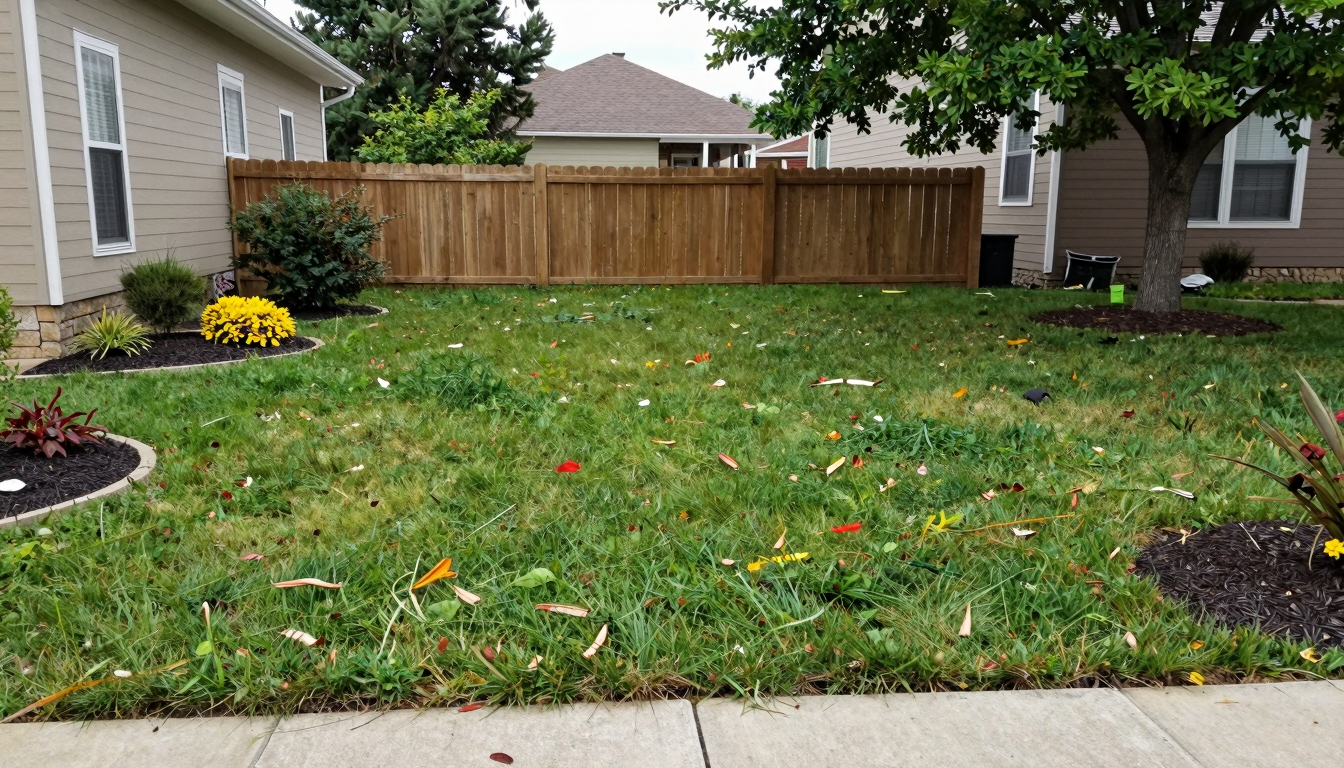
Effective Strategies for Fixing Neglected Yards After Moving In
Moving into a new home is exciting, but sometimes, you find yourself faced with a yard that has been neglected. Turning a tired, overgrown lawn and garden into a beautiful outdoor space can seem daunting. However, with some effective strategies and a little sweat equity, you can truly transform the yard into a vibrant extension of your home.
Assessing the Current State of Your Yard
Before diving into the fixes, take a moment to survey the landscape. Walk around your property and note the areas that need immediate attention:
- Overgrown Grass: Look for spots where the grass is thick or has grown too tall.
- Weeds: Identify areas where weeds have taken over; these need to be addressed first.
- Dead Plants: Check for any dead or diseased plants that may need removal.
- Soil Quality: Test the soil to see if it is compacted or needs nutrients.
By assessing these areas, you’ll have a clear picture of where to start your beautification journey.
Prioritizing Tasks for Maximum Impact
Once you’ve assessed your yard, it’s time to prioritize your tasks. Focus on the most impactful changes first:
- Mow the Lawn: Start by mowing the grass to a manageable height. This gives an instant upgrade to the look of your yard.
- Weed Removal: Pulling or treating weeds early on helps prevent them from spreading and allows your other plants to thrive.
- Pruning Shrubs and Trees: Trim back overgrown bushes and trees to encourage healthy new growth and enhance your yard’s aesthetics.
- Refreshing Soil: Amend the soil as needed by adding compost or nutrients, ensuring a healthy foundation for new plants.
Landscaping Ideas to Refresh Your Space
After the initial clean-up, consider some landscaping upgrades to add charm to your yard:
- Add Flower Beds: Create defined flower beds with perennials or annuals, which can bring color and structure to your yard.
- Install Pathways: Consider adding pathways with gravel, stones, or bricks to create defined areas in your garden.
- Lawn Care: Reseed bare patches in your lawn or consider xeriscaping if water conservation is a concern.
- Implement Mulching: Use mulch in flower beds to suppress weeds and retain moisture while giving your garden a finished look.
Maintenance and Sustainability
Once your yard is in better shape, maintaining it will help ensure it stays beautiful for the long term:
- Regular Lawn Care: Schedule regular mowing, watering, and fertilizing to keep your lawn vibrant.
- Weed Management: Regularly check for new weeds and remove them before they take hold.
- Pest Control: Keep an eye out for pests and handle issues as they arise, either naturally or with organic treatments.
- Seasonal Updates: Consider seasonal changes, such as adding fall annuals or spring bulbs, to keep your yard dynamic and lively.
Engaging the Community
Don’t hesitate to reach out to neighbors or local gardening communities. They can offer invaluable tips on plant selections and techniques specific to your area’s climate and soil type. You can also find local garden clubs or online forums where advice, seeds, and plants can be shared.
Transforming a neglected yard into a blooming paradise takes time and effort, but by following these strategies, you can create a space that reflects your style and brings joy to your new home. Dive in, enjoy the process, and soon you’ll have a yard you can be proud of.
Essential Tools to Transform Your Overgrown Garden
Transforming an overgrown garden into a vibrant retreat can be both exciting and overwhelming. The first step to tackling this task is ensuring you have the right tools at your disposal. Having the essential gardening tools makes the process smoother and more efficient. Here’s a list of must-have tools that will help you turn your neglected green space into a flourishing garden.
Garden Shears
Garden shears are a staple in any gardener’s toolkit. These sharp tools are perfect for trimming back overgrown bushes, deadheading flowers, and shaping plants. When selecting shears, look for a pair that feels comfortable in your hands and has a strong blade to cut through thick stems.
Hand Pruners
For smaller, more delicate tasks, hand pruners come in handy. They are ideal for cutting back perennials, managing weeds, and pruning small branches. Choose a quality pair that offers a secure grip and smooth-action cutting. Always keep them sharp for the best results.
Rake
A sturdy rake is crucial for clearing leaves, debris, and other unwanted materials. A metal rake can help break up compact soil or distribute mulch evenly. Maintaining clean garden beds is easier when you have a reliable rake to aid in your cleanup efforts.
Garden Fork
This multi-purpose tool is essential for loosening compacted soil, turning compost, and aerating your garden bed. A garden fork allows air and nutrients to reach plant roots, promoting healthy growth. When choosing, look for one with sturdy, well-spaced tines to dig effortlessly into the ground.
Shovel and Spade
Both a shovel and a spade serve different purposes. A shovel is perfect for digging large holes or moving soil, while a spade is used for cutting and turning soil. Having both tools gives you flexibility in your gardening tasks, from planting new flowers to reshaping existing beds.
Hose and Nozzle
Your plants need water to thrive, so having a good hose is essential. A lightweight, retractable hose is easy to store and maneuver around your garden. Pair it with a nozzle that offers various spray patterns, allowing you to effectively water both delicate seedlings and mature plants.
Weed Puller
Weeds can quickly take over an overgrown garden. A weed puller helps you remove weeds at their roots, preventing them from coming back. Look for a tool that feels strong and has a comfortable grip for prolonged use. Keeping your garden weed-free is crucial for the health of your plants.
Gloves
Protect your hands with a good pair of gardening gloves. Choose ones made from breathable materials that provide dexterity while shielding your skin from thorns, dirt, and allergens. Gloves are not just about protection; they also give you a better grip on tools and plants.
Wheelbarrow
A wheelbarrow is a beneficial addition when transforming your garden. Whether you need to transport soil, compost, or plant debris, a wheelbarrow saves you time and energy. Be sure to select a sturdy model that can handle the load you plan to carry.
Garden Kneeler and Seat
Spending time in your garden can be hard on your knees and back. A garden kneeler and seat provide comfort while working at different heights. It allows you to kneel without straining your knees, and you can flip it over to sit while planting flowers or weeding.
Soil Test Kit
Understanding your soil is key to successful gardening. A soil test kit helps you determine the pH and nutrient content of your soil, guiding you in making informed decisions about what plants will thrive in your garden. This knowledge ensures that you set the best foundation for your new garden.
With these essential tools, you will be equipped to tackle your overgrown garden confidently. Remember, while having the right equipment is vital, patience and consistency are also core to revitalizing your garden space. Enjoy the transformation process and the journey of nurturing your plants back to health.
Step-by-Step Guide to Reviving Dull Landscape Features
If your yard is looking dull and lifeless after moving in, don’t worry! Reviving those landscape features can transform your outdoor space into a vibrant area that reflects your style. Here’s a step-by-step guide to help you breathe new life into your neglected yard.
Assess the Current State of Your Yard
Start by taking a close look at your property. Walk around and note which areas need the most attention. Look out for:
- Overgrown weeds
- Dead plants
- Unkempt lawns
- Hardscape features that require repair
- Drainage issues
Understanding the specific problems will help you prioritize your tasks effectively.
Clear Out the Clutter
Once you’ve assessed the condition of your yard, it’s time to clean up. Begin by:
- Removing any dead vegetation and weeds
- Mowing the lawn and trimming overgrown hedges
- Clearing debris like fallen branches, leaves, or trash
Creating a clean slate is essential for the transformation process. Make sure to use gardening gloves and proper tools for safety and efficiency.
Revitalize the Lawn
After clearing the space, focus on your lawn. A healthy lawn is the foundation of an attractive yard. To revive it:
- Check for bare patches and reseed if necessary.
- Consider applying a topsoil layer to enhance soil quality.
- Fertilize the lawn using an appropriate fertilizer to promote growth.
- Water adequately, ensuring that you keep the soil consistently moist but not soggy.
With patience, your lawn will soon become lush and green.
Enhance Flower Beds and Planting Areas
If you have existing flower beds, now is the time to rejuvenate them. Here’s what you can do:
- Add compost to improve soil fertility and structure.
- Fill any gaps with seasonal flowers or perennials that match your climate.
- Incorporate a variety of plants, including shrubs and grasses, to create depth.
Grouping plants with similar water and light needs simplifies maintenance and keeps your landscape looking lovely.
Focus on Hardscape Features
Your yard’s hardscape elements, such as walkways, fences, and patios, require attention too. To enhance these features:
- Clean your patio or deck using a pressure washer to remove grime.
- Repair any cracks in walkways and paths to ensure safety.
- Paint or stain wooden structures to protect them from weather damage.
These steps will brighten your outdoor spaces and ensure they remain functional.
Add Decorative Elements
Consider adding decorative elements to give your yard personality. Here are some ideas:
- Install outdoor furniture like benches or chairs to create a relaxation space.
- Use garden art, sculptures, or decorative stones to add interest.
- Consider lighting options like string lights or garden lanterns to enhance the atmosphere in the evenings.
These details reflect your personal taste and make the outdoor area inviting.
Maintain Your Landscape Regularly
After you’ve revamped your yard, commit to regular maintenance. Schedule tasks such as mowing, weeding, and watering to keep your yard looking its best year-round. With consistent care, you’ll enjoy a beautiful landscape that is the envy of the neighborhood.
By following these steps, you can transform a neglected yard into a vibrant oasis. Patience and creativity are key as you embark on this exciting journey of landscaping. Your outdoor space will not only look stunning but also enhance your home’s value and curb appeal.
Choosing the Right Plants for a Fresh Start in Your Yard
Transforming your yard into a vibrant, inviting space begins with choosing the right plants. As you navigate your gardening journey, it’s essential to consider several factors that will help you select plants that thrive in your environment. Every yard has its unique characteristics, and understanding those can guide your decisions.
Assessing Your Yard’s Environment
Before you start buying plants, take a good look around your yard. Here are some key things to evaluate:
- Sunlight: Observe how much sunlight different areas of your yard receive. Some plants thrive in full sun, while others prefer partial or full shade.
- Soil Type: Test the soil in various parts of your yard. Is it sandy, clay-heavy, or loamy? Understanding your soil type can help you choose plants that will flourish.
- Climate Zone: Know your hardiness zone. This lets you choose plants that can survive the temperatures in your region.
- Drainage: Check if areas of your yard tend to stay wet or dry. Some plants need well-drained soil, while others can handle wetter conditions.
Choosing the Right Plants
Once you know your yard’s conditions, it’s time to pick plants. Here’s a guide to selecting plants based on your findings:
Flowers for Color
Flowers can add pops of color and appeal to your yard. Consider these options:
- Perennials: Plant perennials like coneflowers, black-eyed Susans, and daylilies that come back each year.
- Annuals: Fill in gaps with annuals such as petunias and marigolds for vibrant color throughout the season.
- Bulbs: Don’t forget spring bulbs like tulips and daffodils. They are easy to plant and yield beautiful blooms.
Foliage for Texture
If you’re looking for low maintenance, consider plants that provide texture and greenery:
- Ferns: Great for shaded areas, ferns offer lush greenery that thrives in cooler, moist conditions.
- Hostas: These come in various sizes and colors, making them perfect for border planting in shady spots.
- Ornamental Grasses: Consider incorporating ornamental grasses like fountain grass or blue fescue for movement and flair.
Fruit and Vegetable Options
If you want to enjoy fresh produce, selecting edible plants can be rewarding:
- Herbs: Start with easy-to-grow herbs like basil, parsley, and mint. They can thrive in containers or garden beds.
- Vegetables: Tomatoes, peppers, and cucumbers are popular choices that produce well in many climates.
- Fruit Trees: If space allows, consider dwarf fruit trees, such as apple or peach, which are great for limited yard space.
Planning Your Garden Layout
Once you’ve chosen your plants, draft a layout. Consider the following:
- Height Variation: Place taller plants at the back of beds to allow shorter ones to be visible and catch the eye.
- Color Schemes: Think about color combinations. Plant in clusters for a more dramatic effect.
- Seasonal Arrangement: Incorporate plants that bloom in different seasons to ensure year-round interest.
Ongoing Care and Maintenance
After planting, the real journey begins. Regular care is crucial for a thriving yard:
- Watering: Ensure you provide adequate water, especially during dry spells. Deep watering encourages strong root growth.
- Mulching: Apply mulch to retain moisture and suppress weeds around your plants.
- Fertilizing: Feed your plants with the right nutrients at appropriate times for optimal growth.
Choosing the right plants for your yard can bring joy, color, and function to your outdoor space. With careful planning and maintenance, you’ll cultivate a flourishing landscape that’s perfect for relaxation and enjoyment.
Budget-Friendly Tips for Landscaping Your New Home
When you move into a new home, the landscape can often feel overwhelming, especially if the yard has been neglected. However, transforming your outdoor space doesn’t have to break the bank. Consider these budget-friendly tips for landscaping your new home while adding beauty and functionality to your yard.
Avoid Professional Help at First
Hiring professionals can be costly. Start by assessing your yard and determining the most pressing needs. Ask yourself: What are the main issues? Is it overgrown? Are there bare patches? By identifying these areas, you can focus your efforts efficiently without professional help.
Evaluate Your Existing Plants
Take stock of the plants already in your yard. Some plants might be salvageable. Look for:
- Healthy Plants: If any plants are thriving, keep them and work around them.
- Potential Edibles: Check if you have any fruit trees or berry bushes that just need some care.
- Rescue Plants: Transplant healthy but neglected plants to more prominent spots in your yard.
Start Small with Easy-to-Manage Projects
It can be tempting to jump into numerous projects, but start small. Focus on one area of your yard at a time. Choose an easy project such as:
- Weeding and cleaning up flower beds.
- Laying down mulch or wood chips to improve soil quality.
- Creating a small garden around your front door to enhance curb appeal.
Utilize DIY Techniques
There are many DIY techniques that can help you landscape your yard without spending much. Consider:
- Composting: Create your own compost with kitchen scraps and yard waste to enrich your soil.
- Plant Sharing: Exchange plants with friends or neighbors to diversify your landscape for free.
- Handmade Garden Features: Build simple garden decorations or furniture from pallets or reclaimed wood.
Choose Low-Maintenance Plants
When selecting new plants, go for low-maintenance options that won’t require as much time or money. Some excellent choices include:
- Perennials: These plants come back year after year, making them a cost-effective choice.
- Native Plants: They thrive in local conditions and require less watering and care.
- Xeriscaping Plants: If you live in a dry area, consider drought-resistant plants that save on watering costs.
Install Paths and Edging
Creating defined paths not only adds to the aesthetic but also helps guide visitors through your space. For a budget-friendly path, consider using:
- Gravel, which is affordable and easy to work with.
- Stepping stones from local stone yards or even DIY options with concrete.
- Old tires or repurposed bricks can serve as charming edge borders for garden beds.
Regular Maintenance is Key
The best way to ensure your yard remains beautiful is to keep up with regular maintenance. Set a schedule for:
- Weeding once a week, especially during the growing season.
- Pruning trees and shrubs to keep them healthy and neat.
- Watering early in the morning to reduce evaporation and encourage healthy growth.
Celebrate Small Wins
As you make changes to your yard, celebrate your progress, no matter how small. Each weed pulled and every flower planted is a step toward a beautiful landscape. Involving family and friends in this journey can also make the experience more enjoyable and foster lasting memories.
Remember that landscaping is an ongoing process. Start with what you have, invest your time and effort wisely, and watch as your neglected yard transforms into a welcoming outdoor space for your new home.
Conclusion
Transforming a neglected yard after moving in is a rewarding journey that can significantly enhance your home’s curb appeal and provide a beautiful space for relaxation and enjoyment. By implementing effective strategies and utilizing essential tools, you can tackle the overgrowth and bring your garden back to life.
Following a step-by-step guide helps ensure that each aspect of the landscape is addressed methodically, allowing you to focus on reviving dull features while creating a cohesive look for your yard. Choosing the right plants plays a pivotal role in this process, as it not only influences aesthetic appeal but also impacts the long-term health of your garden. Always consider your local climate and soil conditions when selecting plants to guarantee that they thrive in their new environment.
Additionally, keeping the renovation process budget-friendly is crucial. Prioritize projects that provide the best return on investment, and explore DIY options where you can. Sometimes, small changes can lead to significant improvements without overspending.
As you embark on this exciting venture of fixing your neglected yard, remember that patience is key. Each task you complete moves you closer to creating a vibrant and inviting outdoor space. Embrace the journey, enjoy the transformation, and soon enough, your yard will be a beautiful reflection of your style and personality. Happy gardening!
Leave a Reply