Best Budget Plants That Require Little Care
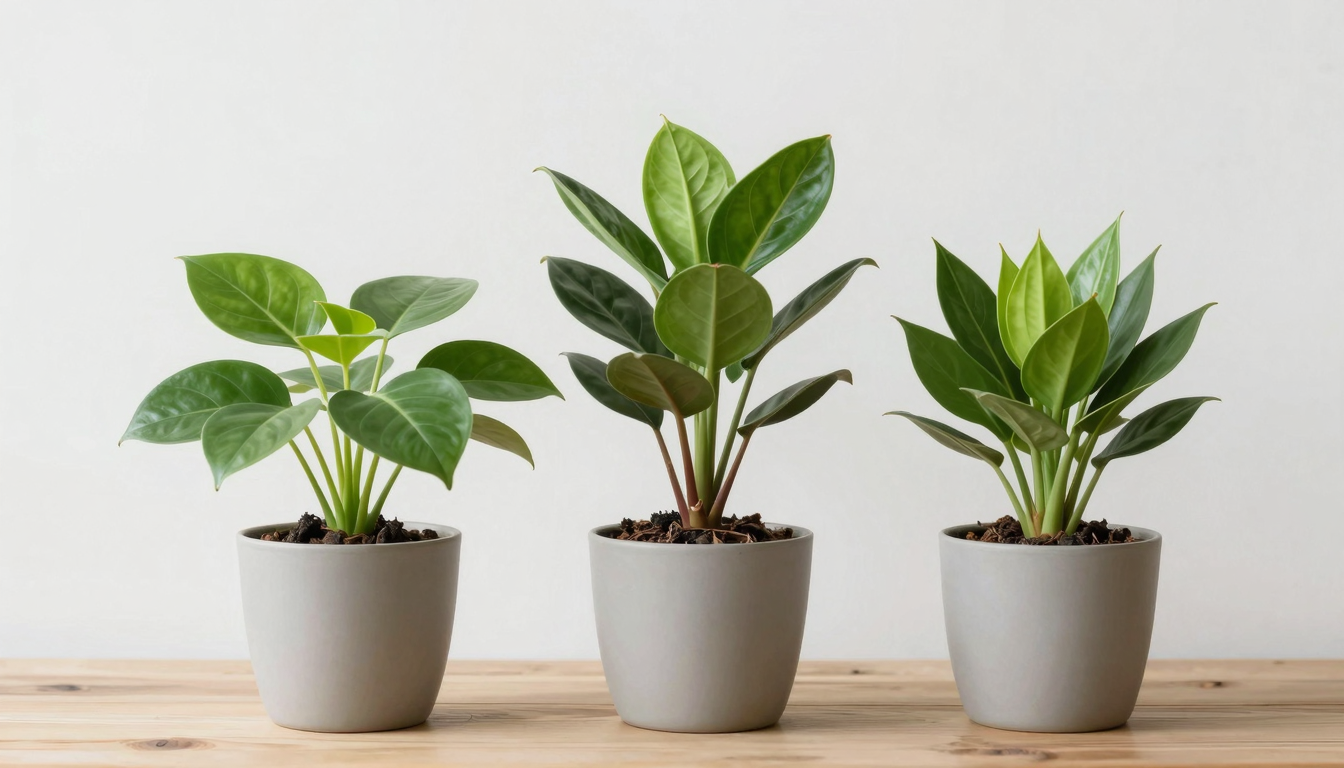
Best Budget Plants That Require Little Care: Top Picks for New Plant Owners
If you’re eager to dive into the world of houseplants but don’t want to break the bank or commit to extensive plant care, you’re in luck! Some fabulous plants are both budget-friendly and low-maintenance. These plants are perfect for beginners or those with busy lifestyles. Let’s explore the best budget plants that require little care, giving your space life without the need for green-thumb expertise!
Snake Plant
The Snake Plant, also known as Sansevieria, is an ideal choice for novice plant parents. It’s exceptionally forgiving and can tolerate various lighting conditions—from low light to bright indirect sunlight. The snake plant only requires infrequent watering, making it perfect for those who might forget to tend to their plants. Plus, its upright, sword-like leaves add a modern touch to any room.
Pothos
Pothos plants are incredibly popular for a reason! Not only are they budget-friendly, but they also thrive in different light conditions and are hearty enough to bounce back from neglect. You can water them every 1-2 weeks, depending on the humidity of your space. Their trailing vines look stunning in hanging planters or on shelves, providing a lush, green vibe.
ZZ Plant
The ZZ Plant, or Zamioculcas zamiifolia, is another resilient option. It can survive in low light and needs watering only every couple of weeks. This makes it an excellent choice for offices or rooms where natural light might be scarce. The glossy, dark green leaves add a touch of elegance and can grow into a striking statement piece in your home.
Spider Plant
Spider plants are renowned for their adaptability and ease of care. They prefer bright, indirect sunlight but will tolerate low light conditions. Watering them every week is typically sufficient. These plants often produce “baby” spiderettes, which you can propagate easily. The addition of this plant will not only enhance your home decor but also improve air quality!
Peace Lily
If you desire a flowering plant that doesn’t require much attention, the Peace Lily is a fantastic option. This lovely plant can thrive in low to moderate light and only needs to be watered when the soil dries out. You’ll appreciate its beautiful white blooms, which can brighten up any corner of your home while also purifying the air.
Cast Iron Plant
The Cast Iron Plant, or Aspidistra elatior, lives up to its name due to its durability. It’s almost indestructible and can endure neglect, low light, and poor air quality. You only need to water it sparingly, usually every 2-3 weeks, making it perfect for busy households. Plus, its lush, dark green foliage can create an inviting atmosphere.
Top Picks Summary:
- Snake Plant – Tolerates low light, infrequent watering.
- Pothos – Thrives in various light conditions, water every 1-2 weeks.
- ZZ Plant – Low light survivor, water every few weeks.
- Spider Plant – Adapts to light, requires weekly watering.
- Peace Lily – Low-light flowerer, only water when dry.
- Cast Iron Plant – Durable, water every 2-3 weeks.
Adding plants to your living space can enhance your mood and air quality. The best part? You don’t need to invest a lot or dedicate ample time to care for them. Choose from these budget-friendly, low-maintenance plants, and watch your home transform into a vibrant sanctuary. Even if you’re a new plant owner, these selections will help you succeed without the stress!
So, are you ready to start your plant journey? With these easy-care options, you’ll have a thriving indoor garden in no time. Happy planting!
How to Create a Low-Maintenance Indoor Garden
Creating a beautiful indoor garden can enhance your living space while improving air quality. However, many people shy away from gardening due to the perceived time and effort involved. Fortunately, you can create a stunning low-maintenance indoor garden that requires minimal care but still brings a splash of green into your home. Below are steps and tips to help you get started.
Select the Right Plants
Choosing the right plants is crucial for a low-maintenance indoor garden. Opt for species that thrive in various conditions and require little attention. Here’s a list of some excellent options:
- Sansevieria (Snake Plant): These hardy plants can survive in low light and require watering only when the soil is completely dry.
- Zamioculcas zamiifolia (ZZ Plant): Known for their glossy leaves, ZZ plants tolerate neglect and need little light.
- Peace Lily: These beautiful plants flourish in low light and need only occasional watering.
- Pothos: Great for beginners, pothos can grow in various conditions and need trimming only when necessary.
- Spider Plant: They thrive in a range of conditions and are very forgiving if you forget to water them occasionally.
Optimal Lighting Conditions
Understanding the lighting needs of your plants is essential. Most low-maintenance plants prefer indirect light. Position your garden near a window that receives filtered sunlight, or use grow lights if natural light is limited. The right amount of light helps your plants stay vibrant and healthy without much effort on your part.
Choose the Right Containers
The type of pots you use can greatly impact your indoor garden’s maintenance. Opt for containers with drainage holes to prevent overwatering, which can lead to root rot. Self-watering planters can be a fantastic option, as they provide moisture to the soil gradually, ensuring that your plants get the water they need without daily attention.
Soil Selection
Using the proper soil is pivotal for the growth and health of your plants. A well-draining potting mix is ideal for low-maintenance plants. Look for soil blends designed for indoor plants, as they retain moisture without becoming waterlogged. You can also mix in perlite or sand to improve drainage further.
Minimal Watering
One of the best ways to keep a low-maintenance garden is to establish a simple watering schedule. Here are some tips:
- Check the soil moisture before watering; only water if the top 1-2 inches of soil feels dry.
- Group plants with similar watering needs together to simplify your routine.
- Consider using a moisture meter to determine when your plants need water.
Regular but Simple Maintenance
While low-maintenance plants still require some care, it can be simplified:
- Dusting Leaves: Wipe down leaves with a damp cloth occasionally to keep plants looking their best and improve photosynthesis.
- Pruning: Remove any yellow or dead leaves to promote new growth and keep your garden tidy.
- Fertilizing: Apply a balanced, slow-release fertilizer every few months to provide essential nutrients.
Consider Plant Arrangement
The arrangement of plants can impact their growth and maintenance. Put shorter plants in front of taller ones to maximize light exposure. Use plant shelves or hanging planters to create a layered look, making it visually appealing while ensuring each plant receives adequate light.
Create a Watering Routine
By developing a simple watering routine, you ensure that your low-maintenance indoor garden thrives without becoming a chore. Set reminders on your phone or use a calendar to help you remember your watering days. This simple step can save you time and keep your plants healthy.
With the right approach, creating a low-maintenance indoor garden can be an easy and rewarding experience. By selecting resilient plants, establishing proper lighting, and maintaining a simple care routine, you’ll cultivate a lush indoor oasis that enhances your home without demanding too much of your time. Start your gardening journey today, and enjoy the beauty and freshness of nature indoors!
Cost-Effective Ways to Care for Your Houseplants
Caring for houseplants doesn’t have to drain your wallet. With a few cost-effective methods, you can ensure your plants thrive while keeping your expenses low. Here are some practical tips to help you take care of your leafy friends without overspending.
Choose Low-Cost Plants
Before you start caring for houseplants, consider which plants you choose to bring home. Opting for budget plants that require little care can save you money in both the short and long term. Here are some great options:
- Snake Plant: Known for its striking shape, it thrives in various light conditions and needs minimal watering.
- Pothos: This hardy vine grows quickly and remains healthy even if you forget to water it for a few weeks.
- Spider Plant: With its air-purifying qualities, the Spider Plant is forgiving and grows well in lots of different environments.
- ZZ Plant: This tough plant can withstand neglect, making it a perfect choice for beginners.
- Aloe Vera: Not only is it a low-maintenance plant, but it also has healing properties.
Use Homemade Fertilizers
Many commercial fertilizers can be pricey, but you can create your own using common kitchen scraps. Consider these easy homemade fertilizers:
- Banana Peels: Rich in potassium, they promote healthy growth. Chop the peels and bury them in the plant’s soil.
- Coffee Grounds: These provide nitrogen to your plants. Just sprinkle them on top of the soil but avoid using too much, as they can be acidic.
- Eggshells: Crushed eggshells can give calcium to your plants. Just rinse, dry, and crush them before adding to the soil.
Water Wisely
Overwatering is a common mistake that can lead to plant diseases and ultimately death. To save money and keep your plants healthy, follow these tips for watering:
- Check Soil Moisture: Always stick your finger into the soil first. If it’s dry two inches down, it’s time to water.
- Water the Right Way: Instead of watering little by little, give your plants a good soak until water drains from the bottom.
- Collect Rainwater: Rainwater is often better for plants than tap water. Set out a bucket during rainy days to collect it.
Repurpose Household Items
You don’t need to buy expensive gardening tools or pots. Instead, look around your home for items you can repurpose:
- Old Containers: An old mug, tin can, or glass jar can make a cute pot. Just ensure they have drainage holes.
- Kitchen Utensils: Use spoons or forks for digging into the soil without needing to buy garden tools.
- Water Bottles: Cut bottles can create mini greenhouses that help propagate cuttings efficiently.
Common Sense Pest Control
Pests can wreak havoc on your plants, but you don’t need expensive treatments to keep them away. Consider these simple and cost-effective strategies:
- Natural Deterrents: Ingredients like soap, vinegar, or essential oils can repel pests effectively without harming your plants.
- Keep Plants Clean: Regularly dusting your plants with a damp cloth can prevent pests and help them breathe better.
- Companion Planting: Some plants like marigolds can deter unwanted bugs when planted near your other plants.
By implementing these cost-effective strategies, you can create a nurturing environment for your houseplants without breaking the bank. With the right plants and techniques, you’ll enjoy a thriving indoor garden that enhances your home and well-being. Keep experimenting and observing your plants’ needs, and adjust your care routine as necessary! Remember, caring for houseplants can be both enjoyable and budget-friendly!
The Benefits of Choosing Hardy, Budget-Friendly Plants
Are you looking to brighten up your space without breaking the bank? Choosing hardy, budget-friendly plants is the perfect solution for those wanting a touch of green without the extra fuss. These plants not only save you money but also come with numerous benefits that make them a top choice for gardeners of all experience levels.
One of the main advantages of hardy plants is their resilience. These plants can thrive in various conditions, making them ideal for beginners or busy individuals. Whether you have a sunny spot, a shaded corner, or even less-than-perfect soil, hardy plants are adaptable and forgiving. This means less stress for you as a gardener, allowing you to enjoy the process without constant worry.
Low maintenance is another feature that makes these budget plants so appealing. Once established, many hardy plants require minimal care, watering, or feeding. You can spend less time tending to your plants and more time enjoying them. This is especially useful for those who may be new to gardening or have a hectic lifestyle. Here are some plants that fit this description:
- Snake Plant: Known for its tall, striking leaves, the snake plant thrives on neglect. It can survive in low light and only needs watering every few weeks.
- Pothos: Perfect for beginners, pothos can grow in various light conditions. It thrives in hanging baskets and requires minimal attention.
- Zamioculcas zamiifolia (ZZ Plant): This glossy-leafed beauty tolerates low light and infrequent watering, making it ideal for homes and offices alike.
- Spider Plant: Renowned for its air-purifying properties, the spider plant can withstand dry conditions and only needs occasional watering.
- Succulents: These trendy plants come in various shapes and sizes. They store water in their leaves and require little care, perfect for busy lifestyles.
Choosing budget-friendly options can also make gardening more inclusive. Many hardy plants are easy to propagate, meaning you can create new plants from cuttings. This can save you money while allowing you to share your gardening joy with friends and family. It’s a great way to create lasting memories while decorating your home. Moreover, the act of caring for plants can be therapeutic, enhancing your emotional well-being.
When you select hardy plants, you also contribute positively to your environment. Indoor plants can help improve air quality by filtering toxins and increasing humidity levels. This can lead to better health for you and your family. The soothing effect of greenery can also reduce stress and enhance focus, making hardy plants an excellent addition to your home office or study space.
Additionally, these durable plants require fewer resources. Hardy plants are typically more tolerant of various weather conditions, meaning they need less water, fertilizer, and pesticides. This is not only good for your wallet but also supports sustainable gardening practices. By choosing plants that thrive in your environment, you can promote biodiversity and help establish a more resilient ecosystem.
For those with space constraints, budget-friendly plants can be grown in small areas like balconies or window sills. Vertical gardening or using containers can maximize your space while still providing greenery in your life. This adaptability allows you to enjoy the benefits of gardening, no matter your living situation.
To wrap it up, choosing hardy, budget-friendly plants can be a rewarding decision. They offer resilience, require minimal maintenance, and can support your well-being. Plus, their ability to grow in various conditions means they’re perfect for anyone, regardless of experience. As you navigate your gardening journey, consider these hardy options to enhance your space beautifully and affordably. Embrace the joy of gardening while watching your plants flourish, bringing life to your home without a hefty price tag!
Tips for Selecting the Right Pot and Soil for Budget Plants
Choosing the right pot and soil for budget-friendly plants is essential for helping them thrive while still saving money. Whether you’re starting your gardening journey or just looking to add a few more plants to your home, understanding how to select the right pot and soil will lead to healthier plants. Here are some practical tips to guide you through this process.
Understanding the Importance of Choosing the Right Pot
Using the right pot is one of the key steps in creating a thriving environment for your plants. Here are some factors to consider:
- Size matters: Select a pot that allows sufficient room for your plant’s roots to grow. A pot that’s too small will restrict growth, while an overly large pot can hold too much moisture, which could lead to root rot.
- Material types: Common materials for pots include clay, plastic, and ceramic. Clay pots are breathable, promoting better air and moisture exchange, while plastic pots are lighter and often less expensive. Choose based on your plant’s needs and your budget.
- Drainage is key: Ensure that your pot has drainage holes at the bottom. This allows excess water to escape and prevents water-logging, which is crucial for budget plants that need minimal care.
- Placement: Think about where you plan to keep your pot. Lightweight pots are ideal for shelves or table displays, while heavier materials may be better suited for outdoor gardens or patios.
Choosing the Right Soil for Your Plants
A budget plant’s soil is just as crucial as the pot itself. The right soil can promote drainage, nutrient supply, and overall plant health. Here are some considerations for selecting soil:
- Type of soil: Look for potting mix rather than garden soil, as it’s specially formulated for container plants. Potting mixes often contain peat moss, which retains moisture without becoming waterlogged.
- Nutrient content: Choose soil that contains added fertilizers and nutrients, especially if you want your plants to thrive on a budget. This will reduce the need for frequent feeding.
- Soil structure: Ensure the soil has a loose structure that allows for good air circulation and root development. Soil that is too compact can suffocate roots and hinder growth.
- pH level: Most budget plants prefer a pH level between 6.0 to 7.0. Check the soil’s pH if you’re unsure, as some plants can be sensitive to pH levels.
Combining the Pot and Soil
Once you’ve selected the appropriate pot and soil, the next step is to combine them effectively. Follow these simple steps to ensure your budget plants get the best care:
- Start with good drainage: Before adding soil, place a layer of rocks or gravel at the bottom of the pot to enhance drainage.
- Fill the pot: Add your chosen potting mix, filling the pot to about two-thirds full. Leave space for the plant.
- Plant placement: Remove your budget plant from its original container. Gently loosen the roots if they appear tightly bound. Place it in the new pot and fill around it with more soil, ensuring the plant is level with the top of the pot.
- Water with care: After planting, give your budget plant a good drink, ensuring that the water drains out of the bottom holes.
Maintenance Tips
To keep your budget plants thriving, regular maintenance is necessary, but it doesn’t need to be time-consuming or expensive. Here are a few maintenance tips:
- Water only when needed: Allow the top inch of soil to dry before watering again. This will prevent overwatering, which is a common mistake.
- Check regularly: Monitor your plants for any signs of pests or disease and address issues early to keep costs down.
- Fertilize wisely: Use organic options like compost tea if you need a nutrient boost without the cost of chemical fertilizers.
Selecting the right pot and soil for your budget plants is integral to ensuring their health and longevity. By understanding pot sizes, materials, and potting mixes, you can create an ideal environment for your plants to thrive, all while adhering to a budget. Happy planting!
Conclusion
Creating a thriving indoor garden doesn’t have to strain your wallet or take up all your free time. With the best budget plants that require little care, you can easily cultivate an inviting green space. Choosing hardy, easy-to-care-for plants can provide not only aesthetic pleasure but also a sense of accomplishment for new plant owners. You’ve discovered top picks that can flourish with minimal effort, making them perfect companions for busy lifestyles.
Building a low-maintenance indoor garden is all about selecting the right plants and knowing how to care for them economically. By focusing on budget-friendly options, you’ll find effective strategies to minimize both time and money without sacrificing the joy of having plants in your home. Remember, simple care techniques and affordable supplies, such as the right pot and quality soil, can make a significant difference in plant health and longevity.
Taking these steps not only enhances your living space but also brings various health benefits, including improved air quality and reduced stress levels. So as you embark on your plant-parenting journey, think of the investments you make, whether it’s a lush Snake Plant or an easy-going Pothos, as a step towards enhancing your environment. Explore the world of budget plants and enjoy the beauty and tranquility they offer, all while keeping it low-maintenance and cost-effective. Your green oasis is just a few plants away!